Most “Dog-Friendly” National Parks

10 of the most dog-friendly National Parks in the US to visit with your adventure dog. Where they can go and where they can’t.

After organizing a road trip that catered to bringing our dog along, I decided to really investigate which National Parks were the most dog-friendly. We’ve visited a few and I dug into the National Park Service website to compile a list of what seemed to be the best fits for bringing fido along. Here they are.

There are a few rules that apply to all National Parks in terms of canine companions. These rules keep everyone enjoying the park, both dog families and sad individuals who don’t like dogs.

  • Dogs must be kept on leash at all times, 6 feet or less in length.
  • Clean up after your pet, do not leave bags of poo anywhere.
  • Dogs may not be left unattended both outside and inside vehicles.
  • No pets allowed in park buildings.

New River Gorge- West Virginia

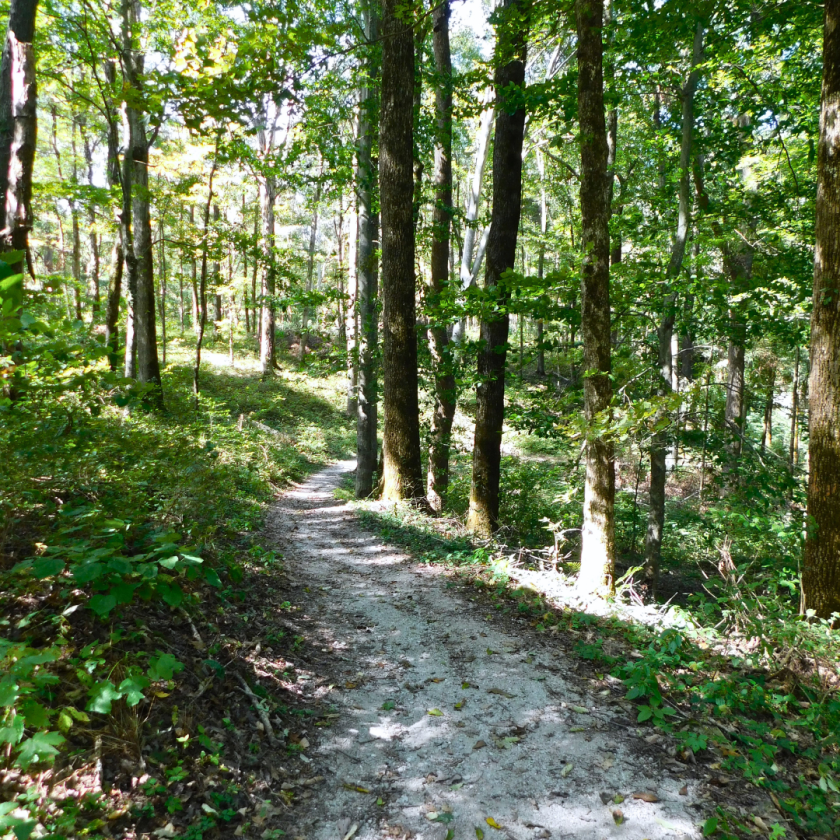
This new National Park has really embraced the ‘Adventure Dog’ with it’s dog friendly atmosphere! This small park packs a lot of adventure into it’s borders with a lot of camping and hiking options.

Allowed: All park trails (40+ miles)

Not Allowed: Park Ranger led programs

Tips: Bring extra water, natural water sources are home to parasites and bacteria. Be aware of ticks and tick safety.

White Sands- New Mexico

White Sands is not a park that most have heard of. It’s a petite park in terms of the National Parks in the United States. This park is dog friendly all the way. Dogs are allowed all over the park! Anywhere you can go, your dog can go with you.

Allowed: On all trails in the park. Check out 5 Must-do Hikes at White Sands.

Not Allowed: Backcountry camping (which is actually closed currently due to campsite rehabilitation)

Tips: Bring plenty of water for your adventure dog. The temperatures can reach unreasonable numbers in the summer months. Check out temps at different times of the year and consider visiting during a shoulder season to avoid extreme heat.

Congaree- South Carolina

Another park that loves the adventure dog! Congaree has so much adventure with over 25 miles of hiking trails and other activities, that’s a lot of exploring for a pup in one national park.

Allowed: Any trails and boardwalks

Not Allowed: Buildings, that’s it.

Tips: Consider a life jacket for your pup if they aren’t strong swimmers and you plan to canoe/kayak. Watch for ticks. South Carolina can become hot and muggy in the summer months, bring plenty of water.

Shenandoah- Virginia

Hike the 500+ miles of trails within Shenandoah National Park with your adventure dog! Limitless adventure awaits in one of Virginia’s most amazing treasures.

Allowed: All trails with the exception of 11 (listed below).

Not Allowed: There are 11 trails that must be avoided with your dog. These trails add up to less than 20 miles of trails through-out the park. A miniscule amount when compared to the rest of the 500 miles inside the park. Pets are also not allowed on Ranger-led programs.

No Dogs on These Trails:

  • Fox Hollow Trail
  • Stony Man Trail
  • Limberlost Trail
  • Post Office Junction to Old Rag Shelter
  • Old Rag Ridge Trail
  • Old Rag Saddle Trail
  • Ridge Access Trail
  • Dark Hollow Falls Trail
  • Story of the Forest Trail
  • Bearfence Mountain Trail
  • Frazier Discovery Trail

Bonus: Pet friendly lodging is available at the park. Check out their reservation site. There is a $30 per pet fee for each night.

Petrified Forest- Arizona

Step back time to admire these amazing trees that have turned to stone! Your dog will love all of the different scents from these ancient trees. Many of the trails are paved.

Allowed: Dogs are allowed on all roads, trails, overlooks, and wilderness areas.

Not Allowed: In any park buildings.

Tip: Do not leave dogs unattended in your vehicle. The temperatures in Arizona can become dangerous. Likewise, check pavement temps before allowing your dog to venture out. The hot ground can burn a dog’s pads. Bring plenty of water.

Grand Canyon- Arizona

Arizona loves dogs! The Grand Canyon is the classic American road trip destination. Being dog friendly makes it that much more appealing.

Allowed: Grand Canyon allows dogs to hike all of the trail above the rim.

Not Allowed: Dogs are not allowed inside buildings or below the rim.

Lodging/Kennel: If camping is not your style, there are dog friendly rooms available at the Yavapai Lodge. There is also day and overnight boarding available at the Grand Canyon Kennel.

Tips: Check sand and pavement temps for your dog. Pads can burn quickly and be very painful. Likewise, be aware of prickly plants such as the cactus. Check your dog’s feet regularly for any injury and bring a first aid kit.

Cuyahoga Valley- Ohio

Cuyahoga Valley is the perfect fall getaway with your adventure loving pup. Take in the fall colors and cool crisp air of the Midwest.

Allowed: Over 100 miles of hiking trails in the park.

Not Allowed: East Rim Mountain Bike Trail is a dog free zone. During the sledding season, no dogs are allowed in the Virginia Kendall Hills area.

Hot Springs- Arkansas

The trails in the park are green and beautiful! Great for exploring. In order to soak in the springs, one must use a bathhouse. So Fido won’t be participating in any spa days (good news to your dog!). There are still plenty of other areas to explore, including spaces in the park to observe outdoor springs.

Allowed: Dogs are allowed on all 26 miles of trails in the park and inside the Superior Bathhouse restaurant and brewery.

Not Allowed: While dogs are welcomed into the restaurant, they are not welcome in the park building such as the visitor’s center and bathhouses.

Acadia- Maine

This is a rugged national park. Maine is gorgeous and her trails are spectacularly wild. Being one of the top visited National Parks, it’s a surprise that Acadia is so dog friendly!

Allowed: 100 miles of trails and 45 miles of carriage road are ready and available for your dog’s exploration. Most campgrounds also allow dogs.

Not Allowed: Any water areas, Sand Beach/Echo Lake most of the year, Ranger-led programs, Wild Gardens, Duck Harbor Campground are not open to dogs.

No Dogs on These Trails:

  • Precipice
  • Beehive
  • Ladder Trail to Dorr Mountain
  • Beach Cliffs Trail
  • Perpendicular Trail
  • A section of Jordan Cliffs Trail

Tips: Research trails beforehand and only select trails that you are confident that your dog can handle. Take into consideration the length and terrain of the trail vs your dog’s endurance level and the conditioning of their pads.

Mammoth Cave- Kentucky

Dogs are very welcome topside at Mammoth Cave. Take your dog all around the surface of this jungle of a park. The park has no shortage of hiking trails and boardwalks.

Allowed: Dogs are allowed on the surface trails all over the park and in campgrounds. There are a few dog friendly accommodations available in the park.

Not Allowed: No dogs may enter the caves at the park.

Lodging/Kennel: When in Mammoth Cave, one cannot skip a cave tour! There are limited spaces available for kenneling your dog. There are no overnight boarding kennels, but a day use kennel is available. More information can be found at the Mammoth Cave Lodge website.

5 Must-do Hikes at White Sands National Park, New Mexico

Mix up your hiking environment with this wildly unique National Park. It truly is one of a kind and has the most unique views we’ve scene in a National Park, so far.

Mix up your hiking environment with this wildly unique National Park. It truly is one of a kind and has the most unique views we’ve scene in a National Park, so far.

White Sands as far as the eye can see…. but where’s the beach? The sands may look like it’s a beautiful ocean beach, but the sea that once rested here is long gone! While gypsum is common, this desert environment is the largest deposit of gypsum in the world. This little park was granted National Park status in 2019. Prior to this upgrade, White Sands was a national monument.

Fees: $15 per person or $25 per vehicle load

When to Visit: This park is sunny most of the year, and that sun brings the heat. Summer months average temperatures in the upper 90’s. The shoulder seasons are cooler. Spring offers lower temperatures. While the fall months also have lower temperatures, it is the rainy season.

I’ll tell you when not to go; March. While the shoulder months at White Sands are desirable due to the more mild temperatures, the wind in March is unheard of. A park ranger informed us that it is the windiest month of the year. I recommend a visit in shoulder seasons, but avoid March.

Closure Warning: White Sands is surrounded by an Army mistle testing field. The park will close during testing times. Be sure to check here on the National Park website for up to date closures prior to your visit.

Trails

The trails at White Sands range from a short jaunt to a 5 mile hike. All featuring unique scenes not seen anywhere else. This park is so different from anything we’ve experienced before.

Playa Trail

Distance: .5 miles total
Type: Out & Back
Duration: 25-35 minutes
Trail Marker Color: Green
Dog Friendly: Yes, on leash.

This short trail is a little pull off to the right on the main park road. It’s well worth the stop to check out the interpretive signs and learn about the critters that were here long ago and now.

The dried flat holds more wildlife than you’d expect. Anytime you visit this little trail, it will be different than the last. This everchanging ecosystem may be completely dried out or drenched and teeming with life. Watch for animal homes, scat and tracks along the trail. There is so much to discover in such a short distance.

Dune Life Nature Trail

Distance: 1 mile
Type: Needle Loop
Duration: 45 min.- 1 hour
Marker Color: Blue
Dog Friendly: Yes, on leash.

This is the first glimpse hikers receive of the sand dunes, and it’s so cool! The hike begins with a short jaunt through shrubbery, then an incline of sand. Once at the top of this sand dune climb, it’s like stepping into another landscape altogether. Everywhere your turn, there is sand. It feels so unreal!

The hike follows the blue markers, a few of them had been blown over, but were visible from a distance. Keep an eye out for tracks. We spotted tracks from a kangaroo rat and kit fox. It was very neat! The tiny tracks in the sand don’t last long in the wind, so if you see tracks, they are likely fresh.

Interdune Boardwalk

Distance: .4 miles
Type: Out & Back, Metal Boardwalk
Duration: 20 minutes
Dog Friendly: Yes, on leash. There are areas to pass.

The boardwalk is a gentle walk down a metal pathway. The canopy covered seating area has fun facts and information about animals, their tracks, and their adaptations. A great informative and interactive spot for kids to learn about the critters hiding throughout White Sands.

**Check boardwalk temp before allowing your dog to walk on it. The heat of the sun may cause the metal to become too hot for dog paws.

Sunset Stroll

Distance: .5 miles
Type: Guided
Duration: 45 min- 1 hour
Dog Friendly: Yes, as long as they are well behaved, on leash, and do not hinder the program.

Sign up is not required for a sunset stroll, a one of a kind experience and photography opportunity. This is a guided hike at sundown, perfect for those looking for a quiet experience and a great chance at some unique photos.

Program start time vary during the year in accordance with sunset. They can be found on the NPS website, here.

Alkali Flat Trail

Distance: 5 miles
Type: Loop
Duration: 3-5 hours
Marker Color: Red
Dog Friendly: Yes, on leash. Please practice dog trail etiquette. On this trail we saw the most loose dogs and the most feces left behind.

Whether you want to hike the full 5 miles or not, this is an absolute must for anyone visiting White Sands. The trail is the epitome of dune hikes. The trail winds through dune after dune around the moisture deprived landscape.

We visited while accompanied by a senior dog, we did not hike the full 5 miles. That was okay because we found a protected locations on the downslope of a huge dune. The kids were able to play in the shelter of the dune while our senior rested and watched her kids play.

Trail Safety

Hiking in the desert is not the same as hiking in the woods. We learned that on our road trip to New Mexico and Arizona. We are at home in the woods, but we heeded the warnings of the park rangers and the signs at the beginning of the trails in this “new to us” environment.

Markers

Trail Markers are used on all trails at White Sands. This is very important as the wind blows away any evidence of past travelers rather quickly. Meaning, hikers cannot rely on foot prints to retrace their steps. Likewise, the environment looks very similar in all directions with limited landmarks to guide the trail. It’s easy to get turned around. If you cannot see the next trail marker, turn back.

Water

Bringing plenty of water, especially in the warmer months, it vital for keeping hydrated. At the beginning of the longer trails, Dune Life and Alkali Flat, a display is present to show the amount of water per person that is recommended to carry for the duration of the hike. In addition to carrying water on trail, we also like to have a 5 gallon jug of water in our vehicle with a battery operated spout. It’s amazing to have on road trips.

Likewise, be sure to carry enough water and a bowl for your dog should you bring them along. It is vital to bring water for you pup, too. They should not be expected to wait until they return to the vehicle to get a drink, heat exhaustion and dehydration are killers.

South Dakota Road Trip- Wild West of the Midwest

Take a journey to the Wild West of the Midwest! The western edge of South Dakota hosts wild adventure around every bend in the road. From cave tours and bison to waterslides and monuments, this western region of South Dakota is an adventure worth having.

Take a journey to the Wild West of the Midwest! The western edge of South Dakota hosts wild adventure around every bend in the road. From cave tours and bison to waterslides and monuments, this western region of South Dakota is an adventure worth having.

When: September, in my opinion, is the best time of year to head to the wild west of the Midwest. The crowds have thinned, the temperatures have cooled, and the bugs are less prevalent.

WaTiki Waterpark

The WaTiki Waterpark, located right off Interstate 90, is a hit! It’s a great spot to kick back, relax, and enjoy some waterslides or chill in the hot tub. We used this waterpark as a break from outdoor, camping activities. The kids had a blast! Stay and play or stop in for a few hours of fun. This park offers both. There are 5 hotels associated with the waterpark to choose from.

When: Anytime! This waterpark is indoors, which allows visitors year-round access to wild waterslides, hot tubs, waterfilled playgrounds and a bonus arcade.

Dinosaur Park

A must if you’re traveling with kids! Especially with kids who love dinosaurs. Hit this spot early, but not too early. We decided to get to this park before it was crawling with munchkins. Unfortunately, we arrived a little too early. While we were able to roam about with the dinosaurs, we did have to wait for a while to enter the gift shop, which is filled with really unique souvenirs. The hours are posted below and can be found on their Facebook Page.

We had great fun checking out these replicated prehistoric beasts. Our 3 year old at the time was obsessed with them, he was amazed. Your dino lovers will be, too!

Location: 940 Skyline Dr. Rapid City, SD 57701
Hours: Open May-September, (May-9am-5pm, Jun/July 8am-8pm, Aug. 8am-6pm, Sept. 9am-5pm)
Fee: Free

Custer State park

Custer State Park is one of the best adventure spots in all of South Dakota. This park has amazing wildlife viewing, geological formations, forests, prairie, scenic drives and hiking trails. One could spend an entire South Dakota vacation right in this park. For more on Custer State Park go to Custer State Parks Must See Destinations.

Sylvan Lake is a small section of park on the north side of Custer. This section must not be overlooked. We found it to be the most enticing location in the park. The short trail around the lake spurs off onto other adventures and has insane rock formations all around the lake. For a longer stay at Sylvan Lake, try Camping at Sylvan Lake. We will absolutely be returning to Sylvan Lake to camp again, the tent only campsites offer more privacy than most campgrounds and the foggy mornings are one of a kind.

Location: Custer, SD
Hours: Park is open 24/7, Visitor’s Center hours vary
Fees: 7 day license $20, can be purchased at a visitor’s center or online.

Note: If your are passing through Custer State Park on the highway, without stopping, you do not need a visitor’s pass.

Purple Pie Place: This little shop serves the best strawberry rhubarb pie that I have ever had. They are located in the little town of Custer on the south side of Custer State Park. Bonus: Take a photo with the purple pig!

PPP Location: 19 Mt. Rushmore Rd, Custer, SD 55730

The Needles

While near Sylvan Lake in Custer State Park, you can’t miss driving through the Needles Highway. Really, you can’t miss it, it’s part of the road. These towering rock formations are out of this world. It’s so neat to wonder how they were formed and how they’re still standing. These eroded pillars are spectacular.

Be watchful of signage through-out the route, there are narrow passages that may be too tight for campers and oversized vehicles. One tunnel is a one vehicle tight squeeze. What a blast!

Mount Rushmore

An iconic stop in a classic South Dakota road trip. This monument is a must see at least once in your life. The carvings are impressive, did you know that they are actually incomplete? The model inside the Sculptor’s Studio at the monument shows what the final product was supposed to look like.

Location: 13000 Highway 244, Keystone, SD 57751
Hours: March-Sept 5am-11pm, Oct-March 7am-9pm
Fees: Free, but there is a $10 parking fee.

Things to See & Do:

  • Walk the Avenue of Flags
  • Hike: Presidential Trail (.6 miles), Nature Trail (.25 miles), & Blackberry Trail (2 miles)
  • Visit Lincoln Borglum Visitor’s Center
  • Visit Sculptor’s Studio

Crazy Horse

After marveling at the famous Mount Rushmore, swing over to see a creation in progress at the Crazy Horse Memorial. This impressive spectacle towers over the expanse below and watches over the history and culture preserved within the walls of the visitor’s center and museum.

Location: 12151 Avenue of the Chiefs, Crazy Horse, SD 57730
Hours: Oct-May Hours vary, May-Sept 8am-8pm
Fees: $7-$35, depending on passengers per vehicle

Things to See & D0:

  • Take a Bus or Van tour (Bus to mountain base $5, van to the top $125)
  • Visit the museums
  • View Cultural Performance (schedule varies)
  • Dine at the Laughing Water Restaurant

Wind Cave National Park

Trek below ground on a cave tour at Wind Cave National Park. It’s not just the caves that draw visitors here, check out the trails above ground that are home to bison, prairie dogs, the illusive black footed ferret and many more prairie animals. Hike Rankin Ridge to see the highest point in the park and see for miles at it’s summit.

Things to See & Do

  • Tour a Cave
  • Hike Rankin Ridge
  • Observe Bison, Prairie Dogs, & other wildlife
  • Explore the Visitor’s Center and learn about the habitat
  • Camp at Elk Mountain Campground

Badlands National Park

Another iconic stop on a South Dakota road trip, the Badlands! Stop for an hour or two or spend the entire day, both will offer visitors vast views of these incredible vistas. This park demands a revisit as we only spent a few hours in the fading sun. That was all we needed to fall in love with this wild, unforgiving landscape.

Things to See & Do:

  • Drive Sage Creek Rim or Badlands Loop
  • Admire the numerous Overlooks
  • Notch Trail (1.5 miles, strenuous)
  • Door Trail (.75 miles), Cliff Shelf (.5 miles), Fossil Exhibit Trail (.25 miles)
  • Watch the Sunset
  • View the night sky at Cedar Creek Amphitheater

Get out to South Dakota and enjoy the diverse environments of the Midwest Wild West.

Hike to Winnewissa Falls at Pipestone National Monument

One of the most beautiful hikes in southern Minnesota. This short hike will take you along a whimsical path through history, waterfalls, prairies, and quarries.

One of the best hikes in southwestern Minnesota is just under a mile long, it covers vast prairie views, towering quartzite cliffs, waterfalls, river, Native American culture and history.

Distance: 3/4 mile
Level: Easy
Dog Friendly: Yes
Time to go: Anytime of year, the trail becomes a snowshoe trail after Jan. 1st (if there is snow)
Fees: Free

Location: Just north of Pipestone, MN
Address: 36 Reservation Ave, Pipestone, MN 56164

Trail Head

The trail begins on the east side of the visitors center. Immediately, there is an old quarry. Hikers can enter the small quarry, it’s a neat feature to kick off the hike. 

Prairie

The trail begins with views of prairie. The wildflowers and prairie grasses attract all kinds of wildlife. Watch for critters along the way, butterflies in particular during the summer months.

Quartzite Cliffs

The cliffs jut out of the prairie dramatically carving the way to the waterfall, the cliffs seem out of place at first and an amazing sight to see in the midst of the fields. It’s really neat how the trail winds along the edge.

The Oracle & Stone Face

A short, yet steep set of steps lead to an overlook set atop the cliffs to the right of the trail. Immediately to the left at the top of the steps is a stone the resembles a face. It is the Oracle. There is no trail along the top of the cliffs, the purpose of the climb is simply to see this sacred spot.

A bit farther down the path, there is another face in the rocks. “Old Stone Face” can be seen from the trail when turning to look back after the falls.

Winnewissa Falls

A wonderous waterfall! Pipestone Creek spills over the rocky edge and fills the pool below. This is one of the most beautiful locations in the park. Snap a photo or two, then put the camera/phone away and enjoy the majestic beauty of the falls. There is a bridge leading over the pool below the falls and a small path leading up to an overlook. Watch your step if you choose to go up, it’s steep.

Lake Hiawatha

The second section of falls is near Lake Hiawatha. It is a small falls, dropping just a few feet. The path leads right next to the falls for a great view. Keep an eye out for wildlife around the falls and lake, we spotted a snapping turtle making it’s way along the creek.

Warning: Do not swim in Lake Hiawatha, it is contaminated and is not safe to swim or drink. This includes for dogs, too. Don’t let your dogs enter the water or drink from the lake.

Traditions

Take time to notice the traditions of the native culture. Along the path, there are bits of cloth and herbs in small pouches tied to trees. It gives and ancient, yet earie feel to the trail.

Visitor Center

Hours: Daily 8:30am-4:30pm (Tues-Sat from November-March)

The trail ends back at the visitor center. Inside is bursting with Native American culture, artifacts, pictographs, history and a gift shop. While we were visiting on a July weekend, there were demonstrations going on inside the visitors center. They were quite neat, a women was making crafts and answering questions about the methods and purpose of the various items she was creating.

Note: Dogs are not allowed inside the visitor center.

Sweet Treats

Stop in at the Dari King (yes, you read that correctly). The Dari King offers many options for a quick treat after a day at Pipestone National Monument.

Nearby Adventures

For more hiking, camping and outdoor adventures in the southwestern Minnesota area check out Blue Mounds State Park and Split Rock Creek State Park.

September North & South Dakota 4 Day Road Trip Itinerary

A 4 day itinerary from North Dakota to South Dakota filled with National Parks and outdoor adventure.

In September of 2022, we hit the road on a birthday trip for our kids. We had a goal of hitting at least two National Parks on our road trip to North and South Dakota. It was going to be tight, but Sandy (11), Killian(2), Scott and I were on a mission to get it done.

Why September?

We chose late September for a few reasons. First, it’s right between our kids’ birthdays, so it’s a dual birthday trip. Second, the summer crowds are winding down, parks are more enjoyable with fewer people. Third, the elk rut would be starting, increasing our chance of elk activity. Finally, the temperatures would be reasonable. I do love all of the summer activities that the Midwest offers, but I am a cold weather person. Camping and travel is most enjoyable without the salty sweat brought on by intense temperatures.

Day 1

The Pathfinder fully loaded with camping gear, we hit the road from our small Minnesota town on a Thursday morning in late September. We were in Fargo by noon. It’s amazing to see how the landscape changes from central Minnesota to Fargo, North Dakota. The hills flatten, trees become more sparse, and the distance that can be seen grows.

Worlds largest bison

It’s about an eight hour drive from our home to Theodore Roosevelt National Park. A great pitstop along the way is at the “World’s Largest Buffalo Monument” in Jamestown, ND. The perfect place to stretch legs and learn a bit more about bison. This attraction is conveniently located just off of interstate 94. There are several restaurants and gas stations to choose from, refuel the vehicle and the kids.

First Destination: Theodore Roosevelt National Park

Our arrival at Theodore Roosevelt National Park was just before dark. As we entered the park, a lone bison roamed the hillside. It was quite a welcome and great first impression of the park. The Cottonwood Campground was a short drive into the park on the left hand side of the road.

The campground has a simple loop drive and finding our site was a snap. After setting up our tent and making sure our site was set for the evening, we headed back to Medora in search of firewood. We found some at a local gas station/convenience store.

Night one was a s’mores night. Camping isn’t complete without the sweet smell of burning sugar. After a game of cards and a story from Sandy out of her new National Parks book, it was lights out for rest before a busy day.

Day 2

Sunrise

Be warned; that sunrise will make your heart skip a beat. It’s just stunning the way it sneaks up the ridge and shines down on the valley in which the campground is situated. An amazing start to the day and the perfect setting to get a scrumptious breakfast of hot cocoa and country omelet sausages going.

Morning Wildlife on the Scenic Drive

If you’re goal is to see wildlife at TRNP, morning is your best bet. We witnessed the most activity during the early hours. Wild horses and bison littered the scenic drive. It’s amazing how undisturbed these creature are by the presence of visitor vehicles. The road was under construction while we were visiting, so we weren’t able to see the entire park, but we did see a great deal of it. I guess that means, we get to go back.

Hiking & Overlooks

There are numerous hiking trails, both long and short, that begin at different locations on the scenic drive. We stuck to shorter trails and overlooks. With our little hikers along, it was best to have frequent stops with shorter distance and more free exploring. These Short Hikes and Overlooks in Theodore Roosevelt National Park were the best.

North Unit Exploration

After we cruised the portions of the South Unit scenic drive that we could, we headed to the North Unit. It’s an hour drive along 85. Most visitors to TRNP stick to the South Unit. We wanted to see more than just the South, I would absolutely say that it was worth the drive to the North Unit. There we were able to see a more rugged landscape and more geological features that are missing in the South Unit. One of the kids’ favorite spots in the park was at the North Unit, the Cannonball Concretions. More details on it here.

Dinner & Tenting

After we explored the day away in both the South and North units, we found a great place for dinner. The Little Missouri Saloon and Dining Room has amazing food. We devoured our elk burger and bison steaks with a ravenous appetite. I highly recommend this restaurant for anyone visiting Medora. The ground floor has a saloon/bar and grill feel to it while the dining area on the upper floor hosts a more family friendly atmosphere. For fine weather dining, the balcony is also an option.

On night 2 of our stay in TRNP, the elk graced our ears with their calls. It was so majestic and peaceful. The best part, we were listening to them sound after the kids fell asleep. It was accompanied by an owl’s hoot. One of the best outdoor evening experiences so far. Our experience Tenting in TRNP was one for the books, a great first step into camping at National Parks.

Day 3

TRNP Visitor’s Center & Teddy’s Cabin

This is a stop that can’t be missed. We started our morning out by eating a quick breakfast, packing up camp and heading to the Visitor’s Center at the Park Entrance. Inside, there is a film that plays with great information on our incredible conservationist president, Theodore Roosevelt (my favorite president). There are a number of Native American artifacts, Teddy relics, and animal remains to learn about in the center. The greatest part of this area is Teddy’s cabin, the Maltese Cross Cabin, which has been relocated to the backyard of the Visitor’s Center.

It was inspiring to stand where he stood, see what he saw and know that this land is what drove him to protect much of America’s wild lands. He will always be my favorite president for the work he did for our natural world.

Medora

Medora is a petite town sitting at the entrance to TRNP South Unit with gift shops, steakhouses and cafes. For breakfast, we stopped in at the Cowboy Café. This was not a fancy joint by any means, but a very homey, welcoming homestyle café with classic American style breakfast.

So many little shops sit in Medora, some had closed for the season already. We were prepared for that being that our stay was late in the season. Even so, we had plenty to see and do for a morning. Sandy and Killian were most intrigued by the multiple candy stores, a fun stop! The kids were able to find a couple of souvenirs at the shops. The Visitor’s Center at the NP had a few items, but the Medora shops had a plethora of knickknacks to choose from.

Dakota Steakhouse

With our Teddy Roosevelt and Medora adventure wrapped up, it was time to hit the road again for our next stop; Rapid City, South Dakota. The four hour drive to Rapid City seemed like a piece of cake after the 9 hours from home to Medora. To pass the time, Killian napped and Sandy wrote a post card to a friend back home.

During our drive, Killian suddenly needed to potty, NOW. We were near a little town and were trying to find a place to have him potty. Ultimately, we pulled over and he peed in the grass by a baseball field. A parent has to do what a parent has to do.

When we finally reached Rapid City, it was time for a refuel. Refueling people that is. We had a restaurant in mind that was due for a revisit, we enjoyed it so much the last time were in Rapid City. Dakota Steakhouse. The bison steak is one of the best steaks that I have had, ever. Even the kids menu items are fantastic. Sandy ordered grilled cheese and it came out looking like a gourmet meal. The Dakota Steakhouse has landed itself a permanent spot on our list places to dine when we’re in the area.

Rapid City Water Park

Of course, a birthday trip for Sandy must include a water feature. She is basically a fish. We had a one night stay at the Watiki Waterpark. The kids had a blast running around this aquatic playground. After hours of soaking fun, we cleaned up and got into jammies. That didn’t mean bedtime just yet. We went to the arcade on the second level overlooking the water park and played games late at night, jammies and all. Killian loved playing the pirate ship game and driving a little car.

After two nights of camping, it was refreshing to be clean and in an actual bed. The kids slept hard after all of their adventures. It was a night of much needed rest. They were going to need it for their next day of exploration.

Day 4

We packed a lot into our final day in the Dakotas. It was our last push to get as much adventure in as we could!

Dino Park

Early in the morning, we set out to find the Dino Park. It was in an unexpected area and when we arrived the gift shop wasn’t quite open yet. We walked up the steep path and steps to the dinosaurs. Killian had an obsession with the prehistoric beasts at the time and was amazed by their size. He and Sandy crawled around on their tails and feet. They had a great time. The statues are a bit dated and need some love, but this was a fun attraction for the little guy. We headed to the gift shop for some South Dakota souvenirs and Killian rode the miniature ride at the front door. It was still somewhat functional.

Wind Cave National Park

With the Dino Park excursion out of the way, it was time to head south to Wind Cave National Park. Cruising down Hwy 79, we passed exits for Mount Rushmore and Custer. Both amazing stops if you haven’t been. Though Custer is absolutely a must if you haven’t been. Custer is more than just a stop, you’ll need a good chunk of time or a night for camping.

The drive into Wind Cave is so neat. Right off the bat, we drove up to a prairie dog village, they were chatty and entertaining as they scurried about. After taking time to enjoy them, it was off to the visitor’s center. We checked in for our cave tour and still have time to kill, so we went off for a hike on Rankin Ridge. I highly recommend this hike that takes visitors to the highest point in the park. There are numerous other stops along the way.

One cannot visit Wind Cave without a cave tour. We went on the Garden of Eden tour, this was the perfect duration and distance for a 2 and 11 year old. There are stairs, guard rails and lights throughout. Sandy thought this was a pretty neat experience. More on things to do at Wind Cave here.

Backroad Adventure to Nowhere

After our adventure in Wind Cave, the plan was to make our way home with a pitstop at Badlands National Park. It was my turn to drive and I punched in Badlands into the trusty GPS to get me there. DON’T DO THAT! Check your route before you take off. I thought that the GPS was taking me onto the main roads and we’d pull off of Interstate 90 at the main entrance of the park. Nope!

We followed the GPS onto a turn that seemed a bit too early but we were in an unfamiliar area so we went with it. At first I was thinking that maybe it had found a shorter route, no. No, it did not. When the roads turned to gravel is when we knew we should have turned back. It was too late, we had already gone too far. So the dirt road is what we followed. We saw a total of 2 trucks in about 2 hours.

The fuel tank was running low, very low. The concern was starting to run high, and there was no cell service. After a time, about when we were on E, we happened upon a ghost town with a functional fuel pump. It took a few tries to get the card reader to work, we were able to get it to work and added a few gallons. The shack next to the pump was closed. There was a handful of other buildings scattered about, they looked like they were all about 100 years old and on their last legs.

While I was filling the tank we noticed some scurrying nearby. It was cats. There were NO people in sight, just cats. They didn’t come close, but watched us. Scott and Sandy decided to toss some left over chicken strips to them. The cats snatched up the scraps and took off. This was the most bizarre “town” I have ever encountered. An experience for sure.

Oh my goodness. We made it! We ended up at the White River Ranger Station, this is NOT the entrance you want. We had to drive a long way yet before we got to the other side of the park, which was our original goal. And the White River Ranger Station was closed upon our arrival.

If using a GPS, make sure the route goes along the I-90, otherwise you’ll be in for a wild, dirt road ride. We should have entered in the Pinnacles Entrance Station or the Northwest Entrance Station, not the White River Ranger Station.

Badlands Pitstop

Killian had fallen asleep, so Sandy and I explored a bit while Scott waited with the napper. After he woke up, we explored all together. We didn’t have much time before dark, but we did have some time to explore some of the park. It was beautiful! The pastel skies and vast landscapes are immaculate! Photos don’t do it justice, it must be seen with your own eyes.

Going Home

As the sun set and it was time to load up, we said goodbye to the Badlands. On the road once more, we drove until we were tired and found a hotel when we wanted to stop. We call this method “Motel 6ing It.” We don’t usually stay at a Motel 6 but that’s how the original method started.

Every place we visited (except the backroads of South Dakota) is worth another visit. Every place we saw was beautiful and grand. I would do this trip all over again if given the chance. On small change… don’t trust the GPS on South Dakota backroads.

Dogs at Mammoth Cave National Park

Dogs love adventures, too! Mammoth Cave National Park is one of the few National Parks that are dog Friendly. Take advantage of this opportunity to adventure with your dogs and visit Mammoth Cave. Know where to go and what you can do at Mammoth Cave with your pup.

**This post does not pertain to service animals.

Climate Considerations

Being a southern state, Kentucky has some higher temperatures during the summer months. Check the forecast before your excursion to ensure that you are prepared for both yourself and your adventure dog. Even in late September, when temperatures are dropping in my home state of Minnesota, the temperatures in Kentucky were in the upper 70’s and 80’s.

Water: Keep water available for your adventure dog while at camp. Offer it frequently while out hiking to keep that pup hydrated. Be sure that your pup is drinking clean water. Reduce the risk of parasites by keeping your dog from drinking river water.

If the heat is excessive, try these short trails with your pup. See Short Hikes at Mammoth Cave.

Hikes

All of Mammoth Cave’s above ground hiking trails are open to dogs. That’s pretty amazing considering most National Parks do not allow dogs. Keep Mammoth Cave NP dog friendly by following basic Trail Etiquette for Adventure Dogs.

Horse Trails: Mammoth Cave has many trails that are horse friendly. When encountering a horse on trail, step aside and keep you dogs calm as the riders pass.

Bag It: Clean up after your pet immediately and dispose of waste in a trash can asap. There are many throughout the park. Don’t leave the bagged waste on the side of the trail to pick up on your return. The presence of a bagged poo will tamper someone else’s trail experience.

Caves

Dogs are not allowed in the cave systems. They may cause damage to the cave and there are areas that dogs simply wouldn’t appreciate in the caves, such as grates, slick areas, and tight dark spaces.

For other caving options one might give Hidden River Cave a try.

Ticks

Kentucky has a large number of ticks. It’s a good idea to visit your veterinarian before your excursion to Mammoth Cave to evaluation which tick prevention is right for your dog. See Tips for Ticks: Adventure Dog Safety for more info on tick prevention. Remember to visibly check yourself and you dog frequently during and after a hike in the woods.

Kentucky Ticks:

  • Lone Star Tick
  • American Dog Tick
  • Black Legged Tick (deer tick)

Wildlife

Wildlife is abundant in Mammoth Cave National Park. A scurrying squirrel or bounding deer is pretty enticing for our canine companions. Keep you pup on leash and do you best to keep them from barking at and disturbing wildlife.

Wildlife in Mammoth Cave:

  • Black Bear
  • Deer
  • Turtles
  • Squirrels
  • Turkey
  • Bats
  • Coyote
  • Frogs & Salamanders
  • Venomous Snakes

Tip: Keep treats handy in a treat pouch to distract dogs from wildlife. Offering a treat for a successful “Leave It” cue or simply diverting their attention away with a lure is effective in keeping that prey drive in check.

Venomous Snakes: Mammoth Cave is home to the Timber Rattlesnake and the Eastern Copperhead. Keeping dogs on leash will help keep them from stumbling upon or disturbing animals that may cause them harm. Teaching a strong “Leave It” command is important for adventure dogs in any environment.

The snake above is a non-venomous water snake slinking around Sloan’s Pond.

Buildings

While dogs are allowed on park trails and in campgrounds, dogs are not allowed in any park buildings. The visitor’s center is a really neat spot in the park to visit, but you may have to take turns venturing inside while one person waits outside with the pup. Alternatively, there is short-term boarding available.

Lodging

Adventure dogs are welcome in all of the campgrounds, backcountry camping, and at the Woodland Cottages. The Woodland Cottages are the only lodging accommodations in the park that allow dogs. They are not allowed in the Sunset Terrace rooms or the Historic Cottages.

Boarding

The Lodge at Mammoth Cave offers a small boarding kennel for hourly use. The kennel spaces are outdoors with some shade. The fencing is chain link. These kennels are a nice option for those wishing to attend a cave tour, where dogs are not allowed.

Be Aware: This is NOT an overnight boarding area. This is a day use kennel rented by the hour, only during daylight hours.

Rates: $3.50 First hour, +$1 per hour after

What to bring:

  • Water Dish (spigot nearby)
  • Toy/Chews
  • Lock (limited locks available for rent)
  • Collar with Tags (Dogs should always have identification on them)
  • Vaccination Records Required (Rabies, Bordetella, DAP Shots)

Do not leave your dog unattended inside or out at the park. Do not leave dogs in you vehicle.

Mammoth Cave Short Hikes, Kentucky

These short hikes offer great views of Mammoth Cave while catering to the hiker with the shortest legs. Hiking with junior adventurers can be a lot of fun, but the distance can get to them, especially when they’ve been losing sleep and are out of routine. Shorter hikes can help ease the pressure on them and still have a great time in the woods.

If you’re struggling to keep a little hiker engaged, check out 7 Fun Hiking Games to Keep Kids Engaged on the Trail.

We hit Mammoth Cave in late September of 2023, it was still hot! We Minnesota hikers don’t do so well in the heat, our northern blood is too thick for the southern heat. We chose some of the shorter hikes in Mammoth Cave to adventure on. We also had to take into consideration that our son, Killian (3), broke his foot over the summer. It hardly slowed him down! The boot came off the week of our trip, we wanted to be careful not to put too much strain on the recovering foot.

Sand Cave Trail

Distance: .3 miles one way (out and back trail)

Level: Easy, boardwalk

Dog Friendly: Yes, on leash

Fees: No Entrance Fee

This is possibly the shortest trail in the park. It’s all boardwalk and has a unique trail ending. At the end of this mini-hike, there is a cave entrance. This cave entrance has a bit of dark history.

History Story from our Tour Guide: Cave explorer, Floyd Collins, entered this cave and managed to get a distance inside. The area was tight, he accidentally kicked the wrong spot causing a cave in, trapping himself in the cave.

Fortunately, he had a habit of leaving his coat hanging on a tree branch near cave entrances, family knew where to start looking. He was located, still alive, but the extraction process proved quite difficult as rescuers couldn’t risk any further damage to the cave. It might crush Floyd. They were able to talk with him and send down food and water.

Unfortunately, after 14 days, Floyd succumbed to the elements and passed away in the cave. They recovered his body shortly after. The rescue mission gained much media attention, paving the way for Mammoth Cave to finally be declared a National Park.

Sloan’s Crossing Pond

Distance: .4 mile loop

Level: Easy, boardwalk

Dog Friendly: Yes, on leash

Fees: No Entrance Fee

Sloan’s Crossing Pond is the perfect trail for hikers who love amphibians and reptiles. The snapping turtles and snakes were very entertaining here and abundant. We spent a decent amount of time observing the wildlife here with the kids. It’s pretty obvious the visitors have fed the turtles, please don’t, it’s not good for them. We also heard a lot of frogs singing and birds chirping. Such a neat place for the kids to explore.

Doyel Valley Overlook

Distance: 0 miles

Level: Easy

Dog Friendly: Yes, on leash

Fees: No Entrance Fee

This overlook is about 2 miles south of the visitor’s center on Mammoth Cave Parkway. The overlook is right at the parking area, no hiking necessary. This site has two informational signs, a rock wall and wooden fence, trash/recycling bins, and a picnic table. We found it to be the perfect location to whip up some BLTs and have a picnic lunch with a view.

Turnhole Bend Nature Trail

Distance: .5 miles, Loop

Level: Easy

Dog Friendly: Yes, on leash

Fees: No Entrance Fee

This peaceful stroll through the woods leads to an amazing overlook over the Green River. There is a small viewing area on the way to the overlook, this area overlooks a sink hole and the cliffs surrounding it. This loop views a few different sink holes, it’s a really neat area and a great prelude for the Cedar Sink Trail.

We hit one snag on this trail with an easy fix, a downed tree lay over a small portion of the trail. It made for a fun experience to maneuver under it with the kids.

Cedar Sink Trail

Distance: 1.5 miles, Needle out & back

Level: Moderate, steps

Dog Friendly: Yes, on leash

Fees: No Entrance Fee

This needle loop is such a unique hike in Mammoth Cave NP. The stroll to the sink hole is a pleasant walk in the woods with wildflowers and ferns. Some passing streams, too, depending on the time of year. The drastic landscape change near the sink hole is neat! The path leads around the sink hole with an option to venture down into the sink. Of course, we ventured into the sink hole!

For more details on this trail go to Cedar Sink Trail in Mammoth Cave NP.

Cave City Creamery

Bonus Restaurant! After a hot day of hiking, we hit up the local ice cream shop. This is a great little treat after a day at Mammoth Cave. Double bonus; they have an assortment of caffeinated beverages.

Cedar Sink Trail in Mammoth Cave National Park, Kentucky

This short trail through Mammoth Cave’s forest features one of the parks most intriguing features (aside from the caves), the sink holes! There are sink holes throughout the park, but this short trail places hikers up close to the action.

Distance: 1.5 miles

Level: Moderate, steps

Dog Friendly: Yes

Fees: No Entrance Fees at Mammoth Cave NP

Location & Parking

From the Visitor’s Center, head south on Mammoth Cave Parkway. Take a right on Brownsville Road and watch for signs for Cedar Sink Road. Take a left onto Cedar Sink Road. The parking area will be on the left, hard to miss. At the parking area, there is an informational sign about the area. The parking area isn’t large, but we didn’t have any issues finding a parking space.

Needle Trail

A needle trail starts with a trail that leads out on a single path then splits into a loop. The loop leads back to the original path to be followed back to the beginning to complete the hike. Simple enough.

Terrain: The trail is well maintained and the path is smooth. The gravel and packed dirt path is pretty easy. The reason for the moderate rating is due to the steps involved around the sink hole. There is a great deal of steps both descending and ascending 150 feet one way in and out of the sink hole.

Straight: The straight portion of this trail is very pleasant with a mild incline. Check out the streams flowing under the trail during times of higher water.

Loop: The loop is where things get interesting. We went to the left, per our 3 year old’s request, and were met with a steep incline. The loop goes around the sink hole and meets back at the main trail for the return hike.

Wildflowers

Cedar Sink Trail is one of the best places in Mammoth Cave NP to view wildflowers. Take time to admire the wildflowers in the area along the trail. My little photographer made many stops to snap photos of the flora along the way. This trail truly did have the most wildflowers that we saw in the park.

Above the Sink Hole

The ridge above the sink hole offers views of the Cedar Sink hole from above, revealing it’s vast size. There is a look out area on the south side of the sink hole. It’s a small deck leaning over a small section. Hikers can make a loop around the hole and venture inside.

Inside the Sink Hole

On both the south side and north side of the sink hole, there are steps giving access to the lower sections of this massive sink hole. What’s wild is that there are overlooks inside of the sink hole, it’s that deep.

Shelf: Upon descending the steps on the south side of the loop, hikers are brought to an overlook trail along a rocky cliff. At the end of this cliff overlook, hikers can see across the sink hole to the other side and have a view of the slop below while standing below the shelf.

Sink hole Bottom: After viewing the shelf, the trail leads further into the sink hole. It’s very cool how much life is inside the sink hole. Trees are growing, critters are roaming. Its a whole ecosystem. There is an informational sign explaining about Cedar Sink Hole and Cedar Creek at the bottom, just before ascending the steps on the other side.

Dogs on Trail

Bringing dogs on our adventures makes the experience that much more memorable! There are a few things to be aware of at Mammoth Cave National Park when traveling with your dog.

Leash: Dogs must be on leash

Ticks: Be aware, ticks are abundant in Mammoth Cave NP.

Heat: The temperatures can be brutal much of the year in Kentucky. Brutal from a Northerner standpoint. Be sure to bring water along for your canine hiking partner.

Follow Trail Etiquette: Follow trail etiquette with your adventure dog to keep everyone having a great time. For more on trail etiquette see Trail Etiquette for Adventure Dogs.

Mammoth Cave’s Family Friendly Cave Tour

One cannot visit Mammoth Cave National Park without visiting a cave in Mammoth Cave National Park. If you can only tour one cave on your visit, this is the one to tour.

Historic Tour

The Historic Tour was my favorite tour that we took in Mammoth Cave National Park. It covered so much of the history of the park, the different formations, and covered 2 miles underground.

Distance: 2 miles

Duration: 2 hours

Level: Moderate, 540 steps total, tight squeezes, and areas to duck down

Dog Friendly: No, there is limited boarding available (see below).

Fees: $20 Adults, $15 Youth (6-12), Children 5 and under free

Need to Know

Book Ahead– I strongly recommend booking ahead of time on the recreation.gov website, especially if visiting over a weekend. We didn’t book ahead until the day we took the tour and were almost unable to take the tour. We had booked a shorter tour, the Wandering Woods Tour, beforehand and didn’t realize that we’d be up for another one. We were visiting on a Friday, all tours were booked solid for Saturday and Sunday.

Pickup Tickets: Tickets purchased ahead of time or at the visitors center must be picked up 30 minutes prior to the tour.

What to Bring– Not much. There are a few things allowed and recommended, there are more things restricted.

  • Water- allowed
  • Camera-no flash or tripod
  • Front baby carriers
  • Canes permitted if required for stability
  • Sweatshirt or light jacket (cave is 54 degrees year-round)

What NOT to Bring– There are more restricted items than there are permitted items. Here are some things to leave behind.

  • Anything other than water.
  • Food (If you have dietary complications and require food before two hours passes, see your tour guide.)
  • Child Backpack Carriers, kids will likely hit their head.
  • Backpacks with metal frames, are higher than shoulders or lower than waist level.
  • Walking stick/trekking pole
  • Firearms, knives, weapons of any kind
  • Flashlights

Don’t Touch! This was something that the Park Rangers really stressed before and during tours. The oils from our hand have damaging effects on the cave walls and structured within the cave. It is quite obvious to see this damage in some sections of cave where visitors have touched. Do your best to avoid making contact with the cave walls and surfaces.

Watch Your Step– Something our guide said at the very beginning was, “If it looks wet, it probably is.” There are some spots in this cave that are wet and slippery, wear shoes with solid grip and no exposed toes. Leave your crocs at home.

Entrance

After meeting at the shelter and hearing the guide rattle off the rules and regulations about the tour, you’ll head down to the cave entrance. Yes, down. The cave entrance is at the base of a downhill path, then it descends a flight of steps to the entrance of Mammoth Cave. When water levels are higher in the park there is a trickle of a waterfall flowing, we saw just a few drops.

Mammoth Dome

Upon entering the cave, it’s not tight or cramped. It’s actually quite spacious, and then it really opens up. Mammoth Dome is 57 stories high. That’s insane. The reason they call it “Mammoth Cave” is actually because of it’s size, not because of mammoths. That was a question Sandy had been wondering, we were happy our guide was able to answer.

Excavations

For hundreds of years before Mammoth Cave’s rediscovery, Native Americans harvested minerals from this cave. It is unknown what they used the minerals for, but it sure is fascinating.

It was also used for harvesting gunpowder during the revolutionary war. Obviously, Great Britain wasn’t going to continue supplying the rebels with gun powder, so they had to find another source. Thankfully, Mammoth Cave had the resources they needed.

Gothic Ave

We meandered briefly into the Gothic Avenue tunnel, there were a couple of spots with writing on the wall. Some historic, some idiotic. We noticed a lot of Peters, interesting. Some this this writing was so neat with dates going back a couple hundred years. New graffiti is gross, old graffiti is fascinating. Bizzare.

Bottomless Pit

Don’t look down. Just kidding, totally look down. The depth of the this hole is mesmerizing and amazingly, it’s even farther down than it looks. While walking across on the bridge, look between the slats for a knee weakening experience.

Fat Mans Misery

There is a very tight squeeze for a portion of the tour, we needed to turn sideways and duck at the same time. It was fun to not just walk through a hole in the ground but to really experience maneuvering about the cave. Sandy showed off her petiteness and simply walked along. At the end of this narrow hall is a the Great Relief Hall, makes sense after the tight squeeze. It’s 280 feet below the surface. Here the tour guide spoke about sink holes and sea level while the group rested on benches, a good opportunity for a selfie.

The Tower

The tower of stairs brings guests back up on the way back to the cave entrance level and offers a view of an unground flow of water. This was such a neat thing to see, it distracts one from the their burning thighs. The majority of the 540 steps in this tour are right here in the tower. Be prepared to huff and puff like the big bad wolf after this thigh master.

Warning: Surfaces may be slippery.

Dog Boarding

The Lodge at Mammoth Cave offers day us kennels for park visitors. There is limited space and is on a first come, first served basis. We did not make use of these kennels, our adventure dog was too old to make this journey comfortably so she stayed home. For more info on the day use kennels, see The Lodge at Mammoth Cave.

  • Rates: $3.50+ $1 per hour after first hour
  • Locks available for rent.
  • Day hours only, self service.
  • Bring water dish, spigot available.
  • Vaccination records required: Rabies, DHLP, Bordetella, Parvo
  • Do not leave pets in the car while attending a cave tour, Kentucky is hot!

Hiking Rankin Ridge in Wind Cave National Park, South Dakota

This short hike brings visitors to the highest point in Wind Cave National Park and a historic fire tower. A great hike for all ages in this unique South Dakota National Park.

Rankin Ridge is a spectacular spot to get an overlook at Wind Cave National Park. Being the highest point in the park, you can get a look for miles around. Even to Badlands National Park, on a good day.

Distance: 1 mile

Level: Easy, with some stairs.

Time to Go: Open year-round, summer is easiest, rock steps may be slippery or snow covered in winter months. Check trail conditions.

Dog Friendly: No, but there are two trails near the visitor’s center that are dog friendly. Prairie Vista Trail & Elk Mountain Campground Trail.

Fees: No entrance pass

Trail Head & Parking

From the visitor’s center, head north towards the campground, but stay right at the fork. You’ll come to a “T” in the road, go left. Then, take the first right onto Hwy 87. The road is winding and beautiful. There will be signs for Rankin Ridge, it’s on the right. RV’s and trailers are not allowed in the small parking area, but there is a pull off area by the turn toward Rankin Ridge trail head.

The Trail head is quite obvious with a sign, map, and the usual trail warnings.

Clockwise with Stairs

We chose to hike this trail clockwise and I’m glad we did. This trail makes more sense, based on the terrain, to hike it clockwise. So start out heading north on the left most trail.

Though this is considered an easy trail, there are a fair number of stone steps. They could be slick when wet, take care if it’s raining. The steps are also a main reason to hike this trail clockwise. There are no steps descending from the peak on the other side of the trail. I don’t know about you, but I’d rather climb steps than descend. Especially if they’re wet or I am carrying a child on my back.

The steps are not difficult, take your time and watch your step. Our two year old was able to tackle them just fine and he loved every bit of this hike.

Views

Don’t rush on this trail. It’s only a mile long, so take your time and appreciate the views along the way. The best views, in my opinion, were not at the highest point, but along the stairway leading up to it. There is so much to see, don’t speed through this one.

Fire Tower

The historic Fire Tower sits at the highest point in the park. On a clear day, hikers can see all the way to the Badlands National Park. On the day of our hike, there was just a little too much haze for us to see that far, but the view was still vast.

The Fire Tower is really neat and a great place to have a snack and water break. Unfortunately, the tower is closed to visitors. A bummer, we’ve climbed a few towers on our explorations and were disappointed to find that this was not possible here at Wind Cave. It was still a great place to see, though.

Lightning Warning: Watch the weather forecast and be aware of surroundings. This is the highest point in the park, meaning the most at risk for lightning strikes. Plan around thunderstorms and change plans to avoid being caught in a light storm on this trail.

Smooth Descent

After taking in the views and having a snack at the height of this trail. The rest is smooth sailing! The way down is a breeze. This trail is very well maintained with a gravel slope that leads back to the parking area. Great for little explorers to find their footing.

Bison Beds and Droppings

Watch for animal sign as you make your way back to the parking area. The presence of animals was much more prevalent on this side of the trail, making the descent just as exciting as the climb up.

Looking closely in the grass, it was evident that bison had bedded down in the area and, of course, our toddler found poop. Leave it to the boy to always find poop.

Wildlife Warning: Keep your distance from wildlife. Yes, it’s so cool to see them in their natural habitat. This is their home, we are guests and they don’t like to be disturbed. The NPS recommends keeping at least 25 yards away from wildlife, but strongly suggests farther from bison. Don’t pet the fluffy cows, they are dangerous!!

Open Hike

This park does allow “open hiking.” This means that hikers are not confined to stay on designated trails. Hikers are welcome to hike off trail and explore the park at their own risk. Be aware of surroundings, weather, and animals at all times. Be sure to bring a map, plenty of water, and know that there is likely no cell service.

Check out 5 Things to do at Wind Cave National Park for other ideas on exploring this unique national park.