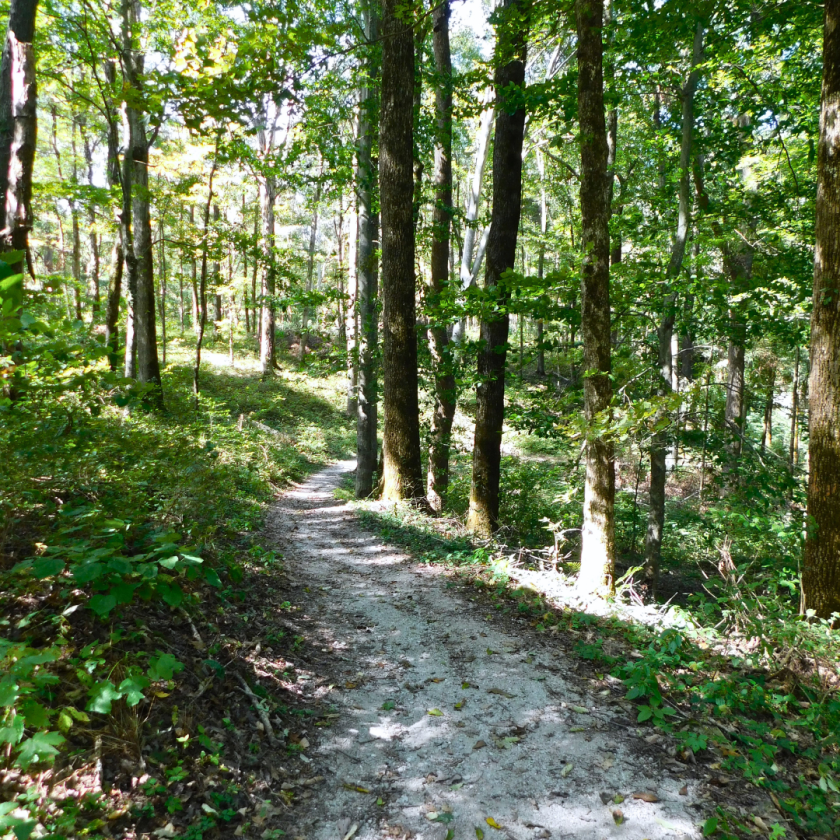
Dogs at Mammoth Cave National Park

Dogs love adventures, too! Mammoth Cave National Park is one of the few National Parks that are dog Friendly. Take advantage of this opportunity to adventure with your dogs and visit Mammoth Cave. Know where to go and what you can do at Mammoth Cave with your pup.

**This post does not pertain to service animals.

Climate Considerations

Being a southern state, Kentucky has some higher temperatures during the summer months. Check the forecast before your excursion to ensure that you are prepared for both yourself and your adventure dog. Even in late September, when temperatures are dropping in my home state of Minnesota, the temperatures in Kentucky were in the upper 70’s and 80’s.

Water: Keep water available for your adventure dog while at camp. Offer it frequently while out hiking to keep that pup hydrated. Be sure that your pup is drinking clean water. Reduce the risk of parasites by keeping your dog from drinking river water.

If the heat is excessive, try these short trails with your pup. See Short Hikes at Mammoth Cave.

Hikes

All of Mammoth Cave’s above ground hiking trails are open to dogs. That’s pretty amazing considering most National Parks do not allow dogs. Keep Mammoth Cave NP dog friendly by following basic Trail Etiquette for Adventure Dogs.

Horse Trails: Mammoth Cave has many trails that are horse friendly. When encountering a horse on trail, step aside and keep you dogs calm as the riders pass.

Bag It: Clean up after your pet immediately and dispose of waste in a trash can asap. There are many throughout the park. Don’t leave the bagged waste on the side of the trail to pick up on your return. The presence of a bagged poo will tamper someone else’s trail experience.

Caves

Dogs are not allowed in the cave systems. They may cause damage to the cave and there are areas that dogs simply wouldn’t appreciate in the caves, such as grates, slick areas, and tight dark spaces.

For other caving options one might give Hidden River Cave a try.

Ticks

Kentucky has a large number of ticks. It’s a good idea to visit your veterinarian before your excursion to Mammoth Cave to evaluation which tick prevention is right for your dog. See Tips for Ticks: Adventure Dog Safety for more info on tick prevention. Remember to visibly check yourself and you dog frequently during and after a hike in the woods.

Kentucky Ticks:

  • Lone Star Tick
  • American Dog Tick
  • Black Legged Tick (deer tick)

Wildlife

Wildlife is abundant in Mammoth Cave National Park. A scurrying squirrel or bounding deer is pretty enticing for our canine companions. Keep you pup on leash and do you best to keep them from barking at and disturbing wildlife.

Wildlife in Mammoth Cave:

  • Black Bear
  • Deer
  • Turtles
  • Squirrels
  • Turkey
  • Bats
  • Coyote
  • Frogs & Salamanders
  • Venomous Snakes

Tip: Keep treats handy in a treat pouch to distract dogs from wildlife. Offering a treat for a successful “Leave It” cue or simply diverting their attention away with a lure is effective in keeping that prey drive in check.

Venomous Snakes: Mammoth Cave is home to the Timber Rattlesnake and the Eastern Copperhead. Keeping dogs on leash will help keep them from stumbling upon or disturbing animals that may cause them harm. Teaching a strong “Leave It” command is important for adventure dogs in any environment.

The snake above is a non-venomous water snake slinking around Sloan’s Pond.

Buildings

While dogs are allowed on park trails and in campgrounds, dogs are not allowed in any park buildings. The visitor’s center is a really neat spot in the park to visit, but you may have to take turns venturing inside while one person waits outside with the pup. Alternatively, there is short-term boarding available.

Lodging

Adventure dogs are welcome in all of the campgrounds, backcountry camping, and at the Woodland Cottages. The Woodland Cottages are the only lodging accommodations in the park that allow dogs. They are not allowed in the Sunset Terrace rooms or the Historic Cottages.

Boarding

The Lodge at Mammoth Cave offers a small boarding kennel for hourly use. The kennel spaces are outdoors with some shade. The fencing is chain link. These kennels are a nice option for those wishing to attend a cave tour, where dogs are not allowed.

Be Aware: This is NOT an overnight boarding area. This is a day use kennel rented by the hour, only during daylight hours.

Rates: $3.50 First hour, +$1 per hour after

What to bring:

  • Water Dish (spigot nearby)
  • Toy/Chews
  • Lock (limited locks available for rent)
  • Collar with Tags (Dogs should always have identification on them)
  • Vaccination Records Required (Rabies, Bordetella, DAP Shots)

Do not leave your dog unattended inside or out at the park. Do not leave dogs in you vehicle.

Mammoth Cave Short Hikes, Kentucky

These short hikes offer great views of Mammoth Cave while catering to the hiker with the shortest legs. Hiking with junior adventurers can be a lot of fun, but the distance can get to them, especially when they’ve been losing sleep and are out of routine. Shorter hikes can help ease the pressure on them and still have a great time in the woods.

If you’re struggling to keep a little hiker engaged, check out 7 Fun Hiking Games to Keep Kids Engaged on the Trail.

We hit Mammoth Cave in late September of 2023, it was still hot! We Minnesota hikers don’t do so well in the heat, our northern blood is too thick for the southern heat. We chose some of the shorter hikes in Mammoth Cave to adventure on. We also had to take into consideration that our son, Killian (3), broke his foot over the summer. It hardly slowed him down! The boot came off the week of our trip, we wanted to be careful not to put too much strain on the recovering foot.

Sand Cave Trail

Distance: .3 miles one way (out and back trail)

Level: Easy, boardwalk

Dog Friendly: Yes, on leash

Fees: No Entrance Fee

This is possibly the shortest trail in the park. It’s all boardwalk and has a unique trail ending. At the end of this mini-hike, there is a cave entrance. This cave entrance has a bit of dark history.

History Story from our Tour Guide: Cave explorer, Floyd Collins, entered this cave and managed to get a distance inside. The area was tight, he accidentally kicked the wrong spot causing a cave in, trapping himself in the cave.

Fortunately, he had a habit of leaving his coat hanging on a tree branch near cave entrances, family knew where to start looking. He was located, still alive, but the extraction process proved quite difficult as rescuers couldn’t risk any further damage to the cave. It might crush Floyd. They were able to talk with him and send down food and water.

Unfortunately, after 14 days, Floyd succumbed to the elements and passed away in the cave. They recovered his body shortly after. The rescue mission gained much media attention, paving the way for Mammoth Cave to finally be declared a National Park.

Sloan’s Crossing Pond

Distance: .4 mile loop

Level: Easy, boardwalk

Dog Friendly: Yes, on leash

Fees: No Entrance Fee

Sloan’s Crossing Pond is the perfect trail for hikers who love amphibians and reptiles. The snapping turtles and snakes were very entertaining here and abundant. We spent a decent amount of time observing the wildlife here with the kids. It’s pretty obvious the visitors have fed the turtles, please don’t, it’s not good for them. We also heard a lot of frogs singing and birds chirping. Such a neat place for the kids to explore.

Doyel Valley Overlook

Distance: 0 miles

Level: Easy

Dog Friendly: Yes, on leash

Fees: No Entrance Fee

This overlook is about 2 miles south of the visitor’s center on Mammoth Cave Parkway. The overlook is right at the parking area, no hiking necessary. This site has two informational signs, a rock wall and wooden fence, trash/recycling bins, and a picnic table. We found it to be the perfect location to whip up some BLTs and have a picnic lunch with a view.

Turnhole Bend Nature Trail

Distance: .5 miles, Loop

Level: Easy

Dog Friendly: Yes, on leash

Fees: No Entrance Fee

This peaceful stroll through the woods leads to an amazing overlook over the Green River. There is a small viewing area on the way to the overlook, this area overlooks a sink hole and the cliffs surrounding it. This loop views a few different sink holes, it’s a really neat area and a great prelude for the Cedar Sink Trail.

We hit one snag on this trail with an easy fix, a downed tree lay over a small portion of the trail. It made for a fun experience to maneuver under it with the kids.

Cedar Sink Trail

Distance: 1.5 miles, Needle out & back

Level: Moderate, steps

Dog Friendly: Yes, on leash

Fees: No Entrance Fee

This needle loop is such a unique hike in Mammoth Cave NP. The stroll to the sink hole is a pleasant walk in the woods with wildflowers and ferns. Some passing streams, too, depending on the time of year. The drastic landscape change near the sink hole is neat! The path leads around the sink hole with an option to venture down into the sink. Of course, we ventured into the sink hole!

For more details on this trail go to Cedar Sink Trail in Mammoth Cave NP.

Cave City Creamery

Bonus Restaurant! After a hot day of hiking, we hit up the local ice cream shop. This is a great little treat after a day at Mammoth Cave. Double bonus; they have an assortment of caffeinated beverages.

Cedar Sink Trail in Mammoth Cave National Park, Kentucky

This short trail through Mammoth Cave’s forest features one of the parks most intriguing features (aside from the caves), the sink holes! There are sink holes throughout the park, but this short trail places hikers up close to the action.

Distance: 1.5 miles

Level: Moderate, steps

Dog Friendly: Yes

Fees: No Entrance Fees at Mammoth Cave NP

Location & Parking

From the Visitor’s Center, head south on Mammoth Cave Parkway. Take a right on Brownsville Road and watch for signs for Cedar Sink Road. Take a left onto Cedar Sink Road. The parking area will be on the left, hard to miss. At the parking area, there is an informational sign about the area. The parking area isn’t large, but we didn’t have any issues finding a parking space.

Needle Trail

A needle trail starts with a trail that leads out on a single path then splits into a loop. The loop leads back to the original path to be followed back to the beginning to complete the hike. Simple enough.

Terrain: The trail is well maintained and the path is smooth. The gravel and packed dirt path is pretty easy. The reason for the moderate rating is due to the steps involved around the sink hole. There is a great deal of steps both descending and ascending 150 feet one way in and out of the sink hole.

Straight: The straight portion of this trail is very pleasant with a mild incline. Check out the streams flowing under the trail during times of higher water.

Loop: The loop is where things get interesting. We went to the left, per our 3 year old’s request, and were met with a steep incline. The loop goes around the sink hole and meets back at the main trail for the return hike.

Wildflowers

Cedar Sink Trail is one of the best places in Mammoth Cave NP to view wildflowers. Take time to admire the wildflowers in the area along the trail. My little photographer made many stops to snap photos of the flora along the way. This trail truly did have the most wildflowers that we saw in the park.

Above the Sink Hole

The ridge above the sink hole offers views of the Cedar Sink hole from above, revealing it’s vast size. There is a look out area on the south side of the sink hole. It’s a small deck leaning over a small section. Hikers can make a loop around the hole and venture inside.

Inside the Sink Hole

On both the south side and north side of the sink hole, there are steps giving access to the lower sections of this massive sink hole. What’s wild is that there are overlooks inside of the sink hole, it’s that deep.

Shelf: Upon descending the steps on the south side of the loop, hikers are brought to an overlook trail along a rocky cliff. At the end of this cliff overlook, hikers can see across the sink hole to the other side and have a view of the slop below while standing below the shelf.

Sink hole Bottom: After viewing the shelf, the trail leads further into the sink hole. It’s very cool how much life is inside the sink hole. Trees are growing, critters are roaming. Its a whole ecosystem. There is an informational sign explaining about Cedar Sink Hole and Cedar Creek at the bottom, just before ascending the steps on the other side.

Dogs on Trail

Bringing dogs on our adventures makes the experience that much more memorable! There are a few things to be aware of at Mammoth Cave National Park when traveling with your dog.

Leash: Dogs must be on leash

Ticks: Be aware, ticks are abundant in Mammoth Cave NP.

Heat: The temperatures can be brutal much of the year in Kentucky. Brutal from a Northerner standpoint. Be sure to bring water along for your canine hiking partner.

Follow Trail Etiquette: Follow trail etiquette with your adventure dog to keep everyone having a great time. For more on trail etiquette see Trail Etiquette for Adventure Dogs.

Saint Croix State Park Must Do’s

St. Croix State Parks holds miles and miles of adventure on the trail, on the water, and even in the air. Get you hiking shoes on, your paddles ready, and be prepared for an amazing state park experience at St. Croix.

Fire Tower

The Fire Tower climb is a must! If it’s open that is, Minnesota fire/observation towers are usually open from April to October depending on the park. Taking in the park from above is breathtaking. Not to mention making multiple visits in different seasons to observe the change over the landscape. Our first visit was in summer, the next was autumn. Beautiful change in scenery.

Check out Overlooks and Observations Towers for more Minnesota height.

Hike

St. Croix has a whopping 127 miles of hiking trails. That’s a lot of trails to choose from. Some of these trails are horse friendly, all are dog friendly and many have river front views. There are a few trails that I highly recommend for river views. Check out 5 Hikes at St. Croix State Park.

Canoe St. Croix

Paddle down the St. Croix National Wild and Scenic River. Canoe is one of my all time favorite ways to explore the outdoors. There are so many things to be discovered along the calm banks of a river. In our case, it was otter and beaver sign. A cluster of shells left from a meal and tracks in the mud.

St. Croix State Park offers rentals of both canoe and kayaks seasonally. As a bonus, a shuttle service is also provided. If you bring your own canoe, there are 5 locations to launch a canoe on the St. Croix and one on the Kettle River.

Little Yellow Banks: We chose the Little Yellow Banks, the northern most canoe launch, as our entry. This was mostly due to the lack on crowds in the northern part of the park. Here we were the only explorers. It’s a near perfect launch for a canoe. Paddlers can drive the canoe right down to the waters edge to load gear and park a short distance away near the vault toilet (bonus).

Kettle River High Banks

This is one of the most beautiful and picturesque locations in the park. The Kettle River offers views of the gentle rapids coursing along a swift current. The pines shrouding the rivers banks are gorgeous accents to the high cliffs. Bring your camera and hold onto your kids.

There is a picnic table at this overlook, a perfect spot in the park for a picnic. Bring along a cooler or classic picnic basket for a lunch at the most beautiful spot in the park.

Camp

Cabins, guesthouses, RV campgrounds, backpack sites, canoe sites, group camps, equestrian camps… No matter how you camp, this park can accomidate it. Tent it is the summer, come back to a cabin for the winter. This park is so diverse to experience. We happened upon a river front cabin while canoeing, it looked so cozy!

Wildlife Viewing

This is the park to be in if you’re wanting to catch a glimpse of wildlife. This park is home to so many critters, from black bears and wolves to muskrats and beavers. Remember to follow the leave no trace policy and keep your distance from these animals. This is their home, we are just visiting. Keep your eyes peeled for:

  • Black Bears
  • Wolves
  • Beavers
  • Otters
  • Racoons
  • Squirrels
  • Eagle, Osprey, other birds
  • Fox
  • Deer
  • Muskrats

It’s unlikely that you’ll encounter a wolf, they are quite stealthy and avoid people. Bears on the other hand… They do meander about the park. This is the first state park that I encountered a bear. No worries, only excitement. We watched her mosey on about her day, crossing the road that goes to the observation tower.

5 St. Croix State Park Hikes

With 127 miles of hiking trails, where does a hiker even start?! St. Croix State Park offers a variety of different landscapes to view on it’s numerous hiking trails. Hikers have waterfront river views, burned regrowth, thick pine forest to roam, and deciduous trees galore for autumn color viewing.

Fees: All trails at this park are included in the state park entrance fee of $7 or the yearly state park pass of $35 per vehicle. The vehicle pass is totally worth the investment and can be purchased on the MN DNR website.

1. Two Rivers Loop

Distance: 5 Miles
Difficulty: Easy
Time to go: Spring to Autumn
Dog Friendly: Yes

To gain views from both the Kettle River and the larger St. Croix River, take this 5 mile loop and see where the two mighty forces converge. This loop is relatively easy along well maintained trails. The trails along the river are scenic especially in autumn, the only downfall to this trail is that the last 3/4 mile of the loop follows a dirt road. Worth it for the views of the two rivers meeting.

2. Kettle River High Banks

Distance: 3 miles one way, out and back (6 total)
Difficulty: Easy
Time to go: Spring to Autumn
Dog Friendly: Yes

Personal opinion: the BEST views on all of the park trails are on this trail. It also has a potent pine scent lingering in the air in the thicker pine forested areas. The Kettle River Overlook is the first impression upon approaching the river. A breathtaking view and a perfect location for a picnic either on the way out or back. The trail is well maintained and meets up with the Matthew Lourey State Trail that cuts through the park. This is the turn around point.

3. Rivers Edge Trail to River Bluffs Trail Loop

Distance: 1 mile loop, but can be made longer.
Difficulty: Easy
Time to go: Year round, becomes a ski trail in the winter (require state ski pass for 16+ if skiing in winter).
Dog Friendly: Yes, during the snowless months.

The Rivers Edge Trail runs along the St. Croix and loops back using the River Bluffs Trail near the campground. Due to it’s close proximity to the campground, there is more traffic on these trails. The views are still beautiful even if it’s less secluded. We found sign of otters along the river banks, very cool.

4. Sundance Self Guided Trail

Distance: 1.5 miles
Difficulty: Easy
Time to go: Year round, becomes a ski trail in the winter (require state ski pass for 16+ if skiing in winter).
Dog Friendly: Yes

The Sundance Self Guided Trail is the parks interpretive trail. These are great for kids. My little guy loves checking out the signs at state park interpretive trails and reading about the habitat that we’re hiking. The trail begins at the Interpretive Center where visitors can grab a brochure on park info.

5. Matthew Lourey State Trail

The Matthew Lourey State Trail is a trail that stretches 80 miles from the Chengwatana State Forest and ends in the Nemadji State Forest. The trail runs along the outskirts of St. Croix State Park. There are spurs that lead to the more scenic areas of the park for thru-hikers to take in the view.

A Note on Wildlife

While hiking in St. Croix State Park, hikers are entering the home of the animals that live there. Remember that we are just guests visiting, try not to disturb them in their habitat. Follow leave no trace principles and keep your distance. St. Croix is home to an abundance of wildlife including:

  • Black Bear
  • Bobcats
  • White Tail Deer
  • Fox
    • Otter
  • Beaver
  • Racoon
  • Wolves
  • A great number of birds (owls, osprey, eagles, etc…)

We encountered a bear crossing the road on the scenic drive. We slowed to quietly observe her and watched her mosey on about her day.

Bear Spray: If you are nervous about bears in the park, carry a canister of bear spray. We’ve carried bear spray in some areas of northern Minnesota and have yet to need it.

Bonus Restaurant: Tobies! When in Hinkley one cannot miss a stop at Tobies for one of their melt in your mouth caramel rolls. Yum!

Mammoth Cave’s Family Friendly Cave Tour

One cannot visit Mammoth Cave National Park without visiting a cave in Mammoth Cave National Park. If you can only tour one cave on your visit, this is the one to tour.

Historic Tour

The Historic Tour was my favorite tour that we took in Mammoth Cave National Park. It covered so much of the history of the park, the different formations, and covered 2 miles underground.

Distance: 2 miles

Duration: 2 hours

Level: Moderate, 540 steps total, tight squeezes, and areas to duck down

Dog Friendly: No, there is limited boarding available (see below).

Fees: $20 Adults, $15 Youth (6-12), Children 5 and under free

Need to Know

Book Ahead– I strongly recommend booking ahead of time on the recreation.gov website, especially if visiting over a weekend. We didn’t book ahead until the day we took the tour and were almost unable to take the tour. We had booked a shorter tour, the Wandering Woods Tour, beforehand and didn’t realize that we’d be up for another one. We were visiting on a Friday, all tours were booked solid for Saturday and Sunday.

Pickup Tickets: Tickets purchased ahead of time or at the visitors center must be picked up 30 minutes prior to the tour.

What to Bring– Not much. There are a few things allowed and recommended, there are more things restricted.

  • Water- allowed
  • Camera-no flash or tripod
  • Front baby carriers
  • Canes permitted if required for stability
  • Sweatshirt or light jacket (cave is 54 degrees year-round)

What NOT to Bring– There are more restricted items than there are permitted items. Here are some things to leave behind.

  • Anything other than water.
  • Food (If you have dietary complications and require food before two hours passes, see your tour guide.)
  • Child Backpack Carriers, kids will likely hit their head.
  • Backpacks with metal frames, are higher than shoulders or lower than waist level.
  • Walking stick/trekking pole
  • Firearms, knives, weapons of any kind
  • Flashlights

Don’t Touch! This was something that the Park Rangers really stressed before and during tours. The oils from our hand have damaging effects on the cave walls and structured within the cave. It is quite obvious to see this damage in some sections of cave where visitors have touched. Do your best to avoid making contact with the cave walls and surfaces.

Watch Your Step– Something our guide said at the very beginning was, “If it looks wet, it probably is.” There are some spots in this cave that are wet and slippery, wear shoes with solid grip and no exposed toes. Leave your crocs at home.

Entrance

After meeting at the shelter and hearing the guide rattle off the rules and regulations about the tour, you’ll head down to the cave entrance. Yes, down. The cave entrance is at the base of a downhill path, then it descends a flight of steps to the entrance of Mammoth Cave. When water levels are higher in the park there is a trickle of a waterfall flowing, we saw just a few drops.

Mammoth Dome

Upon entering the cave, it’s not tight or cramped. It’s actually quite spacious, and then it really opens up. Mammoth Dome is 57 stories high. That’s insane. The reason they call it “Mammoth Cave” is actually because of it’s size, not because of mammoths. That was a question Sandy had been wondering, we were happy our guide was able to answer.

Excavations

For hundreds of years before Mammoth Cave’s rediscovery, Native Americans harvested minerals from this cave. It is unknown what they used the minerals for, but it sure is fascinating.

It was also used for harvesting gunpowder during the revolutionary war. Obviously, Great Britain wasn’t going to continue supplying the rebels with gun powder, so they had to find another source. Thankfully, Mammoth Cave had the resources they needed.

Gothic Ave

We meandered briefly into the Gothic Avenue tunnel, there were a couple of spots with writing on the wall. Some historic, some idiotic. We noticed a lot of Peters, interesting. Some this this writing was so neat with dates going back a couple hundred years. New graffiti is gross, old graffiti is fascinating. Bizzare.

Bottomless Pit

Don’t look down. Just kidding, totally look down. The depth of the this hole is mesmerizing and amazingly, it’s even farther down than it looks. While walking across on the bridge, look between the slats for a knee weakening experience.

Fat Mans Misery

There is a very tight squeeze for a portion of the tour, we needed to turn sideways and duck at the same time. It was fun to not just walk through a hole in the ground but to really experience maneuvering about the cave. Sandy showed off her petiteness and simply walked along. At the end of this narrow hall is a the Great Relief Hall, makes sense after the tight squeeze. It’s 280 feet below the surface. Here the tour guide spoke about sink holes and sea level while the group rested on benches, a good opportunity for a selfie.

The Tower

The tower of stairs brings guests back up on the way back to the cave entrance level and offers a view of an unground flow of water. This was such a neat thing to see, it distracts one from the their burning thighs. The majority of the 540 steps in this tour are right here in the tower. Be prepared to huff and puff like the big bad wolf after this thigh master.

Warning: Surfaces may be slippery.

Dog Boarding

The Lodge at Mammoth Cave offers day us kennels for park visitors. There is limited space and is on a first come, first served basis. We did not make use of these kennels, our adventure dog was too old to make this journey comfortably so she stayed home. For more info on the day use kennels, see The Lodge at Mammoth Cave.

  • Rates: $3.50+ $1 per hour after first hour
  • Locks available for rent.
  • Day hours only, self service.
  • Bring water dish, spigot available.
  • Vaccination records required: Rabies, DHLP, Bordetella, Parvo
  • Do not leave pets in the car while attending a cave tour, Kentucky is hot!

Autumn Hiking Tips for Adventure Dogs

Autumn hikes are the best! Your adventure dog thinks so, too. The cooler temperatures are more comfortable for thick coats, the changing season brings forth new scents, and the bustle of critters before winters adds new entertainment. Changes in the season mean slight changes in the hike as well. Check out these tips to keep your adventure dog hikes going into autumn.

Autumn hikes are the best! Your adventure dog thinks so, too. The cooler temperatures are more comfortable for thick coats, the changing season brings forth new scents, and the bustle of critters before winters adds new entertainment. Changes in the season mean slight changes in the hike as well. Check out these tips to keep your adventure dog hikes going into autumn.

Vest

It’s hunting season! Ducks, bow hunting for deer, and other little critters. Whether you hunt or not, your dog’s safety comes into play this time of year. Be sure to put an orange or pink vest on your dog to distinguish them from other animals. Our Great Dane looks like a deer, it’s very important that we place a vest on her while out hiking in the fall. Even if you think you’ll be staying on the trail, accidents happen, he might get loose.

Xena-doo in her pretty pink coat! Great Danes have a thinner coat and a thin skin layer. When the temperature drops, her jacket comes out. Perfect timing for hunting season.

Stay Warm

Most dogs are fine in the fall with their built in fur coat. Those with shorter coats or naked dogs, may need an extra layer. Senior dogs also have a harder time regulating their body temperature. A light jacket or sweater is helpful for dogs having a hard time keeping warm. This can also double as their visibility vest.

hydration

Keep your pup hydrated, even in the fall. The blistering heat has gone away, yay! Hiking the trail can still make a pup thirsty. Bring plenty of water and dish for your adventure dog to drink out of. Our favorite dish is the silicone collapsible style. Sturdy enough to hold water, yet compactable.

Respect Autumn Critters

If you’ve ever sat in the woods in autumn, you’ll have noticed a frantic amount of activity from the critters. Squirrels are preparing, winter is coming. The increased activity from these prey animals will have your pup intrigued and that prey drive peaked. Take care to keep your adventure dog on leash, don’t allow them to chase the wildlife. Remember that this is their home, we are visitors. They have enough to worry about.

Xena loved the squirrels at Interstate State Park, MN. You can look, but you can’t chase!

Paws

Paws? What? In late autumn, we may have snow on the ground in northern parts of Minnesota. The fresh snow may cause snowballs to form between your dog’s toes, especially fluffy dogs. Some preventatives include; salve or balm specially made for dog feet, boots for tolerant dogs, and checking your dog’s feet frequently.

Be Aware of State Park Hunting Schedule

If you’re planning a State Park hike in Minnesota between mid-October to mid-December, be sure to check the hunting schedule. There are limited hunting opportunities in the state parks, but it’s good to know beforehand. The dates can be found on the DNR website, some area of the parks may be closed during these dates.

Basic Trail Etiquette

No matter what time of year you’re hiking with your adventure dog, follow Basic Trail Etiquette for Adventure Dogs.

Finding Johnson Falls: A BWCA Adventure

Drive, paddle, portage, then hike, in that order, to Johnson Falls for a wildly freeing experience in the BWCA. Johnson Falls is an incredible addition to the wilderness experience that the BWCA offers.

Drive, paddle, portage, then hike, in that order, to Johnson Falls for a wildly freeing experience in the BWCA. Johnson Falls is an incredible addition to the wilderness experience that the BWCA offers. I love chasing waterfalls, but the added thrill to this falls is that there are no guard rails, no boardwalks, no crowds. A good state park waterfall is wonderful, but Johnson Falls is still wild. That’s hard to find these days.

Quick Details

Location: BWCA, west side of Pine Lake

Distance: Variable depending on entry point

Level: Strenuous

Time to go: Late May- September

Dog-friendly: Yes, adventure dogs in good condition.

Fees: BWCA Overnight Paddle Permit

Getting there

Transportation: A combination of vehicle, canoe, and on foot is necessary for this trek.

From East Bearskin: Paddle east from the entry point, portage to Alder (52 rods), then paddle to Canoe Lake portage (25 rods), paddle to Pine Lake portage, Portage to Pine (380 rods). The trail to the falls is at the end of portage to Pine Lake, it leads west along the shore and creek feeding into Pine.

From Clearwater: Paddle east from the entry point, portage to Caribou Lake (140 rods), paddle east to Pine Lake, portage to Pine (76 rods). Paddle across the short distance to the south side of the lake. Canoes may be stowed at the Portage to canoe lake or at a small canoe landing to the west of the portage. Both spots have ample space for canoes. Follow the trail leading west along the creek to the falls.

From Pine: Paddle to the western shore of McFarlane Lake, portage 8 rods to Pine Lake, paddle the long distance to the western edge of Pine Lake. Canoes may be stowed at the portage to Canoe Lake or at a small canoe landing to the west of the portage. Both spots have ample space for canoes. Follow the trail leading west along the creek to the falls.

Hiking to Johnson Falls

A canoe will only bring explorers so far in their quest to find Johnson Falls. On foot is the only way to finish the journey. The trail to Johnson Falls begins at the Pine Lake to Canoe Lake portage, on the Pine Lake side. The trail goes west along the creek. The terrain is rough, and filled with rocks, roots, fallen tree and debris. Be ready to climb over logs and watch your ankles over those gnarly root systems.

Wildlife on Trail: Watch for wildlife sign. Moose, bobcat, beaver, bear, etc.. leave tracks along the way. There are some areas with thicker mud, these are prime locations to see who has been trapsing about on the Johnson Falls trail. We found the most adorable bobcat track and a whopper of a moose track.

What to bring

It’s always a good idea to have a daypack when going off on an excursion in the wilderness. Here are some suggested items to be sure to have along for a trip to Johnson Falls.

  • Good quality hiking shoes.
  • Map
  • Bug spray- seriously, they’re relentless.
  • Water & filter or water purifying tablets.
  • Rain Gear- watch the weather and be prepared.
  • First Aid Kit
  • Swim suit, towel, lifejacket.
  • Fishing gear.
  • Camera!

Swimming

Yes, you can swim in the waterfall! Being that the falls lies in the midst of the BWCA wilderness, there is significantly more freedom to explore than in state parks or more heavily trafficked/managed areas. On the flip side of the coin, swim at your own risk. There are no lifeguards, no cell service, no help for miles and hours. Be smart, make well thought out choices. Bring a life vest for kids or those who aren’t’ strong swimmers.

Fishing

My husband, Scott, thought he’d give fishing a try at the falls. We’re so glad he did. He caught a few bass in the pool at the falls, making the journey quite memorable for him. The pool beneath the falls was both wide enough and deep enough to accommodate swimming and fishing at the same time. Our daughter spotted a large unknown fish while exploring the pools edge. Scott wasn’t lucky enough to catch the monster, but we know he’s in there.

Bonus Fishing Spot: Cast your line out from the Pine Lake Portage, multiple fish were caught here while waiting for shorter legs to catch up.

Highlights of Interstate State Park

Minnesota’s Interstate State Park sites on the St. Croix, bordering Wisconsin. This dainty park holds great adventure from waterfall hikes to mysterious natural potholes.

Interstate State Park should be on every Minnesota hiker’s springtime bucket list. This petite park packs much adventure into it’s 295 acres, one of the states smallest state parks. The rugged terrain and plentiful views of rivers, rapids, a waterfall, cliffs and unusual landscape make this park seem more vast than a scant 295 acres.

Quick Review: 7/10 Interstate has much to offer. We were surprised by the amount of activity in this park. Great for a day trip of adventures, the trails are rough, needing some trail maintenance. Overall a very entertaining little park.

Howdy Neighbors

Interstate State Park was the first state park to coincide with another park across state lines. Interstate State Park is also Wisconsin’s first state park established. The Minnesota portion is just under 300 acres, but the Wisconsin side contains 1330 acres. The WI park also has an informative video, nature center and more than 9 miles of hiking trails. The Minnesota side only has 4 miles of trails.

Potholes

Not the kind that wreck your tires. These are actually quite neat. The holes formed when glacial rivers tore through the area of rough basalt rock. The rugged terrain combined with rushing water created whirlpools and eddies that wore away the rock, creating the holes we see now.

The holes and other unique rock formations are strewn about the ridges and cliffs along the St. Croix River. Interstate State Park actually has the deepest explored pot hole in the world, at 60 feet deep. There are railings and pathways, but still, keep children in hand.

Hiking Trails & Curtain Falls

The mileage at this park tops out at 4. That’s a pretty scant amount of miles for a Minnesota state park, but this park makes those miles count.

Sandstone Bluffs Trail: The most unique hiking trail in the park, aside from the pot holes area, is the Sandstone Bluffs Trail. This hiking trail leads hikers to a spouting waterfall called Curtain Falls. The best time to see this falls is in the spring when water levels are higher and the snowmelt is feeding the creek. During drier months, the falls may only be a trickle and the creek is all but dry. For an in depth guide on the hike to Curtain falls check out Spring Hike to Curtain Falls.

Spring & Fall

The best time of year to visit this park is in the spring, in my opinion. The amount of visitors is still low and the waterfall will be flowing at Curtain Falls. Be warned; there may be ice yet on the trail and the cliffs and bluffs are steep. Check the DNR webpage for trail conditions before venturing out in the spring to avoid icy conditions.

Return in the fall for amazing colors and dramatic cliff views over the St. Croix. I love autumn hikes and this park was beautiful in late September. The conifers contrasting with the autumn leaf changes is stunning.

Camping & Lodging

Camping is available between April and October. Which makes sense, the parks icy surface and close proximity to a surging St. Croix make Interstate more dangerous in the colder months of the year, but a gorgeous oasis in the summer.

Dog Friendly

The great thing about this park is that it’s dog friendly! The dogs are allowed on all trails and shorelines, but not in buildings. Our Xena loved exploring the park with us, both in the spring and fall.

St. Croix River

The St. Croix River separates our Interstate State Park from Wisconsin’s Interstate State Park. The river can be explored along the park shores, personal watercraft with an access at the southern parking area, or via a third party tour or rental service.

Taylors Falls Scenic Boat Tours offer a variety of tours along the St. Croix river and departs near the visitors center at the northern parking area. Canoes and kayaks are available for rent along with a shuttle service. (Also dog friendly on some tours, check site FAQs for more details.)

Rock Climbing

Climbing the cliffs is an option for the experienced rock climbers out there. This is a climb at your own risk situation, and the park does not offer a guide service or equipment. Permits are required at no cost and can be obtained at the park office.

6 Hikes in Blue Mounds State Park

Hikes ranging from easy to strenuous, something for every hiking level, both short hikes and long hikes. Rocky outcroppings, vast prairie vistas, cacti and so much more at Blue Mounds State Park in southwestern Minnesota.

Blue Mounds State Park sits at the south western tip of Minnesota. Offering vast prairies, rocky vistas, dramatic cliffs and unique wildlife viewing, this park is a can’t miss on any south western Minnesota trip. Strap on those hiking shoes and get exploring.

Hiking Club Loop

Distance: Approximately 6.5 miles

Level: Easy

Dog Friendly: Yes, on leash.

The Hiking Club trail covers a vast majority of the park and includes the Mound Trail, Eagle Rock, Upper Cliffline, and Mound Creek trails. This trail features views of the bison herd, a stop at the Eagle Rock and Eagle Rock Vista, cliff views from above on the Upper Cliffline and a trek around the viewing pond and Mound Creek. The only downside of this trail is that hikers won’t see the views of the cliffs from below.

Bur Oak Trail

Distance: 3/4 mile (one way)

Level: Strenuous

Dog Friendly: Yes, on leash. I would recommend taking only dogs accustomed to rough terrain and are in great hiking condition. Our senior Great Dane is not new to difficult terrain, but she was very tired after a steep section on this hike. You know your hiking companion, use your best judgement.

Bur Oak Trail can be accessed from either the Eagle Rock Vista parking area or the rock climbing parking area. Hikers will traverse the bur oak forest into the steep descent below the cliff line for startling sights of the rocky cliffs. Definitely one of the coolest parts of the hikes available at Blue Mounds.

Upper Cliff Line

Distance: 1.5 miles (One way, can be combined with other trails to form a loop.)

Level: Easy

Dog Friendly: Yes, on leash.

Great for jaw dropping and knee weakening views atop Blue Mounds’ cliffs and historic quarry site. Venture (carefully) to edge of the cliff to see the drop to the historic quarry below. This hike is amazing, hikers are sandwiched between two different landscapes. On one side, vast prairie with a cool breeze. On the other side, a rocky outcropping with a sheer drop. The great thing about this trail is that it offers these amazing views and features while remaining an easily traversed trail with a flat, well maintained trail.

Mound Trail

Distance: 1.5 Miles (One way, can be combined with other trail to form a loop.)

Level: Easy

Dog Friendly: Yes, on leash.

A long trail bordering the edge of the bison range, the turf is grass that is well maintained. This trail can be combined with the Upper Cliffline trail to make a loop. It leads from the parking area passed the park office to the Eagle Rock Vista, passing Eagle Rock and another viewing area for the bison.

Lower Cliff Line

Distance: 1 mile (One way)

Level: Easy

Dog Friendly: Yes, on leash.

This shorter trail features distant views of the cliff line. It is a simple mowed grass trail that can be combined with the Upper Cliffline trail for a longer hike with a larger variety of scenery. This trail can also meet up with the paved bike path which offers spurs to the rock climbing areas and historic quarry.

Nature Trail

Distance: 1/4 mile, out and back

Level: Easy

Dog Friendly: Yes, on leash.

Located near the nature play area this short hike is a great spot for a moment of peace, bird watching, and catching a glimpse of the creek traveling through the park. The bench at the end of this trail looks like the perfect place to settle down with a good book, if one is not hiking with kids of course.

Our Trail Adventure

We started our day off at the bison viewing deck. Early in the morning the bison were immediately in front of the gate and deck. The mothers and their babies were so sweet together.

Next, we started our attempt at the hiking trail beginning at the Mound Trail next to the Bison Range. After a quarter of a mile, Killian needed to poop. Such is the way when hiking with a 3 year old. We turned around to used the vaulted toilet at the trail head.

Instead of continuing on the Mound Trail, we explored the Nature Trail instead, a good call. Killian was able to toss some pebbles into the river, his favorite! We also sauntered over to the bridge that crosses Mound Creek.

After some free time at the Nature Play Area, we loaded into the car to drive to Eagle Rock Vista. From there we explored and climbed Eagle Rock and admired the cacti, prairie grasses, and butterflies.

Next, it was onto the Cliffline parking area where we tackled a portion of the Bur Oak Trail, a short section of the Upper Cliffline and returned to the vehicle via a steep descent passed the rock climbing area to the paved bike path.

Our goofy array of hiking exploration actually gave us some of the best views in the park without pushing our junior hikers and senior dog too hard in the July heat and Canadian fire smoke. We had a great view of the historic quarry, witnessed rock climbers at their work, experienced some of the parks most rugged trails and peaceful prairie. In total ,we hiked about 3 miles and were able to experience the most inspiring views in the park.

Make the most of your hike in Blue Mounds. Keep in mind that not every hike needs to an A to B kind of hike. Sometimes a little jaunt here and short excursion there is the best way to keep junior hikers interested, stay flexible.

Tips for Hiking Blue Mounds

  • Bring plenty of water (for your hiking dog too).
  • Wear proper footwear and dress for the weather.
  • Use sunscreen, much of the trails do not offer shade.
  • Stay on trails, cacti are present and can poke through clothing and thin footwear.
  • Carry a map, little cell service is available
  • The Tasty Drive-In located in Luverne, just 6 miles south of the park, has a number of delicious treats. They even have a butterscotch milkshake, yum!
  • Bonus Park: Split Rock Creek State Park