A canoe camping trip into the wilderness with a toddler doesn’t have to be a 30 mile route. In fact, that sounds horrible. Keeping the distance short, the terrain easy and the stress low will keep your trip from becoming a disaster. There are around 80 entry points into the great BWCA. That’s a lot to sift through when planning for a trip accompanied by the most junior of adventures. Here is a list of 4 entry points that I would consider easy when in the company of children under 2 years of age.
1. Kawishiwi Lake
Entry Point #37
Entry Style: Drive up to the lake
Campgrounds Nearby: Kawishiwi Lake Rustic Campground
Daytrips: To Square then to Baskatong/Kawasachong Lake loop or up to Lake Polly
Kawishiwi Lake is my number one recommendation for those with infants wishing for a wilderness experience with the safety net of being near an exit. We loved our home away from home on Kawishiwi with our 10 month old adventurer. Even with the campground right on the lake, there wasn’t much traffic generated from it. We still experienced solitude and wilderness. Our family stayed at the campsite near the entry point, it has a wonderful little beach for the kids to play on. Check out the full experience here.
2. Isabella
Entry Point #35
Entry Style: 35 Rod Portage
Campgrounds Nearby: None
Daytrips: Isabella River, Boga Lake & Perent River
Isabella Lake is a slightly larger lake that can become windy at times, but on a calm day this lake is wonderful. This was the first lake my parents took me to in the Boundary Waters. I was six years old. I have fond memories of playing at the Isabella River, hopping on rocks and catching crayfish. My dad and brother spent a great deal of time fishing. Isabella has walleye, northern, bass, panfish and several other fish species. The campsites are low to the water and relatively flat, making them ideal for camping with smaller children.
*Note: The lake was greatly affected by the Pagami Fires of 2011. A past fire has yet to deter my family from a visit to a lake. It’s a chance to see the impact of wildfires and to witness natures ability to bounce back and regrow.
Baker Lake does not have any campsites on it’s shores but the portages to the nearby lakes are short and easy. The route is actually along the Temperance River. This a very easy and simple area to bring small children. The campsite at the north end of Kelly Lake is perfect for junior campers. This are has a very cool and not well known day trip waiting to be explored, but watch for bear sign. Get the scoop on Baker Lake here.
Daytrips: Fishing on Alton or tour the fire themed lakes; Smoke, Flame and Burnt
With a campground and outfitter right on the lake, there is a greater amount of traffic on this lake. That being said, campers can still have a great experience on this lake. Most of the paddlers on this lake are headed deeper into the wilderness. This gives those who intend to stay on this lake with junior paddlers a chance at claiming one of the 12 campsites available. If these are all taken, there is a short portage to Alton Lake to the west. Alton has 18 campsites available, surely one of these would be available.
We can celebrate our wild world all year long with these fun and informative holidays. It’s another excuse to get out and appreciate what we have all around us. I have enjoyed getting my kids involve and teaching them about these special days celebrating different outdoor activities and animals.
January
20th- Penguin Awareness Day: Learn a thing or two about the 18 different species of penguin. They are fascinating creatures! Check your local zoo and aquarium for the opportunity to observe and learn about these water loving birds.
21st- Squirrel Appreciation Day– Why do we appreciate squirrels? Thousands of trees are planted each year because squirrels have forgotten where they have buried their nuts. We can all relate to that. Way to go, squirrels!
25th- National Moose Day: Who doesn’t love this Northwoods giant?! The largest of the deer species, this agile beast roams the forests of the north. It is quite a treat to view these solitary animals in the wild.
31st- National Hot Chocolate Day: Okay… not wildlife related, but this is a great way to celebrate the end of the coldest month of the year. Brew up a cup of cocoa to welcome the month of February. Better yet, enjoy an end of January hike and top it off with a mug of cocoa.
February
2nd- Ground Hog Day: This is a wonderfully old tradition! Check to see if the Ground Hog has seen his shadow to determine whether or not spring will be early or if we must endure six more weeks of winter. Don’t forget to check out Punxsutawney Phil’s weather report live from Punxsutawney, Pennsylvania!
22nd- National Wildlife Day– This day is formerly celebrated in September. The date of February 22nd was added to honor Steve Irwin in memory of his birthday. This is a day we can all get behind for Steve.
27th- National Polar Bear Day– These bears are a threatened species with the ice they depend on deminishing. Take time on this day to learn a bit more about these massive bears and what we can do to assist them.
March
3rd- World Wildlife Day: This day not only celebrates all of the wild critters in our world, but the need to protect it. The loss of habitat, overuse of land, poaching and many other aspects are threatening our wild world. This is a day to take a step back and see what we can do to change our impact.
14th- National Learn About Butterflies Day: These beautiful pollinators grace this world with their presence. We have all witnessed the beautiful fluttering of a butterfly. Use this day to learn a little something about these beauties and teach your kids to appreciate them as well. Plant some milkweed, a butterfly bush, or other flowers to help them out this summer.
21st- International Day of Forests: This is a day to honor and appreciate trees in our world and the importance of their presence. Plant a tree (or plan to plant a tree when the ground thaws), take a hike in the woods, visit a protected forest, and learn more about the trees in your area.
29th- Manatee Appreciation Day: Celebrated on the last Wednesday in March, Manatee Appreciation Day brings up awareness of these sea potatoes. Beautiful as they are, they need to be protected from boaters, changing waters, and other human activity. Take some time on this day to learn about manatees, observe them if you can, or float around in a pool eating lettuce.
April
2nd- National Ferret Day: A wonder of a weasel! These critters make a unique and entertaining pet. If you are the happy pet parent to a ferret, be sure to whip up a special treat for them on this day. If you are not a ferret parent, perhaps take time to learn about the Black Footed Ferret. These endangered weasels have only about 370 left in the wild, but there are efforts to bring these prairie dog hunters back to control the population of prairie dogs.
3rd- National Find a Rainbow Day: April showers bring May flowers! And rainbows! April is a great time for spotting a rainbow, a glimmer of hope in the midst of a dreary rainy month. The rainbow is also a representation of God’s promise and gives hope. Check the forecast and see if rain is coming your way on this day so you can get out and spot your own rainbow. Don’t forget to check the end for a pot of gold!
8th- National Zoo Lovers Day: The zoo is a great experience for kids to learn about and observe animals they wouldn’t normally see in their own area. Check out your local zoo. Spring is a great time to check out new arrivals, too!
14th- National Dolphin Day: Oh, my daughter is going to love this one. These fun-loving marine mammals are one of her favorites. Swim with dolphins on this day, go on a boat tour, visit a zoo/aquarium, or try your hand at doing a flip in the pool.
17th- National Bat Appreciation Day: We can all appreciate bats. Even if they give you the heebie-jeebies, they are one of the most useful creatures of the night. A single bat will eat up to 1000 insects in just one night. That number jumps to 4,500 insects for a nursing mother. Put up a bat house to help keep these flying bug eating machines at work in your area.
22nd- Earth Day: We all know how important Earth Day is! Learn and teach your kids about the “Reduce, Reuse, Recycle” principles. A great way to honor this day is to clean up your neighborhood, community, or local trails. Then sort the trash into recyclables and show kids where to dispose of the trash.
May
1st- May Day: Hasn’t everyone heard of May Day? The tradition is to leave a basket of flowers on the doorstep of someone you like, ring the doorbell, and run away. If they catch you, they have to kiss you. We’ve mixed this up to better the tradition. Our kids paint a flower pot, plant a flower, and leave in on their grandparents’ front step. It is greatly appreciated by their grandma’s, and it prompts a fun visit in the spring.
13th- Migratory Birds Day: For those of us living in the north, spring is an exciting time when all of the migratory birds are making their way back to us. Fill your feeders and hummingbird stations and watch them come in to feed. We love watching the hummingbirds zip by fighting over flowers and feeders, they are so fiesty.
16th- National Love a Tree Day: Trees provide us with fruit, nuts, wood, oxygen, shelter for us and animals, shade, and oxygen. Take time to be a tree hugger on this day and show the forest some love.
23rd- World Turtle Day: This day was brought to us by the American Tortoise Rescue. This rescue helps these reptiles in many ways. Not just in placing rescued critters into home but also to stop cruelty and the improper selling of these unique reptiles. Check out their site at tortoise.com and see how you can help and celebrate.
June
3rd- National Black Bear Day: Celebrated on the first Saturday in June, this is a day to really learn about this misunderstood critter. Bears are curious creatures that love to snack. If you are a frequent camper, then you know how to keep your items out of a bear’s reach and that they are merely trying to feed themselves. Check out the North American Bear Center in Ely to gain knowledge on these special omnivores.
3rd- National Trails Day: After visiting the Bear Center, hit the trails and see if you can’t find some bear sign. Not near Ely? Hike, bike, or ride on a trail near you and breathe in the fresh air. It’s a great way to kick off the summer.
20th-22nd- Summer Solstice: This is the longest day of the year. It changes from year to year between these three days. I think we can all be thankful for the amount of sunlight we get in the summer months to enjoy the great outdoors. Especially after such a long winter. Stay up late and watch the sun set on this magical day.
July
20th- National Moon Day: On this day in 1969, mankind first walked on the moon. Take time on this evening to gaze up at the big beautiful natural satellite and marvel at the wonders of the moon.
31st- National Mutt Day: Love your mixed breed dog on this day! Share a photo of him and give him lots of treats and maybe a special outing! Everyone loves a good mutt!
August
19th- World Honey Bee Day: On the 3rd Saturday of August this day brings awareness on just how important these pollinators are to our world. Honey Bees pollinate our crops, provide honey and wax. Take the day to learn about this mighty creature that comes in such a small package. Plant flowers to help them along.
25th- National Park Founders Day: On this day in 1916, the National Park Service was Founded. Take time to visit a National Park or Monument near you and be grateful for the protected natural areas still around for us to enjoy.
26th- International Bat Night: Somehow this seems more appropriate than Bat Appreciation Day, seeing that bats are more active at night. If you haven’t had a chance to get that bat house up, now a is a great opportunity to do it.
26th- National Dog Day: Celebrate you dog on this day by taking him out on a special walk or hike. My hiking partner, Xena, is always up for an adventure and a treat.
September
4th- National Wildlife Day: This day acknowledges endangered species around the world and the day that the world had to say goodbye to the amazing wildlife expert and conservationist, Steve Irwin. To celebrate this day, help out a local zoo or sanctuary in their conservation efforts and learn more about helping your favorite endangered animal. February 22nd was added as a day to celebrate National Wildlife day to honor Steve Irwin.
October
20th- International Sloth Day: Lets all slow down for a day and go sloth pace. Take time on this day to curl up with a blanket and learn about sloths. This day was created to bring awareness to the sloth conservation efforts in Columbia.
29th- National Cat Day: Get out the cat treats for your feline friend or pick up a new friend at the shelter. This is a day to celebrate your kitty and to bring about awareness for the kitties without homes. Remember to spay & neuter your critters.
November
4th- National Bison Day: Observed on the first Saturday in November. A great way to kick of the month leading up to Thanksgiving is to give thanks to the American Bison. This beast was a major food source and had religious significance for Native Americans and was a source of income for pioneers moving west. Visit a zoo, a state park or a national park in your area to see these magnificent beasts. In Minnesota state parks, bison can be seen at Minneopa and Blue Mounds.
17th- National Take a Hike Day: Hit the trails and hike to your favorite overlook or waterfall. Take time to appreciate the services and agencies working hard to protect our outdoor play places.
December
11th- International Mountain Day: Mountains offer breathtaking views and a home to many mountainous critters. Use this day to learn about the mountain regions of the world and mountain safety, hike a mountain trail or remines about past mountain adventures.
27th- Visit the Zoo Day: It’s a bit chilly to visit the zoon in Minnesota in December and some some zoos have closed until spring. But the Minnesota Zoo in Apple Valley and the Lake Superior Zoo in Duluth are open year round. There are some winter loving animals that become more active during the winter and it’s a great time to beat the crowds.
Canoe camping is a memory generating activity for families and one of my all time favorite things to do. As a kid, I never really gave much thought as to how the camping trip was put together or where the gear came from. The planning was done for me and the gear was just there. Things are magic like that when you’re a kid, parents make that magic happen.
Well, now we’re the parents and it’s our turn to make the magic happen. Where do we start!? Camping gear is spendy, decent camping gear can be outrageous. Thankfully there are several ways to cut down on gear costs.
Inventory
First things first; make a list of what you need and check your own stock. You’d be surprised at how little you need and how much you actually have strewn about in your home. Once you know what you have, then you can hunt for the remaining items on your list.
Borrow
Ask friends, neighbors, and family. You never know who will have what you need for your excursion. Even if you can borrow a few pieces of gear, that’s a few less pieces to purchase or rent.
Like I mentioned before, my parents made the magic happen. They now have a good stock of camping gear and are happy to lend us supplies from their “Camp Library.” My brother does the same thing when his family camps, borrow from the “Camp Library.” Don’t be discouraged if someone is unwilling to lend their new gear, that may have been a big purchase for them, but perhaps they’ll lend their older items.
Using my parent’s camp stove to make a delicious dinner.
Use What You Have
No, you don’t need that new sleeping bag or the latest tent model. The older gear worked for those who camped before us, it’ll work for us now. Example: A friend of mine had a really cool laser lighter, I had waterproof matches and a Bic lighter. Both produced fire, neither of my methods required charging.
Purchase Secondhand
Used items are a great starting point. We have purchased two of our three tents from garage sales, they’ve both served us well and we saved hundreds. Two of the four sleeping bags that my family uses have come from garage sales. They were like new. The Kelty bag would have been about $150, but it was just $40 at a garage sale!
Secondhand Options
Facebook Marketplace
Ebay
Local Garage Sale
Online Garage Sale Sites
Craigslist
Be sure to check the gear before purchasing. Check for holes in tents, sleeping bags, and packs. If you are purchasing online; check the sellers rating, look closely at the pictures provided, ask for additional pictures if needed and don’t be afraid to ask questions. You don’t want to end up purchasing faulty gear, even if it is cheap.
Another way to acquire gear this way is to post a wanted ad yourself. Ask for gear online, perhaps someone has a stash of gear they’ve been looking to unload. It’s worth an ask, worst case, nobody responds. No harm done. A great time to check into this is at the end and beginning of the season. This is when outdoorsmen are deciding what they want to keep around and what they don’t want to store any longer.
Garage Sale tent at Minneopa State Park.Garage Sale tent at Kawishiwi Lake BWCA
Watch for Deals
Watch for deals at your local sporting goods store or online. Sales happen around holidays and the beginning/end of seasons. If you are on a rewards or point system at a certain store you may be eligible for additional savings. Memberships sometimes have additional percentages off.
Outfitters
Most outfitters will have a season end sale and many list their available used gear on their websites. My folks took advantage of this on one their canoe trips. They came home with quite a few pieces of gear to add to their collection and to replace some of their worn out gear. Outfitters keep up with the top of the line gear, this means that some of their gear is very lightly used before it needs to be replaced.
My folks taking in the view from their used camp chairs purchased from an end of season outfitter sale.
Our local outfitter had a season closing sale. I acquired a new Duluth day pack for $20, it was originally $99. I had used a regular backpack for many years, the straps were beginning to pull away, it was time to upgrade and what a find!
Gifts
For families that exchange gifts this might be a good one for you to acquire gear that you plan to use many times. Making an Amazon wish list or gift cards to outdoor stores may help your cause. My folks know that I love adventuring, they are the ones who introduced me to the great outdoors in the first place. They have gifted a number of our camping items to us, including my first canoe (secondhand) and paddle.
I still remember going with my dad to Cabela’s to pick out my paddle. I got to have a similar experience with my daughter when I brought her to an outfitter to choose her first paddle this last summer.
Gifting is also a great opportunity to help others grow their gear stock if you are upgrading yours. It seems a little strange to gift a used item, but there are items that are larger or harder to come by that would be greatly appreciated by the right person. When my parents upgraded their two canoes from heavy Royalex to one sleek kevlar, they gifted me and brother with the two canoes they no longer needed. We both are very appreciative of this gift. My family has made great memories in that beast of a canoe.
Secondhand canoe being guided through a rocky river.Secondhand canoe taking my little boy on an adventure.
Grow Your Inventory Slowly
Grow your inventory slowly and learn what you really do need and what you don’t. If your goal is to have a fantastic camping set with all the fancy gear; grow it slowly. What has worked best for us is adding one or two pieces of gear each year. What this looks like is using mostly older, secondhand or borrowed gear while gradually borrowing less and less as the collection grows.
Just starting out, our “new” gear that we were adding was secondhand. It was “new to us” gear. The more trips we go on the more we learn what we need and a lot of what we don’t. The experience helps to discern what our camping crew deems necessary and what can be left out of the pack. We are huge fans of packing light.
Rent
The alternate option for gear you are unable to find, is to rent. You might just need a couple things, like a tent, canoe, or camp stove. Outfitters are there to help with multiple options. Most outfitters have options for renting just a few pieces of gear or outfitting an entire trip, some even include the food! Check out different outfitters in the area that you’re planning to go. There are numerous outfitters in the BWCA areas; Ely, Grand Marais, and Tofte.
Wherever you acquire your gear, be sure it’s gear that you need and will use. Unused gear can accumulate and take up space rather quickly. Making smart gear choices will keep your pack light and your items useful.
With a snowy blanket on the ground for half the year in this beautiful northern state, Minnesota knows how to make the most of this magical season. Here are some winter bucket list ideas to get you going on your winter adventure season.
With a snowy blanket on the ground for half the year in this beautiful northern state, Minnesota knows how to make the most of this magical season. Here are some winter bucket list ideas to get you going on your winter adventure season.
Winter Hike
Hiking doesn’t have to end when the snow falls. In fact, the onset of wintery weather brings out a whole new beauty to the great outdoors. There is a hush over the woods and a calmness not seen in the hustling of spring or summer. Strap on your snow boots or snowshoes and head out to your favorite trail to gain a new perspective.
Ice Castle
When the Midwest gives you ice, make a castle! This is such a fun way to embrace the cold for both kids and adults. Bundle up and head out to one of Minnesota’s iconic ice castles or take on the challenge of the Ice Maze in Eagan, MN.
When the temperature drops in the winter it seems that even time freezes for the waterfalls of Minnesota. There is nothing more mesmerizing than seeing those cascading falls come to a standstill. Check out Winter Waterfall Bucket List of Minnesota for more waterfall adventures.
Illuminate your nights with an outdoor adventure by candle light. This is one of my favorite ways to experience the dark nights of the Minnesota winter. Bring hot cocoa and cookies to make it a romantic night with your sweetheart or a fun filled family night with the kids.
Duluth is a popular destination from spring and summer vacationers to autumn leaf peepers. But in my winter-loving eyes, the best time to visit the North Shore is in the winter. Seeing that frozen sunrise over Lake Superior is unreal. Combining a North Shore visit with a frozen waterfall excursion makes for an adventure filled weekend and a perfect getaway.
Dog Sledding
MUSH!! Take a ride by dog sled! This sport is so wonderful to experience whether you’re taking a ride or watching a race. Here in Minnesota, we have dog sled tours available through kennels and races to watch from the far north to the metro.
Dog Sled Tour Companies:
White Wilderness Dog Sled Adventures (Isabella, MN)
Chilly Dog Sled Dog Trips (Ely, MN)
Silent Run (Monticello, MN)
Dog Sled Races to Attend:
Klondike Dog Derby (1st weekend in February, Excelsior, MN)
Gunflint Mail Run Dog Sled Race (Early January, Grand Marais, MN)
John Beargrease (End of January, Duluth, MN)
Build a Snowman
Do you want to build a snowman? What midwestern adult doesn’t have fond memories of scraping up enough snow and rummaging through fridge and cabinets to make the most perfect snowman?! Here’s a fun idea; add bird seed on top to watch the feathered friends enjoy your masterpiece.
Snowshoe
Hit the trails on a pair of snowshoes and wander through a winter wonderland of snow. Snowshoeing is one of my favorite winter activities.
Cozy Up in a Camper Cabin
Cozy up with your sweetheart or go on a winter overnight with the kids. Many of the State Parks in Minnesota have Camper Cabins equipped with electricity or woodstoves for heat. A fantastic way to experience the great wintery outdoors of Minnesota while staying nice and cozy in your own slice of cabin life.
Winter Camping
Really embrace the winter wilderness and camp in a canvas tent. Nothing feels more cozy than a woodstove and hot mug of hot cocoa after a day of winter hiking. If a canvas tent seems a bit too daunting, rent a yurt at a state park. There are three state park/rec locations that offer year-round yurt rentals.
Afton State Park
Cuyuna Country State Rec. Area
Glendalough State Park
Ski Resort
For those wishing to hit the slopes, Minnesota has numerous Ski Resorts strewn about the state from the northern reaches of Lutsen to the southern hills of Mankato. Make it a weekend getaway to resort of a daytrip nearby. Many resorts in Minnesota offer rentals for equipment and lessons if you sign up ahead of time.
Not a ski or snowboard enthusiast? No problem! Snow tubing requires no skills whatsoever. Snow tubing is perfect for the thrill seeking kids (big and small, recommended age 4+). It requires no special equipment rentals, most tubing recreation areas have tubes available and are significantly less expensive than ski and snowboard rentals.
A lesser known park tucked in the Northwoods just outside of Ely, MN is waiting for hikers to seek out it’s serene lake views and secluded trails. Check out this State Park the next time you’re in the Ely area.
Bear Head Lake State Park is just a 20 minute drive from the popular Northwoods town of Ely. An amazing place to basecamp or to visit while in the Ely area. Our adventure was with my daughter’s Girl Scout Troop in early May. The girls made wonderful lasting memories of camp and the outdoor experience here at Bear Head Lake State Park. There is so much to experience here, we will absolutely be back for more adventures.
Quick Review: 9/10 Serene lake views, plentiful animal sign, secluded trails, and numerous lodging options. This park is perfect for those seeking an experience with nature without crowds.
Trails- Nordberg Lake Trail
Our troop took the 3 mile Nordberg Lake Trail bright and early in the morning. This is a loop trail that leads around Nordberg Lake.
Trail Conditions: Being early in May in the northwoods, there was still small patches of snow on the ground in low spots. We also had to climb over some downed trees that hadn’t been cleared yet so early in the season. A fun little obstacle for our scouts to concur. You can check current trail conditions on the parks webpage.
Terrain: The Nordberg Lake Trail is considered “moderate” due to the rocky terrain in some sections and the hills near Nordberg Lake and East Bay. There are some stairs that need to be climbed/descended depending on the direction you’re going.
Nordberg Lake: A set of stairs lead downs to Nordberg Lake. This section of the trail is quite a sight, the small lake is so peaceful and a great spot for a break and a snack.
Park Road: A half mile section of the trail is on a park road before it reconnects with the trail. There are signs to direct your path. Even the park road was quiet, we didn’t see a single car while on this section. If one were to continue hiking on the road rather than turning back onto the Nordberg loop, it would lead to the group campsite.
East Bay: Though the south part of the trail leads along the East Bay, the view of the lake isn’t always prevalent. There is, however, a short trail leading to the waters edge. A great spot to take in the scenery.
Absorbing the view of East Bay.
Solitude
Being one of the lesser visited state parks in Minnesota the trails are less congested. This gives that hiker seeking solitude a greater chance of succeeding. There is also the opportunity to travel by canoe. Portaging to Holter Lake on the south side of Bear Head Lake will offer more seclusion.
Wildlife
We had quite the wildlife experience during our stay at Bear Head Lake State Park. This was quite entertaining for the girls and sure to have made lasting memories of the Northwoods with their troop.
Wolf Sign: While on the road section of the Nordberg Trail, the ladies came across some scat. We inspected it with a stick. This scat was quite large, comparable to our Great Dane’s back home, and it contained a large amount of hair. At first the girls thought it was bear scat. After our visit to the Bear Center in Ely, it was determined that we had discovered wolf scat. Very exciting!
Owl Pellets on Trail: Our ladies were finishing up their 4th grade year in school at the time of our visit the park. They had recently learned about Owl Pellets. This made for an amazing discovery when they successfully identified an owl pellet on the trail near the East Bay of Bear Head Lake. The ladies were proud to be able to put their new knowledge to use.
Owl Pellet with hair and mouse skull.
Curious Bear: Certainly our most exciting experience at Bear Head Lake State Park involved a campfire and a curious bear. We had stayed at the Guest House at the Park. After an evening of hot dogs, s’mores, and playing flashlight tag by firelight, it was time to wind down for the night. I stayed out to watch the fire with two of our scouts while my co-leader brought the others in to start getting ready for bed.
With the area quieting and the lingering aroma of dinner and s’mores, we attracted a curious bear. The ladies were quietly chatting when I heard the rustling in the brush close to our clearing. I shushed the girls to hear better and that’s when we heard the classic bear “huff.”
To deter the bear from exploring his curiosity further, I banged on the table and shouted loudly. We stirred the coals and calmly headed for the Guest House. Once inside, I informed the girls that there was in fact a bear just outside camp. The looks on their faces was priceless and hilarious! It was quite entertaining to hear them retell the simple encounter with such embellished details. A trip the the Bear Center in Ely the following day put any fears they had to rest and learned they that bears are simply curious creatures.
Lodging
Guest House: The Guest House was the perfect location for our Ely weekend “basecamp.” There’s plenty of space to accommodate up to 10 people. Full Kitchen, two bathrooms, three bedrooms, great dining area, two living spaces and plenty of outdoor space. The outdoor spaces include a yard with a firepit, a patio with a furniture, picnic tables, a grill, and a trail leading down to the North Bay of Bear Head Lake. It is a house but with it’s cabin theme, it doesn’t hinder the outdoor weekend experience.
I highly recommend the Guest House for those seeking an outdoorsy experience with a more “indoorsy” personality. It is also great for those with larger groups spending time in the Ely area.
North Bay views from the Guest House Trail.The view of the lake from the guest house. The trail is to the left in this photo.
Camper Cabins: 5 rustic cabins sit in the parks campground and hold up to 6 people. They are a single room with bunks. The cabins have heat, making them available in the winter as well.
Campground: Bear Head Lake State Park has 73 sites available for camper vehicles (45 are electric). Some of sites are more wooded than others.
Group Camp: One site is available for large groups up to 50 people. This site located on the north side of East Bay at the end of a spur park road.
Backpack Camping: Four sites are available for backpack camping. Three sites are on Blueberry lake, one is by itself on Becky Lake.
Canoe Camping: The park has two sites accessible by canoe. One on the south side of Bear Head Lake and the other in East Bay. If traveling by canoe, a great idea for a day trip would be to check out the portage leading into Holter Lake.
Morning views
A perk of staying at the park is getting up early to check out the morning views. Rising before the park opens to have a serene and secluded moment with nature is a most cherished experience. Especially when traveling with a group of Girl Scouts! This was a needed morning meditation, ranking just below the need for coffee. Visiting North Bay from the Guest House trail before the girls woke was a wonderful way to start the day.
Enjoying the morning peace before the scouts rise and shine.
Park Activities
Summer:
Hiking (14 miles)
Swimming Beach
Camping
Canoe Access
Boat Access (drive in, 10 mph limit)
Fishing (walleye, northern pike, largemouth bass, panfish, and black crappie)
Winter:
Cross Country Ski (9 miles)
Snowshoe (anywhere in park except groomed trails
Snowmobile (4.5 groomed trails)
Camper Cabins & Guest House Year-round
Nearby Activities
Visiting this area means having much to do outside of Bear Head Lake State Park. With Ely and the BWCA so close, there is an abundance of activities at hand.
Visit the shops in Ely (Piragis Outfitter was my favorite)
Grab some ice cream at Northern Expressions
Visit the Bear Center
Visit the Wolf Center
Caffeinate at a coffee shop
Dine at the numerous restaurants
Visit nearby Lake Vermillion-Soudan Underground Mine State Park (check for updates as it’s currently under construction)
Daytrip into the BWCA for hiking or canoeing (day use permits can be obtained at self issuing stations or the Kawishiwi Ranger Station)
While enthralled in an article the other night about starting fires, the author was talking about lighters and kindling, I came across a line that read, “before you flick your Bic…” What an interesting line. It reminded me of the phrase “Whatever floats your boat.” That got my wheels turning.
This one line from a fire starting article in the Boundary Waters Journal made me rethink the old phrase; “whatever floats your boat.” Turning it into “whatever flicks your Bic.” What a fun way to put a spin on the old phrase. I ran with it and came up with outdoorsy themed versions of it. Hope you enjoy them!
Fire
Whatever….
Flicks your Bic.
Stokes your fire.
Toasts your mallow.
Roasts your dog.
Strikes your match.
Collects your kindling.
Splits your log.
Fuels your flame.
Fishing
Whatever….
Casts your rod.
Filets your dinner.
Strings your walleye.
Hooks your pike.
Winds your line.
Wiggles your jig.
Lips your bass.
Nets your catch.
Fries your fish.
Steals your fish…. It’s an otter. Otters steal fish, little known fact.
Canoe/Kayak
Whatever….
Paddles your canoe.
Runs your rapids.
Dams your creek.
Swamps your canoe…. That one is a little disastrous.
Around Camp
Whatever….
Pitches your tent.
Rolls your map.
Hangs your hammock.
Portages your pack.
Hangs your food pack.
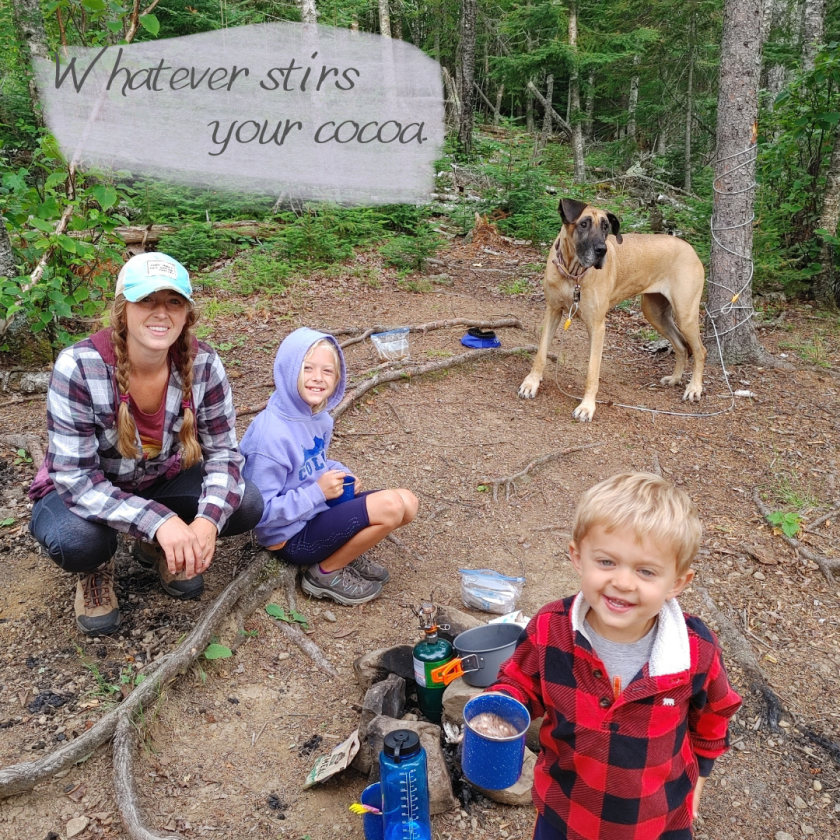
Stirs your cocoa.
Animals
Whatever….
Swats your skeeter.
Calls your loon.
Spots your moose.
Outruns your bear. Just kidding, nobody can outrun bears.
Croaks your toad.
Snaps your turtle.
Mix it up and make up your own! It’s a fun way to go with the flow of camping life.
Winter turns this quiet park into a winter wonderland complete with a frozen water fall. Find the Hidden Falls in under a blanket of ice on a winter hike or snowshoe adventure.
Winter has an amazing habit of turning beautiful waterfalls into unbelievable natural ice sculptures. Nerstrand has a splendid limestone falls at the heart of the “Big Woods.” Listen closely to hear the trickle of water hidden beneath the frozen falls.
Quick Review: 6/10 A lovely little park with a stunning waterfall view and gorgeous tall trees. I really liked the clear signage at this park.
Location
Nerstrand Big Woods State Park is about an hour south of the Twin Cities, just outside of the small city of Nerstrand. Our route took us through Northfield, home of a Malt-O-Meal factory. It smelled like cereal in that town, delicious.
Playground
Upon arrival, you’ll be greeted by a petite rustic playground. Perfect to burn off that initial energy for little ones after a long car ride. There are swings, a train, and a swing bridge. Great obstacles for kiddos to explore.
Hiking Trail
There are a total of 11 miles of hiking trails at Nerstand Big Woods but the hike to the falls is quite short, just half a mile. This is a perk when hiking with kids on a chilly winter day. If you have more time on a beautiful day, take advantage of the numerous loop trails where snowshoeing and skiing are permitted.
For the quickest trail to the falls, take the Hidden Falls Trail from the main parking area. This half mile trail can easily become a mile long loop.
Fence/Rope Barriers
Along the way to the falls, you’ll notice there are several areas that have been roped off with signage deterring hikers from entering certain areas. This is because of a rare plant that only grows in this park and nowhere else in the world. It’s called the Dwarf Trout Lily, a great reason to return in the spring and summer.
Respect the boundaries put in place by the park to protect the rare lily.
Boardwalk
Boardwalks have been put in place along with the other barriers. Please stay on the boardwalks when on this section of trail. They keep the foot traffic off of the rare lily and other important plants in this area. The boardwalk also makes it easier to traverse the path down to the falls along rather steep hills.
Hidden Falls
Hidden Falls isn’t quite as hidden as the name suggests. The falls is a short half mile hike from the parking area. The signs are very clear directing hikers to the main attraction of this park. Next to the falls is a set of stairs leading to the lower section of river where hikers can explore the bank and take in the magical view of this falls. In winter this solidified falls is like freezing time, but the trickle of living water can be heard beneath.
Crossing the Creek
Continuing on trail is no problem across Prairie Creek just before the falls. The trail leads over cement blocks to get to the other side. This was great fun for the kids to hop over and adds an exciting obstacle to the hike.
Park Activities
Hiking to the falls is not the only thing that this southern Minnesota park offers. There are plenty of activities to keep the nature enthusiast busy in this neck of the woods all year round.
Do you have an adventure dog? Dogs have been accompanying me on my adventures since I was a kid. What dog wouldn’t love a grand adventure off in the wild? Okay… Maybe not my sister-in-law’s 4 pound Pomeranian, but most others would be ecstatic if they saw the leash come out while you’re packing up. That fluffy pocket-pom might want to take a ride in her pack instead.
Know Before You Go
First things first, check to make sure dogs are allowed where you intend to hike. Most national forests, state or regional parks and recreation areas are dog friendly. On the other hand, there are very few national parks that allow dogs on hiking trails.
Leash Up
Check the regulations at your destination. Odds are if dogs are allowed, leashes are required. Be respectful of this rule, it keeps everyone safe on trail. A dog running loose, especially with a poor recall, can cause chaos on trail. We’ve experienced this far too many times. I spot a loose dog and a hiker not paying attention, then I call out, “Hold your dog!” Usually the response I get is, “Oh, he’s friendly.” Every time I have to shout back that my dog isn’t. Meanwhile, their dog is rapidly approaching my “not so gentle giant” of a Great Dane. It’s absolute nonsense. Please abide by the leash regulation in leash only parks. For some folks, like me, they’ve chosen this park because they have leash only rules.
**Side note- Please don’t let a child walk a dog that can overpower them in an exciting situation. I’ve watched small children walking large dogs let go of the leash or get dragged when the dog sees something it wants.
A retractable leash has no business being on a hiking trail. **Deep breath** They are bulky to hold on to, can cause burns if the line is grabbed while the dog is running, get tangled up easily, doesn’t give the dog clear direction, can injure the dogs neck if stopped abruptly, can be chewed through quickly, allows the dog to get too far from the handler’s reach for protection and inhibits the handler’s ability to give other hikers their space. Did I leave anything out? As a dogwalker, I speak from experience using them and watching others fumble with them. Don’t bring a retractable leash. A 6 foot nylon leash will suffice.
Give Space
Passing other hikers and dogs on trail is a great opportunity for you to practice a “heel” cue with your dog. Give plenty of room to passing two and four legged adventurers.
Loads of people love seeing dogs on trail, but there are a few that would rather not encounter a dog for various reasons. Some have allergies, have their own dog on trail, have a fear of dogs, or are bonkers and don’t like dogs. Weird, I know. Whatever the case, be respectful of others using the trail. If you do encounter an unruly dog or person who appears afraid, step off the trail to allow them more room.
A great way to ensure a successful passing is to get your dogs attention with a treat and place them in a sit while treating them when the other dogs passes. This is great for very friendly dogs who are eager to say “hello,” but are asked not to.
Ask First
This goes for both dogs and people. Asking the handler before petting a dog is common sense. This common sense seems to go out the window when someone else also has their dog out and about. Never assume the other dog is friendly. While there is still plenty of space between the two dogs, ask if their adventure pal is friendly and would like to say “hi” to your dog. If the answer is no, respect them and give them space to pass. If the answer is yes, always take into account the body language of both dogs before letting them play.
I am very grateful to those who respect my Xena’s space. She loves her adventures so much, and it’s always appreciated when we can enjoy them in peace and pass others without incident.
Right of Way
Knowing who has right of way is helpful in being a considerate hiker, with or without a dog.
Hikers with dogs yield to hikers without.
Hikers descending a hill yield to hikers ascending.
Bikers yield to hikers and horses.
Hikers yield to horses.
A proper yield means slowing down, stopping completely if on a bike, and stepping slightly off trail if possible. Calmly make yourself known, especially when approaching from behind.
Gear Up
Packing the appropriate gear is essential for hiking with your pooch. Take into consideration the weather and your dogs size, ability, and medical needs while packing. Is your dog carrying his own pack or is the dog gear doing in your pack. Does she need a coat in the winter or is she fluffy? If she’s fluffy, how will she cool down if she gets hot in the summer? Be sure to check your dog’s packing list before you set out.
Leave No Trace… That Means Poo Too
Follow the “Leave No Trace” principals and bring the poo bags. We don’t clean up bear poop in the woods, so why should we have to clean up dog poop in the woods? Because it’s gross, that’s why. Nobody wants to see a big pile of dog poo on the trail. Bring the baggies and take it out with you. In some cases, such as the Boundary Waters Canoe Area, it can be disposed of in the latrine or buried. DO NOT bury or throw poo bags in the latrine. If you bag it, it must be packed out or tossed in the nearest trash bin.
No digging or destroying trees. Dogs love to dig, make sure you are putting the forest back the way you found it or better yet, preventing your dog from digging it up in the first place. Xena has a hilarious habit of biting trees. She is only allowed to do this on private property, not on public trails or protected wilderness areas, though it is comical to watch.
Shhhh
SQUIRREL! Oh yes, we’ve all experience the mayhem of a squirrel crossing. It’s exciting for sure, but once the excitement is over be sure to hush your puppies. Folks in the wilderness are seeking serenity and a barking dog isn’t it. Be respectful and keep your pup focused and relatively quiet.
Be aware of your surroundings, especially when hiking in areas where there are large animals such as moose, bears, and bison. Give these animals space and keep your dog under control.
Respect Hiking Limits
Dogs come in all shapes, sized and abilities just like people. Your one year-old Siberian Husky will go a lot farther and faster than my 15 year-old Border Collie did at Gooseberry Falls. Learn your dogs limits and abilities and adhere to them, grow their ability slowly. Starting off with short fun hikes and gradually increasing the time, distance, and difficulty will have your pups whipped into shape in no time.
Likewise, respect breed abilities. A lean short-coated dog may not do will with a long winter hike in the mountains and a fluffy heavy-coated dog won’t fair so well in the desert heat. Pay attention to your dogs, they’ll know what they can do they just can’t say it in words.
Take breaks when needed. Not just a physical break but if they’ve been in a “heel” for a long while when passing a crowded area give them a mental break to sniff around once you’ve passed the congestion. It’s important to let a dog sniff their area, it makes them relax and feel more comfortable with their surroundings.
Taking a sniff at the trail head at Charles A. Lindberg State Park, MN.
Know When to Leave Fido at Home
Be watchful of seniors, while they have more experience under their collars, they don’t adjust as quickly and may eventually enjoy the view from home better. Our Border Collie mix, Oreo, went on so many adventures in her 17 years, coast to coast, mountains to desert. In her final years, she slowed down and was content to meander about the trails behind our house. On her last canoe trip to the Boundary Water Canoe Area, I knew it would be her last and I think she knew it too. She soaked in every bit of her adventure, I can still picture her basking in the sun on the warm rocks near camp. She was the best adventure dog and I miss her greatly.
Oreo’s last trip to the BWCA 2016It would be easier to carry her if I were holding a less bulky leash.
It’s better to have it and not need it than to need it and not have it. Be prepared for the winter season by putting together a Winter Emergency Kit for your vehicle.
Welcome Winter. Winter brings about some hazardous conditions that could put travelers in danger. Icy roads, snow drifts, bald tires, lack of all wheel drive. So many things to consider when traveling in the winter. Obviously, as a driver, use your best judgement on whether or not it’s safe to hit the road. No matter the road conditions, if you are in an area with snow and cold, an emergency kit should be in your trunk.
Every Minnesotan has an ice scraper in their vehicle, but there is more gear needed as a winter driver. I’ve compiled a list of items to include in your Emergency Winter Kit. When the need arises, it’s better to have it and not need it than to need it and not have it.
Absolute Essentials
Phone Charger & Phone($varies)– Most everyone carries their phone with them. Keep your phone charged at all times, a dead phone is useless.
I once made an emergency call to my husband with only 8% battery left. My hand was crushed in a metal dog door handle and the jam. I was able to send off a picture of the drill bit needed to free my hand and my location before my phone died. I still don’t have full feeling in my middle finger. Had it take much longer, I’d likely be down a digit. He got to me in 10 minutes rather than hours after he would have realized I hadn’t returned at my usual time.
**Communicate** Let people know where you are going, when you get there and when you plan to return. Safety first!
First Aid Kit ($20)– A well stocked first aid kit can assist in simple sliver removals to major bleeds. Be sure to have a first aid manual in your kit. You may have the knowledge to use the equipment, but if you are the one in distress that knowledge doesn’t help you.
I learned my lesson on traveling without a first aid kit the hard way. While biking to a waterfall my dog, Xena, made a mistake causing me to flip over my handlebars on a gravel trail. The following day, I purchased and stocked a first aid kit to toss in my day-pack.
Jumper Cables ($15)– Extreme cold can kill a car battery. A set of jumper cables should be kept in every vehicle.
Spare Tire ($varies) & Tire Changing Kit($50)– Having a spare tire in or under your vehicle is useless if you don’t have a portable jack and tire iron to accompany it. Don’t rely on passersby to have the tools you need. You may just find yourself on a seldomly traveled road with nothing but a tire that can’t be put on.
Small Shovel ($15)– Having a folding shovel in the car have help get you out of drifts and banks that have trapped you or another driver. In extreme emergencies, it can be used to dig a snow shelter.
Non-clumping Kitty Litter ($3)– Sometimes we just get stuck on ice or packed snow. It happens, sprinkling some kitty litter will help get traction for your tires and get you on your way.
Knife/Multitool($10)– You never know when or for what you’ll need a knife. I’ve needed a knife in so many different situations. It’s just a good idea to always have one on hand, but in case you forget one, have one in your emergency kit.
Window Marker ($4)– These markers are great for letting others know that you need help, have already gotten help and leaving the date on your vehicle to let authorities know when this vehicle was left.
Gloves and Hat ($10)– Keep a pair of gloves and a hat in your kit. When a car repair becomes necessary, gloves rapidly become essential.
Gear To Consider
Rechargeable Spot Light ($22)– A spot light comes in handy with breakdowns that occur at night, giving you a light source to fix your vehicle. Batteries lose their juice quickly in cold weather, a rechargeable light can be powered off of the car battery.
Tire Patch Kit ($10)– Having a patch kit at your disposal can aid in repairing a tire rather than changing it. Speaking from experience, it’s much easier to fix the hole from a nail or screw than to change the whole darn thing. Keep in mind, you’ll need a lighter to be stored along with the kit to burn off the extra rubber from the tire plug.
Portable Tire Inflator ($23) and Pressure Gauge ($2)– As you can see, I’m putting a lot of emphasis on tire care. No tires, no travel. My portable tire inflator has been my most frequently used item of all of my roadside kit items.
Warming Packs($5-10)– These will be greatly appreciated when stranded in cold temperatures or even returning to the vehicle after a cold winter ski adventure. Single use warming packs are a regular item I like to toss into my day pack as well, great for little kid fingers and toes.
Duffle Bag/Tote($varies)– Not all vehicles come with a storage compartment. A simple tote or duffle bag will do the trick. I prefer the duffle as it’s easier to grab and carry in an emergency.
Extreme Situation Items
Road Flares($8)– In blizzard and white out conditions, it’s difficult to spot a vehicle in the ditch, especially when you aren’t even sure where the road is. Best thing about these; the cold can’t drain the battery, there is no battery.
Blanket/Sleeping Bag ($10-50)– We have a small blanket for our kids for everyday use, it makes for a cozy ride in the car. For emergencies, we have a spare sleeping bag in the kit. If stranded in dangerous conditions it is imperative to keep the body warm to prevent hypothermia.
Full Change of Clothes($varies)– Have a full change of winter clothes in a zip-lock bag for each person who regularly rides in your vehicle. If someone becomes wet for some reason, it is important to get them out of wet clothing and keep them dry.
Basic Tools($varies)– Having a few tools like screwdrivers, small hammer, and a pliers are helpful in many situations.
Rope ($4)– Rope is such a versatile tool. It can be used for making splints on an sprained ankle, erecting a temporary shelter, making a bow sting for a fire starter, hanging a pot over a fire to melt snow for water. I keep a small coil of paracord in my kit. It’s light weight, strong, and compact.
Fire Starters ($2) & Waterproof Matches ($4)– Fire gives warmth and light. Being stranded in extreme temperatures might come down to how long you can keep yourself warm before help arrives. In remote areas, this can be longer. Having a way to create fire can be life saving. A couple of fire starters and water proof matches should be kept together. Finding wood to burn isn’t as hard as getting a fire started.
Candles ($5)– Candles are a more reliable source of light than flashlights. Batteries don’t last in extreme temperatures. Tea light candles work great for giving off light, be sure they come with a tin so wax doesn’t get on everything.
Hand Sanitizer ($3) & Toilet Paper ($1)– When you’ve got to go, you’ve got to go. Keeping toilet paper and hand sanitizer in your vehicle is great year-round. Both of these can also help start fires. The alcohol in the sanitizer makes a surprisingly effective fire starter.
Snacks($varies)– One way the body can keep itself warm is by digesting food. Keep high calorie snacks that don’t freeze or melt in your emergency kit.
Water Purifying Tablets ($9) & a Small Pot– Keeping water in your vehicle poses one single problem. It freezes. Water sources around you are also likely frozen. That leaves ice and snow unless you happen to be near a river that hasn’t frozen yet. Treating your water before drinking it will help keep you safe from parasites.
Free Printable available for your own personal use, be prepared and be safe!
One for the Minnesota Bucket List for sure. This semi-popular trail leads into the BWCA and to the highest natural elevation in Minnesota. The numerous adventures that I have enjoyed in the BWCA had always been by canoe, this was the first conquest traveled by foot. Viewing from above gives a new perspective on this vast wilderness.
Distance: 7 miles Type: Out & Back (or a spur if hiking thru on the Brule Lake Trail) Difficulty: Moderate Time to go: All year Dog Friendly: Yes, on leash Fees: Free, day use permit
Great Heights
Eagle Mountain sits a whopping 2,301 feet above sea level. Okay… so it’s not the most staggering height but it does hold the title for highest natural point in Minnesota. The lowest point in MN is under 15 miles away at Lake Superior, just 600 feet above sea level. A 1,701 foot difference in that short distance makes for dramatic landscapes in this area and picturesque scenery.
Permit
Hiking in the BWCA does require a permit. Overnight permits between May 1st to September 30 must be acquired ahead of time on recreation.gov, there is a fee for overnight use. Day use permits (free) are required year-round and available for self issue at the trail head or at Forest Service offices.
Length
This trail is 3.5 miles in length one way. It is not a loop! The out and back trail makes the total distance hiked 7 miles.
The hiking trail is considered a “wilderness trail,” meaning it is more rugged and not as frequently maintained as a other trails in the state, such as state park trails. You may come across downed trees and debris on the trail. Be prepared to go up and over or around.
Terrain
Eagle Mountain Trail is narrow with a variety of terrain. The trail passes over planked areas to pass marsh and swamp, over or around downed trees, over pronounced root systems, small bridges and creeks, along lake shores and beaver damns and finally a climb up rough trail and rock. This area has such variety, it’s amazing! Be sure to wear appropriate footwear.
Very Dog-Friendly
I wish we had been counting. The number of dogs on this trail was a surprise to me. We saw everything from young puppies to senior citizens, toy breeds to giants. If you have a well behaved and energetic pup at home, I encourage you to bring them along. They’ll love this adventure. We brought our 8 year-old Great Dane, Xena, along. She had a blast, even in her old age. Be sure to follow Trail Etiquette for Dogs to make sure everyone has a safe adventure.
Trail Head
Getting to the trail head is quite easy. Follow MN-61 to Lutsen, MN. Turn left onto Caribou Trail, after 17 miles you’ll go right onto The Grade for 4 miles. On the left you’ll find a decent gravel parking area with an obvious trial head.
This Trail head is complete with a vaulted toilet. I suggest you use it before the hike, it’s the last restroom unless you are planning to camp at one of the two sites off the trail, but there is no guarantee that they will be available.
Hitting the Trail
The first 3/4 of a mile are hiked in the Superior National Forest before you enter the BWCA. Be sure to snap a photo at the indicating sign as you enter this cherished wilderness. If you’re frequent visitors to the Superior National Forest and the BWCA, you’ll notice the slight change in trail conditions when you cross over.
After about 2.5 miles, along Whale Lake, there will be a four-way split. The trail that you’ve arrived on, a trail hooking to the east leading to a campsite, a trail heading north continuing on to Brule Lake Trail, and a trail to the west leading to Eagle Mountain. Obviously take the west spur trail leading to Eagle Mountain. Your destination will about another mile up. And I mean “up.”
The “Climb”
No, it’s not really mountain climbing. No equipment required but a pair of good hiking shoes. But it is still a steep incline over rock and loose gravel. Watch your footing and take it slow. Be sure to have children hike in front, this way the person behind them can catch them if they slip. Our 2 year-old hiker was able to accomplish this climb with the help of his dad. Our 10 year-old tackled it no problem. The senior Dane was able to complete it as well.
Not There Yet
Do not be deceived! You’ve scrambled up the rocky climb near the end of the trail and reached a stunning view, but you’re not there yet. While taking in the view over the nearby lakes in the BWCA from above is unreal and amazing, the peak is still farther up the trail. There will not be a marker at this point in the hike.
The Peak… Really
The trail continues opposite the gorgeous view. A quarter mile more lies a plaque that indicates the highest point in Minnesota. This location doesn’t have an amazing view or anything, but it is an accomplishment that every Minnesota hiker should check off their list. Let the sense of satisfaction wash over you… then return to the overlook for a well deserved snack and rest before your hike back.
Camping
Why not make it an overnight trip? There are two designated campsites off of the Eagle Mountain Trail. One on the west side of the trail on a spur and the other on Whale Lake. But be warned, in peak season these campsites are likely to be taken. About 3.5 miles north of the where the Eagle Mountain Trail becomes Brule Lake Trail there is a campsite of a spur lies a campsite on the peninsula of Fishhook Lake. You’ll also need an overnight hike permit to camp in the BWCA. This can be obtained at recreation.gov.
If you are concerned about the campsite availability during peak season, a valid concern from June through August, an alternative plan would be to camp near the trail head. There are several camping opportunities in the area.
First Come First Serve Camping in the Area: (No Fee, No Reservations)
Cascade River Rustic Campground (2.5 miles from trailhead)
Devil Track Lake Campground (6 miles from trailhead)
Baker Lake Rustic Campground (14 miles from trailhead)
Clara Lake Rustic Campground (15 miles from trailhead)
Reservable State Park Camping (Reservations and Fees Required)
Cascade River State Park (16 miles from trailhead)
Temperance River State Park (33 miles from trailhead)
George Crosby Manitou State Park (49 miles from trailhead)
Tettegouche State Park (55 miles from trailhead)
These are just a few of the options in northern Minnesota. There are many more private and public camp areas, some requiring reservations and fees. On our visit, we chose to stay at Cascade River State Park. A wonderful place to set up camp on a hike-in adventure.
Grab a Post-Hike Bite
We like to have a nice treat after a good hike. This time we decided on “My Sister’s Place.” This was just what we needed after a 7 mile hike with kids. While the burgers were tasty, the real treat was the blueberry shake. Never have I ever seen a BLUEBERRY shake on a menu, and it was amazing! We highly recommend “My Sister’s Place.”
Eagle Mountain had been on my Minnesota Bucket List for some time. For a few years we had intentions of visiting in the summer, we finally made it happen in lieu of a second BWCA canoe trip. This allowed us to bring our oversized pup along to the BWCA for the first time (she doesn’t do canoes). Now that it is off my bucket list for the summer, it’s back on the list for a snowshoe adventure!