On these dreary, wet spring days when it’s too yucky to play outside; grab your favorite snack and pop in an old adventure movie to watch with your kids. Any one of these thrilling nostalgia filled titles will have you amped up for adventure season.
Fly Away Home
This is a tragic story turned heartwarming. 13 year old, Amy, lives with her mother in New Zealand when a horrific accident lands her reunited with her father in Canada. While Amy adjusts to her new circumstances, her inventor/artist father tries to help her along but to no avail. Amy happens upon a nest of Canadian goose eggs. Father and daughter bond over their attempt to rescue these birds from living a captive life.
If you can get passed the first tear jerking 5 minutes, this is a great wholesome father/daughter movie. I enjoyed it growing up and I appreciate it in a new light as a parent with my own kids.
Iron Will
Young musher, Will Stoneman, enters a dogsled race with his late fathers dog, Gus, in an attempt to save his family farm. Will bonds with Gus as they both mourn his fathers death over the course of the race. All odds are against the inexperienced musher and fellow racers are of no help. Will and Gus face many challenges along their trail, from dangerous terrain to villainous racers. Catching the eye of a news reporter gains Will some fame and gives America new hope as the country watches as this young man race to save what he holds dear.
Wild America
Two brothers, Marty and Mark, work hard to break free of the fate their father has set for them, working in his business. They set off to film wild, endangered animals before they disappear. Their little brother, Marshall, stows away in the van to join them on their journey. These boys face many dangerous encounters from the Louisiana swamps to the Rocky Mountains. The best part about this film is that it’s based on the story of a real wildlife videographer. This is the tale of Marty Stoffer, the wildlife videographer who created the series “Wild America.”
This cinematic adventure was one of my favorites growing up and has been my daughters favorite on this list so far, too. There is something freeing about this movie. These boys experience America as she was when there were fewer restriction and the land was more wild.
Alaska
Following their fathers tragic plane crash, two teen siblings head into the Alaskan wilderness on a rescue mission. Their hope is to find their father, a bush pilot, before it’s too late. The two need to work together to find their father amid their own struggles. It’s a heartwarming tale of siblings working together for the love of their father.
We didn’t have this movie growing up, but our neighbor did. I remember borrowing this video over and over. We had a very kind neighbor with an extensive movie collection. Yes, most were VHS! Thanks Jill!
Far From Home: The Adventures of Yellow Dog
A boy and his dog brave the coastal Canadian wilderness after a raging storm causes them to fall overboard from his fathers boat. The pair must rely on one another to find food, shelter and survive the brutal environment in hopes that a rescue crew will find them.
This is a great movie to introduce to your kids if you’re trying to drive home the importance of basic survival skills. All adventuring kids should have some outdoor survival practice.
Homeward Bound: The Incredible Journey
Oh my goodness, grab the tissues! Even if you’re not a dog person, this movie will hit you right in the feelings. This wholesome movie follows the journey of two dogs, Shadow and Chance, and their kitty cat companion, Sassy as they search for their way home after fleeing their pet sitter’s ranch. The crew traverses mountains, battles a raging river and wards off wild animals, all in their search for their family.
This was absolutely one of my favorite movies growing up. While on a road trip, our kids were playing this movie in the back seat. I wasn’t even watching it, but when I heard Shadow come over that hill, I reached for the tissues. If you’ve seen this one, you know exactly the moment I mean. Moving on, these words on my screen are beginning to blur. I need to go hug my dog.
George of the Jungle
Okay, who doesn’t love a good Brendan Frasier movie? Haven’t watched a moving staring him that I didn’t like. George of the Jungle is an adventure comedy about a man who grew up in the jungle, was raised by apes. Ursula (not a sea witch), enters the picture while on safari and is saved by George, both from a lion and an unworthy fiancé.
Journey to the Center of the Earth
Okay, this one actually came out in 2008, but it still needs to be on the list. Another great action packed adventure movie starring Brendan Frasier. An uncle and nephew journey to the center of the earth (obviously, duh) in search of their brother/father and discover the truth of what happened to him.
Not every adventure goes according to plan. Here are the lessons we learned camping at Cascade River State Park. An adventure full of mistakes is an adventure full of lessons.
Sometimes plans go awry. Even with meticulous planning and an abundance of camping experience, plans can still go… awry. Good stories never come from everything going according to plan. Lessons aren’t learned that way, either. So take a gander at this mess and learn a bit from our mistakes. Perhaps your next trip will run a bit smoother because of it.
The camping trip was all planned out for Scott, Sandy, Killian, and myself. On our first night we would stay at Cascade River State Park. A hike-in site would ensure solitude in the popular park. We’d pack up camp in the morning and explore a bit before heading to the BWCA for a second night of camping and to tackle Eagle Mountain, the highest point in Minnesota. That’s not entirely what happened.
Departure
Original Plan: I would spend Friday morning packing up the Pathfinder and getting things ready to leave while Scott went to work. At 10:30am I would do my short list of dog walks for the day and be back by noon. Scott would leave work early and be ready to roll by 1:00pm.
What Actually Happened: On Thursday, the air conditioner in my vehicle went out. We brought it to the auto shop and asked if they could fix it in a hurry. They said it would be done by noon on Friday.
Perfect, that still gave me an hour to get things loaded before we hit the road. No worries. I’d have to bike to my dog walks, but that was okay. 1:00pm comes and no phone call to say the Pathfinder is done. I give them a call to see how it’s going. I’m told that the part was supposed to arrive over an hour before I called and still hadn’t shown up. It was after 3pm by the time it was ready to be picked up. We got on the road at 3:45pm. This was going to be close, we were now racing daylight.
Arriving at the Park
Original Plan: We’d stop in at the park office for a look around, grab a map, park approved firewood, and perhaps a souvenir or two. I do like to chat with Park Rangers a bit before heading out to a campsite. They are a great resource for recent happenings in the parks and on trails.
What Actually Happened: We hauled a** and pulled into the park at 8:55pm, precisely sunset. The park office was already closed for the day. No stopping to get a map or even venturing toward the office to see if maps were left by the bulletin boards, as is the case at some parks. Nope, I pulled up the map that I had saved on my phone and called it good.
Hiking in the Dark
Original Plan: We were to arrive at the park with a good 3 hours of sunlight. Ample time to get loaded up with gear and have a leisurely mile and a half hike with a 10 year old and a 2 year old. Stopping to see the sights and enjoy the woods. Plenty of time to set up camp and have taco rice for dinner and s’mores. Taking in the last glimpses of sunset over the vast expanses of forest beneath Lookout Mountain.
What Actually Happened: Scott and I exchanged concerned looks. Not because of the risk of coming across moose, bears or wolves along our way in the dark, unfamiliar, foreboding forest. No, it was the daunting task of hiking with a now crabby and tired 2 year old and his equally crabby, tired, and slightly frightened 10 year old sister. Yikes.
Having been in a flustered hurry while packing earlier in the day, I seemed to have overlooked packing any headlamps or flashlights… a very unfortunate mistake on my park. Thankfully, our daughter keeps a flashlight in her daypack. Scott used his phone to light his way at the front of the line, while simultaneously looking at my phone for the map. I was using Sandy’s flashlight at the rear of the group to make sure we didn’t lose any kids or the dog.
Killian was not afraid. Being 2, he was naïve to the dangers of the forest and very into the “Going on a Bear Hunt” song that his grandma had taught him. Wildly convenient! Once he got moving on the trail, he was in his own little world of adventure. He did not stop talking the entire hike. This was actually comforting to his sister, Sandy. We assured her that no animal would want to come anywhere near that nonstop chatterbox.
Arriving at Camp
Original Plan: We were supposed to arrive at camp with hours of daylight to spare. The kids would have a chance the check out their new surroundings and explore.
What Actually Happened: As darkness fell, we kept checking our map and scooting along a quickly as a toddler can go. Based on the map indications, the campsite should have been at a little turn off of the main trail. But we only saw one, questionable turn off. We checked around for indications of a campsite. There was a small remanence of a past campfire with a circle of rocks and a small clearing where a tent had been placed. Our options were to push the now exhausted children to hike further in hopes of finding the actual campsite or make due with our location right there. We set up camp.
Camp Setup
Original Plan: Getting to the campsite would be a great accomplishment for our two young hikers. The fearless adventurers would assist in setting up the tent and unrolling their sleeping bags. Setting up camp is always a great experience with the kids and gives them a change to use all of the cool gear and learn new skills.
What Actually Happened: Deciding to stay in this little clearing meant having to make due with the conditions set before us. With no daylight left and very little artificial light given, I set to work setting up the tent. I can move fairly quickly in this endeavor when needed. It was needed. Sandy helped with some parts of the tent setup, the parts that were most in the light of the flashlight. Killian huddled closely to his dad, who was holding flashlight and phone up high, trying to provide the most light possible. We accomplished our set up and quickly threw our sleeping gear inside.
Bear Proofing
Original Plan: After camp set up, we would sit down to have a delicious meal of taco rice. Once dishes were cleaned and stowed away, we’d be able to make a quick little fire to roast our s’mores and gaze up at the stars from our great overlook destination. The bear box provided would make quick work of storing our food pack. The box was located on the side of the lean-to shelter at the campsite.
What Actually Happened: With camp set up complete, it was time to hide our food pack. Problem is, no campsite means no bear box. We always pack rope on a camping trip, we’d need it the following night in the BWCA. The trouble was spotting a tree good for hanging a food pack in the dark. We found a tree that would suffice, it was over a small gorge. We were thankful that we weren’t new to the whole concept of hanging packs from trees.
Sleep Tight
Original Plan: I had packed cards and a book for the kids to entertain them before bed. Killian had a “Goodnight Minnesota” book, it would be the perfect read in the Northwoods. Our favorite card games to play are while camping are Go Fish, Crazy 8’s, and the classic Old Maid. I was looking forward to fooling Sandy into being the Old Maid. Following our competitive festivities and story telling, we’d cozy into our sleeping bags and get our dog settled with her blanket.
What Actually Happened: We did not play games. We did not read stories. It was straight to bed. We got the very tired kids into their pajamas and sleeping bags. We had planned this trip for the middle of July, the hottest month of the year. The kids stayed plenty warm. Scott and I stayed plenty warm. Xena, the Great Dane, did not stay warm.
I was hoping that because it was July and we had brought her warm blankets, she would be toasty warm. Not the case this weekend. She found herself wrapped in not only her blanket, but my sleeping bag as well. I also curled up around her to keep her warm with my body heat. I wasn’t cold at all, but she was shivering before I snuggled up to her. After readjusting her sleeping arrangements with snuggles, my good old girl slept like a baby.
Morning Surprise
Original Plan: I’d rise early to catch a peaceful sunrise at the overlook and have a few quiet moments before the kids burst out of the tent with youthful energy. We’d have a simple break of oatmeal and enjoy our hot cocoa and coffee. Xena would eat up her kibble and maybe a jerky snack or two. Packing up camp would be a snap as we usually pack pretty light and have a good system down.
What Actually Happened: Something stinks….. bad. Xena stretched in her cozy spot and the smell became more putrid.
Side note: Xena was 8 years old on this trip last summer. With her age, she has developed mild fecal incontinence. This means that occasionally a little nugget will fall out without her knowledge. We were aware of this problem, but it’s not too frequent and is usually quite easy to clean up.
Miss Xena had indeed made a mess on her blanket and my sleeping bag. This was not a simple clean up. The mess in question was smashed into both items. This two night trip had now been knocked down to a single night trip. I was not going to sleep in a soiled sleeping bag, no thanks.
We fetched to food pack to prepare breakfast for the kids and Xena. While they ate and had their hot cocoa, I tore down camp. This is usually a group effort. With a stinky Xena mess on our hands, I didn’t want it ending up on their hands. This was a job for mom only.
Xena decided that burying her breakfast in the dirt was better than eating. I spent a great deal of time picking kibble out of the dirt; leave no trace. By the time I was able to eat breakfast it was cold. Excellent… Not.
Hiking Out
Original Plan: The hike out was supposed to get us motivated for the day of exploring ahead. Seeing the trail we had concurred the night before in a new light of a bright sunny morning. Checking out the waterfalls once more as we meandered back to the Pathfinder.
What Actually Happened: We started our hike out by hiking farther in. The motivation was to see where this illusive campsite really was. To our dismay, it was a scant quarter mile farther down the trail. But it ran right next to a huge drop, hence the name Lookout Mountain. It was indeed a great overlook. The cliff stood over an astounding view that would have certainly looked breathtaking at sunrise… had we actually been there to see it. We checked out the camp, it was a nice little area.
Now that we had seen what could have been, we were ready to venture back to our starting point. It was a brand new hike, even though we had traversed the same path ten hours earlier. It the morning sun, we were able to see all that we had missed in the dark. Killian was a great little hiker, once we got moving. Sandy was most pleased when we stopped to play at a bridge and creek. She is fascinated by water of any kind.
We spent some time gazing at the falls on our way back. We hadn’t taken any time to appreciate them the night before while rushing to get as far as we could before total darkness. They were wonderful. I highly recommend getting a glimpse of these beauties when visiting the far North Shore.
Eagle Mountain
Original Plan: We would grab a map quickly at the Sawtooth Outfitters in Tofte and head to the trail head. We would hike in to one of the two campsites available on the way to Eagle Mountain. This is inside of the Boundary Waters, a permit is required, we had such permit and hoped for the campsite on Whale Lake. Being that we would be staying at a campsite for the night, we would only be doing half of the 7 mile hike that day. Three and half miles would be no problem for the kids.
We would leave our gear and hang our food pack at the campsite and hike the rest of the way to the peak of Eagle Mountain. The break of dropping off gear would give the kids a break from hiking and a chance to play by the lake on a hot summer afternoon. The hike back to the campsite after reaching the peak of Eagle Mountain would be short as it’s fairly close.
What Actually Happened: We picked up our map from Sawtooth Outfitter and made our way to the trail head. The parking area was surprisingly full. I hadn’t packed the child carrier. The original three and a half miles was not going to be an issue for our littlest hiker. After Xena’s incident, we were not staying the night. Our hike was just doubled. No carrier was now a problem.
Killian was a trooper for fair distance in. His energy began to fade and his lack of sleep caught up to him. It was dad to the rescue. Scott carried Killian on his shoulders on and off for a great deal of the trail. Killian’s legs would get sore after a while from having his legs pressing into his dad’s shoulders. Then he’d walk for a while until he was tired. Sandy was amazing! She carried on with no problem, such a great hiker.
While we had to modify our plan for Eagle Mountain, it was a great hike. I would highly recommend it for every Minnesota hiker! Be sure to bring a child carrier for the little ones, though, even if you think you don’t need it. Hiking Eagle Mountain was a great experience.
Saturday Night Dinner
Original Plan: Return to camp on Whale Lake from the hike to Eagle Mountain and enjoy another camp dinner with a fire and watch the kids play by the rocky shore. Have a s’more or two before hanging the food pack for the night.
What Actually Happened: After our longer than planned hike to Eagle Mountain, we were starving. Of course we had brought snacks, but sometimes snacks are not enough. We headed toward Grand Marais in search of a place to grab dinner. This was a great alternative to camp dinner; My Sister’s Place. This restaurant hit the spot and they even had blueberry milkshakes. It was delicious. After our delicious dinner we headed straight for home.
Lessons Learned
Every camping trip should teach an adventurer something new. If you’ve learned everything there is to know about camping and the great outdoors, good for you. The rest of us will learn as we go and strive to take a little something out of each trip. Or in this case, a lot of somethings. Here are the lessons we learned from this disastrous, yet memorable, camping trip.
Ensure the vehicle intended for the trip is in working conditions well before the journey. We already knew this from our Accidental Trip to Tettigouche State Park several years ago, but I guess we needed a reminder.
Have a printed map prior to arriving at your destination.
Pack the damn flashlights.
Camp at designated campsites.
Always pack rope (we had this one down).
Bring cleaning supplies when traveling with a senior dog.
Bring a jacket if that senior dog might get cold (it was July! How was she cold?!)
Always pack the child carrier, even if you think you won’t need it.
The biggest one:
When the camping trip doesn’t go according to plan, that doesn’t make it a bad trip. Despite all of the weird events and misfortunate circumstances that occurred; we had a great trip. Our Cascade River/Eagle Mountain experience wasn’t what we expected but it certainly made some lasting memories.
This out and back route in the BWCA is perfect for beginners who are seeking full immersion into the BWCA and seclusion without the lengthy portages. While I wouldn’t consider this to be an easy route, it is a less complicated route if you’re new but energetic. It is also quite short in comparison to other, more popular areas.
Gunflint Ranger Station:
Address:
2020 W. Hwy 61 Grand Marais, MN 55604
Hours:
May 1- Sept. 30 Thurs-Mon 8am-4:30pm Oct. 1- April 33 Mon-Fri 8am-4:30pm
Phone:
218-387-1750
Note: The Gunflint Ranger Station is closed Tuesday and Wednesday. The Tofte Ranger Station can be used instead if your entry date falls on one of these days. Check in with your chosen Ranger Station if you have questions about your entry dates or permits. They are there to help.
Entry Point #
80
Permits Issued Daily
1
Permit Type
Overnight Paddle
Ranger Station
Gunflint Ranger Station
Getting to the Entry Point
After your usual visit to the Ranger Station for the super awesome, informational video and quiz, you’re ready to hit the road. The drive from the Gunflint Ranger Station in Grand Marais to Entry Point 80 is 50 miles, it’ll take a little over an hour, depending on how much lead is in your foot. Watch for moose!
Start out by heading North on Hwy 61, after a mile you’ll take a left onto 5th Ave West. This will take you right to the Gunflint trail. Turn left onto the Gunflint Trail and follow for 48 miles. This is the easiest drive to an entry point there is. You’ll know when you’ve reached the entry point when see the Sea Gull Guard Station on the right side of the road. The landing is immediately after the guard station.
The Landing/Parking
Parking at the Larch Creek landing is very limited. However, we have not had any issues parking given that there is only one permit issued per day for this location. The parking area is right beside the creek making loading the canoes a snap. But be warned, the mosquitos are horrendous while moving gear. Keep the bug spray handy.
Larch Creek, Dam it
Beaver dam, after beaver dam, after beaver dam. You will cross a great quantity of beaver dams and right when you think you’ve pulled your canoe over the last beaver dam. BAM! There’s another one waiting for you just around the next bend. There is no shortage of beaver dams in this stretch of creek. You may begin to think that there has to be about a hundred beavers living in this tiny winding creek.
My brother’s family were the most recent paddlers in our camping crew to voyage on this waterway. He and his family counted 11 beaver dams to pull over. They had low water on their trip, that makes the pullovers more difficult.
**A word of caution about beaver dams; the downstream side will be deeper than the the upstream side. The sediment builds up against the dam creating the illusion that the water isn’t as deep. On the downstream side of the dam, there will be a significant drop-off where flowing water has been washing out the river floor. Watch out for this. My brother-in-law got very wet with a mis-step. Always wear your life jacket.
Larch Lake
Once you’ve gotten your upper body and back workout from the beaver dam pulls, it’s time to paddle across the serene lake of Larch. It’s a petite lake with three campsites available, two shoreline and one island site. We haven’t camped on this lake, however, it’s nice to have a backup plan in case the sites on Clove are all taken. Scope it out as you paddle across and keep in mind the sites available.
Portage
After the straight shot paddle across Larch Lake, the portage waits with a rocky greeting. The portage is short and relatively flat with a handful of minor rocky areas. At just 35 rods, this portage is a snap. Watch those rocks though, so your ankle doesn’t also become a snap.
Another Creek
Portage complete, you’re not quite to Clove. There is yet, another creek to paddle. A not-so-winding creek with fewer beaver disturbances gives way to the much anticipated Clove lake. I just love the entrance into Clove Lake, it welcomes you in as it opens up to the free, unobstructed waters. Take in the glorious site, it’s well deserved after all of those beaver dams.
Clove Lake
Campsites: Upon entering Clove, a campsite sits directly north from where the creek meets Clove. This site is great for a view of the lake, it’s higher vantage point makes for a great place to check over the lake. It’s not a huge climb by any means, but it is a higher point on the shoreline.
The family favorite campsite is on the far north end of Clove. It has a sandy beach for swimming, larger tent area, places to hang hammocks and a great landing for the canoes. The only downside to this campsite; it can be a real pain to paddle to the other side on a truly windy day. That’s it, that’s all I can think of. This site is great!
Day Trip- Little Rock Falls
Little Rock Falls is a quick and entertaining day trip. It’s maybe two miles away portaging and paddling together. Take the portage on the east side of Clove Lake to Pine River, it’s 100 rods but not difficult. Head south on Pine River to the next portage. Keep an eye out for border markers. There were quite a few of downed trees over some rapids right off the bat entering Pine River. We got out to explore the area and check out the rapids. Here is where we found a border marker. A very cool find for my little camper. My daughter was just 4 years old on her first trip.
Farther along down Pine River, you’ll come across another portage. At just 45 rods, you’ll make quick work of this short stint. When you’ve reached the next portage you’ll have found Little Rock Falls. Take time for a quick picnic and enjoy the scenery.
Cozy up in these rustic little cabins scattered about the Minnesota State Parks. The perfect getaway spot for couples or families seeking a secluded winter experience in the woods.
A stay in a Camper Cabin was on my Winter Bucket List this year. Jay Cooke really delivered on the winter wonderland/cozy cabin feel for the weekend. Not knowing what to expect for our first Camper Cabin stay, we were truly impressed with this experience and will absolutely be seeking out more adventures like this one from our State Parks in Minnesota.
Location
Our choice of park was Jay Cooke State Park. 29 of the 66 state parks in Minnesota have camper cabins. Not all are available year round, this excellent map from the DNR website shows which parks have camper cabins specific to the time of year. With all of these locations to choose from, you’re bound to find one at a park that suits your family and the adventure you’re looking for. The DNR website is an amazing resource and has a map of all parks offering cabins here.
We landed on Jay Cooke for two reasons. First, I was a little late in the game to reserve a cabin and most were take already. Jay Cooke had just one cabin left. Second, the close proximity to Duluth for the Cold Front Winter Festival and sightseeing along Lake Superior. For more on Jay Cooke in the winter check out our Winter at Jay Cooke post.
Campground Winter Accommodations
Majority of the campground accommodations are shutdown for the winter, including water, showers, and restrooms. There are still a few things available in the area for winter campers and cabin guests.
Frost Proof Spigot: The park provides a frost proof spigot for water that is available for cooking and drinking water year round. This is close to the cabins and campsites that remains open for the winter.
Vault Style Toilets: These ‘restrooms’ remain open year-round. They are surprisingly more pungent in the winter than in the summer. I would image the reason for this is the lack of microorganisms breaking down the waste. Toilet paper is available and not lacking in supply in the restrooms.
**Warning: Vault style toilets in winter are chilly on the buns. If you’re camping with kids, use the restroom first to save their little buns from a frosty shock.
Inside Gabbro Cabin
We stayed in the Gabbro Cabin. This cabin sleeps 6 people comfortably. There are two sets of bunks. A single sleeper on the top bunk with a double on the bottom. The mattresses are surprisingly comfortable. Bring your own bedding, the mattresses do not have sheets on them. We brought our sleeping bags, worked like a charm and made it feel more like camping.
The cabin contains a small breakfast nook. It works great for meals, organizing the daypack and play cards late at night.
Cooking
Cooking is not allowed inside the cabin. That’s no problem as there is a nicely placed picnic table outside that works great for a cooking surface. It’s perfectly level for a camp stove. We made our morning coffee outside and enjoyed our thermal mugs of liquid energy inside the cabin.
Firewood
Firewood can be purchased at the Park Office upon check-in. They also have fire starters available. I recommend purchasing two of these fire starters as the wood takes a bit of effort to catch. We had a heck of a time getting the kiln dried wood to start, as usual. Thankfully, I had a fire starter in my Winter Emergency Kit that I keep in my vehicle. Collecting firewood from around the campground area is not allowed.
Fire rings are not shoveled out by the park service. If you intent to have a campfire during your stay in the winter, plan to bring a shovel to clear the snow.
**S’mores Tip: Eat your s’more fast or you’ll be holding it over the fire to thaw the chocolate before you’re finished.
Thawing s’mores over the fire. Haha!
Heat
The cabins at Jay Cooke have electricity and heat. Our cabin was kept at a comfortable 65 degrees during our stay, though it is requested that campers turn the temperature down to 60 when leaving camp.
Clean Up
A simple clean up is the responsibility of cabin guests. The park doesn’t ask for much from the campers. A broom and shovel are in the porch for guest use. Clean up is a snap as there are boot mats and rugs inside the cabins.
Wipe down surfaces.
Sweep cabin floor (mops available at park office if needed).
Pack out trash, larger trash bins are located inside the campground.
What to Bring
Sleeping Bags/Pillows: The cabin is equipped with bunks and mattresses but campers will need to supply their own bedding.
Camp Stove/Cookware: There is no kitchen inside the cabin. Plan to cook just as you would for outdoor camping or bring along food that doesn’t require cooking.
Eating Utensils/Dishes: No kitchen also means no utensils or dishes. Treat this just like a camping situation and bring your own dishes for making meals, eating, and cleaning up.
Headlamp: The vault toilet is conveniently close but it lacks light. Our stay was during a full moon so the path to the restroom was well lit. Inside the shack, it was quite dim and a headlight was required at night.
Cards/Games: It gets dark early in the winter. Bring some cards or other family favorites for entertainment inside the cabin at night. My daughter whooped my butt several times in Uno. Good times.
Water Jug & Dispenser: There is a spigot available, this one is not essential. But it sure does make things easier. I love having this along on all trips that we’ll be having the vehicle along or nearby. It’s great for filling water bottles and cooking at camp.
Shovel: If you are intending to have a campfire, bring a small shovel to dig out the fire ring. There was a shovel in the cabin porch, but it wasn’t the right shovel for the job.
Add this winter adventure to your Winter Bucket List and experience the snowy wonderland of the Minnesota State Parks.
Frozen falls, swinging bridge, and endless adventure awaits at Jay Cooke State Park. Ski, snowshoe, or hike your way to amazing views at this wintery woodland.
State Parks in the Minnesota summer buzz with activity from visitors seeking natural wonders. The magic of these parks doesn’t stop with the snowfall. The snow gives way to a new adventure and a quiet park to be explored. With crowds dispersed for the season, Jay Cooke can be appreciated more fully for it’s wintery beauty.
Quick Review: 9/10 Jay Cooke is not lacking in whimsical winter views. Well packed trails and clear signage is obvious evidence of the hard work the park rangers put in at Jay Cooke.
Swinging Bridge
The majority of the parks trails kick off at the parks main draw, the swinging bridge. The bridge allows winter travelers to cross the aggressive St. Louis river that roars beneath the ice below. The incomplete ice gives glimpses of the strong current of root beer colored waters that flow to Lake Superior.
Snow Covered Falls
During the spring and summer the flow over the rocks is thunderous and intimidating. Some points of the year, depending on rain fall and time of year, the waterflow slows. In the winter months the ice takes hold on much of the falls, leaving sparse sections of water to be seen through the snow and ice. Snow accumulates over the icy rocks giving a calmer atmosphere around the river. Take time to appreciate the calm that winter brings.
Trails
The trails at Jay Cooke are well maintained and well marked. I was thoroughly impressed with how well the park rangers here keep up with trail maintenance. Not only are the trails marked for direction but also for usage type. No mistaking which method of travel is to be used on a given trail at this park.
Snowshoe/Hike: While Jay Cooke has no lack of trails in it’s territory, there is but four trails designated for hiking and snowshoeing. The trails still cover a vast nine miles of winter hiking. Two trails embark from the visitor’s center leading either around the campground or across the swinging bridge, then west along the St. Louis River. The other two trails require a drive to another parking area, one of which connects to the Superior Hiking trail.
**If hiking with small children, the paths are not suitable for strollers and can be too narrow or steep for many carriers. We needed to carry our 3 year old over some of the rougher areas, not a hinderance though.
Ski: This State Park is a cross country skier’s paradise. There are a total of 32 miles of ski trails in the park with a variety of levels. Closer to the visitors center there are easier trails. As one ventures farther away, the trails become increasingly difficult.
Fat-tire Biking: This is one of the few parks that allow for fat-tire biking. There are about 5 miles of trails designated for bikes, a section of which is shared with skiers.
Camping
Jay Cooke can accommodate a variety of different camping styles, everything from backpack “roughing it” to rustic cabins. During the winter, the camper cabins remain available for reservations as well as 12 campsites in the campground. The 12 sites and the cabin areas are plowed for the season. The showers and bathrooms are closed but there is one frost proof spigot for water and a vault style toilet nearby.
We stayed in one of the five available cabins during our stay at Jay Cooke. I highly recommend an overnight adventure in one of these cozy cabins. During the winter, the campground feels much more secluded and void of crowds. Our weekend getaway at the Jay Cooke Camper Cabins was a wonderful winter experience for us and our kids.
River Inn Visitors Center
The River Inn Visitor’s Center doubles as a nature center and warming house. From outside, the smoke coming from the chimney is quite inviting after a day of snowshoeing or skiing. Get toasty warm by the fireplace in the main area of the building or check out the informative nature displays. There are even some sensory displays for the kids.
Park Office & Store
Park passes and camp check-in can be obtained at the Park Office at the entrance of the park. Available inside is a variety of souvenirs, snacks, maps, camp items, firewood and starters. It’s worth a visit, especially if you’ve forgotten a piece of essential camping gear.
The adventure doesn’t have to end when your senior dog ages. Even elderly dogs love the great outdoors. Hike safely with these tips for senior dog adventuring.
So your adventure dog is slowing down? Mine is too. They may be slowing, but that doesn’t mean they are done adventuring. When your hiking pal is getting up there in age, they’ll need extra considerations on trail. Here is what my senior adventure dogs, Xena and Oreo, have taught me over the years.
Oreo was a Border Collie mix, she lived to be 17 years old. Oreo has been gone for almost 4 years now, she was 12 years old when we brought Xena home as a puppy. Xena is now a 9 year old Great Dane. Both girls have been amazing adventure dogs.
XenaOreo
Temperature
Just like people, senior canines don’t regulate their body temperature as well when they age. When you’re planning your hike consider how high or low the temp will be, especially if you live in an area with extreme temperatures.
Heat: Long haired or double coated dogs don’t do well in the heat, seniors especially. Boots are suggested by some. I don’t put boots on my dogs feet in summer, the feet can become too hot. Instead, I walk them on the edge of the asphalt on the dirt or grass.
If you aren’t able to hold the back of your hand comfortably on the pavement for more than 10 seconds, it’s too hot for their feet and can burn their pads. You may also consider investing in a cooling towel for your seasoned pup or hike early in the day.
Cold: The malamute is fine. The dalmatian is not. Be sure to pack a jacket and/or booties for your short coated senior. When going on an overnight, pack warm enough sleeping gear. On a chilly night, Xena ends up in my sleeping bag. She’s 130 pounds.
Distance, Duration, and Speed
Shortening your hike may be necessary for your seasoned pup. If you notice them tiring before your hikes are finished, mark that distance. Plan to end your next hike before that distance is reached.
That shortened distance might take you the same amount of time as the longer hike used to. That’s okay, let them stop to smell the roses. Senior dogs appreciate smells sniffed, not miles hiked.
Watch them closely, some dogs need to be told to slow down. This may be especially true if they are accompanied by a younger dog.
Terrain
Steep inclines and rough terrain is no problem for a dog in their prime. Those obstacles become more difficult as the aging process continues. Determine what your dog can handle and be ready to modify your plans if the terrain becomes too much. Choosing an easier level of trail would be a great kindness to your dog. Check the rating of the trail you intend to take, some sites display photos and thorough reviews of trails. My favorite app is the Alltrails app.
We took Oreo on her final trip to Gooseberry thinking that it would be an easy trail for her. Our intended trail was mostly boardwalk. There were more stairs than Oreo could handle. At the steeper and more lengthy sections of steps, I carried her up. I was surprised at how well she handled being carried, she was just so happy to be there, what a trooper!
Carriers
Take into consideration your dog’s size. Would your pup fit in a backpack carrier, wagon, or trailer? Would your trail of choice allow for it. Oreo was no problem in the bike trailer or wagon. Xena, our Great Dane, would have been more tricky to transport.
My girls enjoyed running alongside my bike in their younger years. When my collie started to slow a bit, we already had a bike trailer for our daughter. There was a waterfall we liked to bike and hike to when we lived in California. The trip to the falls was always fine, but the return trip was harder for Oreo. When she was ready, we would lift her into the trailer for the remainder of the trail. If we were hiking, an all terrain wagon worked for her to ride in as well. Our daughter was very patient and willing to share her ride with her best pal.
Snacks & Water
Senior dogs tend to drink more water than a younger dog. They need more water for kidney function and general hydration. Bring more water along than you would normally bring along for your pup.
Snacks aren’t mandatory, but are much appreciated. Bring a few of your dog’s favorite snacks and treats along to motivate them on trail and to give them a few extra calories to burn.
Breaks
Plan for plenty of breaks. A simple sniff break or a spot near a shaded riverbank or falls to catch their breath is needed here and there. A good time for a break is before or after a harder section of trail. A break is also an opportunity to check you dogs wellbeing and give a snack.
Health & Condition
It’s important to have regular Vet visits for your pup as they age and to keep your Vet informed about your dog’s adventuring. They may have advice for keeping them going longer and stronger. Keeping them strong and a healthy weight will help them continue adventuring. Overweight dogs will have a harder time and more joint pain.
Here are a few things to keep an eye on during your hikes with your seniors.
Excessive or Unexplained Panting: Overheating, exhaustion, heart condition, respiratory distress
Capillary Refill: Poor capillary refill could be an indicator of dehydration, heart condition or other underlying health concerns.
Purple Tongue: This is one that I recently experienced while hiking with a family member’s dog. When the Golden Retriever exerted himself, the tip of his tongue would start to turn purple. He had a trip to the veterinarian for labs and a check up. No conditions were found, but further monitoring will be necessary.
Abnormal Behavior: You know your dog best. If she starts behaving differently, there might be an issue. Take a break and check her out.
Seniors are more prone to injuries out on the trail. Bring a canine first aid kit along on your adventures, just in case.
Road Trip
Dogs love car rides! Is there anything better than feeling the breeze through their ears and slobber all along the side of your car!? Nope! Taking a road trip with your senior dog is a great way to put on the miles while relaxing in the car. Taking short walks to scenic overlooks rather than a long hike on rough terrain is more their speed now.
Vehicle: Our Xena can no long get up into the back of my husband’s truck. She doesn’t have an issue hopping into my shorter Pathfinder, though. When she comes along for the adventure, we bring my vehicle to accommodate her. We even have a cargo topper for our gear so she doesn’t have to share her space with the camping gear.
Ramps/Stairs: If you have a larger dog that’s having a harder time getting up in the car, investing in a ramp or set of collapsible steps may be an option.
Trip Duration
Sometimes trips are cut short with senior dogs. Being patience and flexible is your best bet. We’ve learned that just one or two nights of “ruffing it” is enough for Xena at her age.
We had an incident with a “senior moment” that turned a quick two night camping trip into an even quicker one night camping trip. It was an unseasonably chilly July evening, Xena wasn’t warm enough in her own bedding. I wrapped her in my sleeping bag to keep her warm with my body heat. She was well rested in the morning and loved the snuggles. Unfortunately, she had a senior moment during the night and left a nugget in my sleeping bag.
I wasn’t willing to sleep another night with a soiled sleeping bag. We remained flexible, cleaned up our site and still had a great hike that day. Instead of another night in the woods, we made the drive home. She didn’t ruin the trip, she just changed it. Flexibility and patience are key.
Staying Home
Some dogs will go until their final days, others will decide they would rather stay home, and even more will be told they need to rest. Watch your dog and listen to what they are telling you. You
Oreo would have gone anywhere with us if we asked, whether she could physically handle it or not. That little lady had determination and an undying loyalty. She was an amazing adventure dog and always eager to please. We had to slow her down and help her along. Eventually, we did make the call to have her stay home with a pet sitter. But until then, we brought her on as many adventures as we could. I remember her final trip to the Boundary Waters and Gooseberry Falls. She was so happy, but I knew it would be her last big adventure. She needed a lot help, but she was so happy to be there. After that last big adventure, she had smaller adventures closer to home in her “retirement.”
On the other hand, my parents had a Jack Russell Terrier named Misty. She had gone on many camping trips with them but at a certain point she decided, on her own, that she would rather stay home. Misty once buzzed with excitement when the camping gear was being packed, that excitement faded and she no longer wanted to load up in the truck. Eventually, she didn’t want to put on her leash and go for a walk. She would rather bask in the sun on their property and watch the goings on of her family. That choice was respected and she stayed home during their trips and happily greeted them when they returned home. I took care of her at their home while they were away, she was a happy little homebody.
However long you can keep your adventure dog going, revel in every minute of it. You never know when their last adventure will be. I miss my Oreo on every adventure and frequently look back at photos of our time together. Adventures with Xena are enjoyable for sure, but I had Oreo from the time I was 10 years old until I was 27. She was a big part of my life, I will always hold my very best adventure dog close to my heart.
We can celebrate our wild world all year long with these fun and informative holidays. It’s another excuse to get out and appreciate what we have all around us. I have enjoyed getting my kids involve and teaching them about these special days celebrating different outdoor activities and animals.
January
20th- Penguin Awareness Day: Learn a thing or two about the 18 different species of penguin. They are fascinating creatures! Check your local zoo and aquarium for the opportunity to observe and learn about these water loving birds.
21st- Squirrel Appreciation Day– Why do we appreciate squirrels? Thousands of trees are planted each year because squirrels have forgotten where they have buried their nuts. We can all relate to that. Way to go, squirrels!
25th- National Moose Day: Who doesn’t love this Northwoods giant?! The largest of the deer species, this agile beast roams the forests of the north. It is quite a treat to view these solitary animals in the wild.
31st- National Hot Chocolate Day: Okay… not wildlife related, but this is a great way to celebrate the end of the coldest month of the year. Brew up a cup of cocoa to welcome the month of February. Better yet, enjoy an end of January hike and top it off with a mug of cocoa.
February
2nd- Ground Hog Day: This is a wonderfully old tradition! Check to see if the Ground Hog has seen his shadow to determine whether or not spring will be early or if we must endure six more weeks of winter. Don’t forget to check out Punxsutawney Phil’s weather report live from Punxsutawney, Pennsylvania!
22nd- National Wildlife Day– This day is formerly celebrated in September. The date of February 22nd was added to honor Steve Irwin in memory of his birthday. This is a day we can all get behind for Steve.
27th- National Polar Bear Day– These bears are a threatened species with the ice they depend on deminishing. Take time on this day to learn a bit more about these massive bears and what we can do to assist them.
March
3rd- World Wildlife Day: This day not only celebrates all of the wild critters in our world, but the need to protect it. The loss of habitat, overuse of land, poaching and many other aspects are threatening our wild world. This is a day to take a step back and see what we can do to change our impact.
14th- National Learn About Butterflies Day: These beautiful pollinators grace this world with their presence. We have all witnessed the beautiful fluttering of a butterfly. Use this day to learn a little something about these beauties and teach your kids to appreciate them as well. Plant some milkweed, a butterfly bush, or other flowers to help them out this summer.
21st- International Day of Forests: This is a day to honor and appreciate trees in our world and the importance of their presence. Plant a tree (or plan to plant a tree when the ground thaws), take a hike in the woods, visit a protected forest, and learn more about the trees in your area.
29th- Manatee Appreciation Day: Celebrated on the last Wednesday in March, Manatee Appreciation Day brings up awareness of these sea potatoes. Beautiful as they are, they need to be protected from boaters, changing waters, and other human activity. Take some time on this day to learn about manatees, observe them if you can, or float around in a pool eating lettuce.
April
2nd- National Ferret Day: A wonder of a weasel! These critters make a unique and entertaining pet. If you are the happy pet parent to a ferret, be sure to whip up a special treat for them on this day. If you are not a ferret parent, perhaps take time to learn about the Black Footed Ferret. These endangered weasels have only about 370 left in the wild, but there are efforts to bring these prairie dog hunters back to control the population of prairie dogs.
3rd- National Find a Rainbow Day: April showers bring May flowers! And rainbows! April is a great time for spotting a rainbow, a glimmer of hope in the midst of a dreary rainy month. The rainbow is also a representation of God’s promise and gives hope. Check the forecast and see if rain is coming your way on this day so you can get out and spot your own rainbow. Don’t forget to check the end for a pot of gold!
8th- National Zoo Lovers Day: The zoo is a great experience for kids to learn about and observe animals they wouldn’t normally see in their own area. Check out your local zoo. Spring is a great time to check out new arrivals, too!
14th- National Dolphin Day: Oh, my daughter is going to love this one. These fun-loving marine mammals are one of her favorites. Swim with dolphins on this day, go on a boat tour, visit a zoo/aquarium, or try your hand at doing a flip in the pool.
17th- National Bat Appreciation Day: We can all appreciate bats. Even if they give you the heebie-jeebies, they are one of the most useful creatures of the night. A single bat will eat up to 1000 insects in just one night. That number jumps to 4,500 insects for a nursing mother. Put up a bat house to help keep these flying bug eating machines at work in your area.
22nd- Earth Day: We all know how important Earth Day is! Learn and teach your kids about the “Reduce, Reuse, Recycle” principles. A great way to honor this day is to clean up your neighborhood, community, or local trails. Then sort the trash into recyclables and show kids where to dispose of the trash.
May
1st- May Day: Hasn’t everyone heard of May Day? The tradition is to leave a basket of flowers on the doorstep of someone you like, ring the doorbell, and run away. If they catch you, they have to kiss you. We’ve mixed this up to better the tradition. Our kids paint a flower pot, plant a flower, and leave in on their grandparents’ front step. It is greatly appreciated by their grandma’s, and it prompts a fun visit in the spring.
13th- Migratory Birds Day: For those of us living in the north, spring is an exciting time when all of the migratory birds are making their way back to us. Fill your feeders and hummingbird stations and watch them come in to feed. We love watching the hummingbirds zip by fighting over flowers and feeders, they are so fiesty.
16th- National Love a Tree Day: Trees provide us with fruit, nuts, wood, oxygen, shelter for us and animals, shade, and oxygen. Take time to be a tree hugger on this day and show the forest some love.
23rd- World Turtle Day: This day was brought to us by the American Tortoise Rescue. This rescue helps these reptiles in many ways. Not just in placing rescued critters into home but also to stop cruelty and the improper selling of these unique reptiles. Check out their site at tortoise.com and see how you can help and celebrate.
June
3rd- National Black Bear Day: Celebrated on the first Saturday in June, this is a day to really learn about this misunderstood critter. Bears are curious creatures that love to snack. If you are a frequent camper, then you know how to keep your items out of a bear’s reach and that they are merely trying to feed themselves. Check out the North American Bear Center in Ely to gain knowledge on these special omnivores.
3rd- National Trails Day: After visiting the Bear Center, hit the trails and see if you can’t find some bear sign. Not near Ely? Hike, bike, or ride on a trail near you and breathe in the fresh air. It’s a great way to kick off the summer.
20th-22nd- Summer Solstice: This is the longest day of the year. It changes from year to year between these three days. I think we can all be thankful for the amount of sunlight we get in the summer months to enjoy the great outdoors. Especially after such a long winter. Stay up late and watch the sun set on this magical day.
July
20th- National Moon Day: On this day in 1969, mankind first walked on the moon. Take time on this evening to gaze up at the big beautiful natural satellite and marvel at the wonders of the moon.
31st- National Mutt Day: Love your mixed breed dog on this day! Share a photo of him and give him lots of treats and maybe a special outing! Everyone loves a good mutt!
August
19th- World Honey Bee Day: On the 3rd Saturday of August this day brings awareness on just how important these pollinators are to our world. Honey Bees pollinate our crops, provide honey and wax. Take the day to learn about this mighty creature that comes in such a small package. Plant flowers to help them along.
25th- National Park Founders Day: On this day in 1916, the National Park Service was Founded. Take time to visit a National Park or Monument near you and be grateful for the protected natural areas still around for us to enjoy.
26th- International Bat Night: Somehow this seems more appropriate than Bat Appreciation Day, seeing that bats are more active at night. If you haven’t had a chance to get that bat house up, now a is a great opportunity to do it.
26th- National Dog Day: Celebrate you dog on this day by taking him out on a special walk or hike. My hiking partner, Xena, is always up for an adventure and a treat.
September
4th- National Wildlife Day: This day acknowledges endangered species around the world and the day that the world had to say goodbye to the amazing wildlife expert and conservationist, Steve Irwin. To celebrate this day, help out a local zoo or sanctuary in their conservation efforts and learn more about helping your favorite endangered animal. February 22nd was added as a day to celebrate National Wildlife day to honor Steve Irwin.
October
20th- International Sloth Day: Lets all slow down for a day and go sloth pace. Take time on this day to curl up with a blanket and learn about sloths. This day was created to bring awareness to the sloth conservation efforts in Columbia.
29th- National Cat Day: Get out the cat treats for your feline friend or pick up a new friend at the shelter. This is a day to celebrate your kitty and to bring about awareness for the kitties without homes. Remember to spay & neuter your critters.
November
4th- National Bison Day: Observed on the first Saturday in November. A great way to kick of the month leading up to Thanksgiving is to give thanks to the American Bison. This beast was a major food source and had religious significance for Native Americans and was a source of income for pioneers moving west. Visit a zoo, a state park or a national park in your area to see these magnificent beasts. In Minnesota state parks, bison can be seen at Minneopa and Blue Mounds.
17th- National Take a Hike Day: Hit the trails and hike to your favorite overlook or waterfall. Take time to appreciate the services and agencies working hard to protect our outdoor play places.
December
11th- International Mountain Day: Mountains offer breathtaking views and a home to many mountainous critters. Use this day to learn about the mountain regions of the world and mountain safety, hike a mountain trail or remines about past mountain adventures.
27th- Visit the Zoo Day: It’s a bit chilly to visit the zoon in Minnesota in December and some some zoos have closed until spring. But the Minnesota Zoo in Apple Valley and the Lake Superior Zoo in Duluth are open year round. There are some winter loving animals that become more active during the winter and it’s a great time to beat the crowds.
Canoe camping is a memory generating activity for families and one of my all time favorite things to do. As a kid, I never really gave much thought as to how the camping trip was put together or where the gear came from. The planning was done for me and the gear was just there. Things are magic like that when you’re a kid, parents make that magic happen.
Well, now we’re the parents and it’s our turn to make the magic happen. Where do we start!? Camping gear is spendy, decent camping gear can be outrageous. Thankfully there are several ways to cut down on gear costs.
Inventory
First things first; make a list of what you need and check your own stock. You’d be surprised at how little you need and how much you actually have strewn about in your home. Once you know what you have, then you can hunt for the remaining items on your list.
Borrow
Ask friends, neighbors, and family. You never know who will have what you need for your excursion. Even if you can borrow a few pieces of gear, that’s a few less pieces to purchase or rent.
Like I mentioned before, my parents made the magic happen. They now have a good stock of camping gear and are happy to lend us supplies from their “Camp Library.” My brother does the same thing when his family camps, borrow from the “Camp Library.” Don’t be discouraged if someone is unwilling to lend their new gear, that may have been a big purchase for them, but perhaps they’ll lend their older items.
Using my parent’s camp stove to make a delicious dinner.
Use What You Have
No, you don’t need that new sleeping bag or the latest tent model. The older gear worked for those who camped before us, it’ll work for us now. Example: A friend of mine had a really cool laser lighter, I had waterproof matches and a Bic lighter. Both produced fire, neither of my methods required charging.
Purchase Secondhand
Used items are a great starting point. We have purchased two of our three tents from garage sales, they’ve both served us well and we saved hundreds. Two of the four sleeping bags that my family uses have come from garage sales. They were like new. The Kelty bag would have been about $150, but it was just $40 at a garage sale!
Secondhand Options
Facebook Marketplace
Ebay
Local Garage Sale
Online Garage Sale Sites
Craigslist
Be sure to check the gear before purchasing. Check for holes in tents, sleeping bags, and packs. If you are purchasing online; check the sellers rating, look closely at the pictures provided, ask for additional pictures if needed and don’t be afraid to ask questions. You don’t want to end up purchasing faulty gear, even if it is cheap.
Another way to acquire gear this way is to post a wanted ad yourself. Ask for gear online, perhaps someone has a stash of gear they’ve been looking to unload. It’s worth an ask, worst case, nobody responds. No harm done. A great time to check into this is at the end and beginning of the season. This is when outdoorsmen are deciding what they want to keep around and what they don’t want to store any longer.
Garage Sale tent at Minneopa State Park.Garage Sale tent at Kawishiwi Lake BWCA
Watch for Deals
Watch for deals at your local sporting goods store or online. Sales happen around holidays and the beginning/end of seasons. If you are on a rewards or point system at a certain store you may be eligible for additional savings. Memberships sometimes have additional percentages off.
Outfitters
Most outfitters will have a season end sale and many list their available used gear on their websites. My folks took advantage of this on one their canoe trips. They came home with quite a few pieces of gear to add to their collection and to replace some of their worn out gear. Outfitters keep up with the top of the line gear, this means that some of their gear is very lightly used before it needs to be replaced.
My folks taking in the view from their used camp chairs purchased from an end of season outfitter sale.
Our local outfitter had a season closing sale. I acquired a new Duluth day pack for $20, it was originally $99. I had used a regular backpack for many years, the straps were beginning to pull away, it was time to upgrade and what a find!
Gifts
For families that exchange gifts this might be a good one for you to acquire gear that you plan to use many times. Making an Amazon wish list or gift cards to outdoor stores may help your cause. My folks know that I love adventuring, they are the ones who introduced me to the great outdoors in the first place. They have gifted a number of our camping items to us, including my first canoe (secondhand) and paddle.
I still remember going with my dad to Cabela’s to pick out my paddle. I got to have a similar experience with my daughter when I brought her to an outfitter to choose her first paddle this last summer.
Gifting is also a great opportunity to help others grow their gear stock if you are upgrading yours. It seems a little strange to gift a used item, but there are items that are larger or harder to come by that would be greatly appreciated by the right person. When my parents upgraded their two canoes from heavy Royalex to one sleek kevlar, they gifted me and brother with the two canoes they no longer needed. We both are very appreciative of this gift. My family has made great memories in that beast of a canoe.
Secondhand canoe being guided through a rocky river.Secondhand canoe taking my little boy on an adventure.
Grow Your Inventory Slowly
Grow your inventory slowly and learn what you really do need and what you don’t. If your goal is to have a fantastic camping set with all the fancy gear; grow it slowly. What has worked best for us is adding one or two pieces of gear each year. What this looks like is using mostly older, secondhand or borrowed gear while gradually borrowing less and less as the collection grows.
Just starting out, our “new” gear that we were adding was secondhand. It was “new to us” gear. The more trips we go on the more we learn what we need and a lot of what we don’t. The experience helps to discern what our camping crew deems necessary and what can be left out of the pack. We are huge fans of packing light.
Rent
The alternate option for gear you are unable to find, is to rent. You might just need a couple things, like a tent, canoe, or camp stove. Outfitters are there to help with multiple options. Most outfitters have options for renting just a few pieces of gear or outfitting an entire trip, some even include the food! Check out different outfitters in the area that you’re planning to go. There are numerous outfitters in the BWCA areas; Ely, Grand Marais, and Tofte.
Wherever you acquire your gear, be sure it’s gear that you need and will use. Unused gear can accumulate and take up space rather quickly. Making smart gear choices will keep your pack light and your items useful.
While enthralled in an article the other night about starting fires, the author was talking about lighters and kindling, I came across a line that read, “before you flick your Bic…” What an interesting line. It reminded me of the phrase “Whatever floats your boat.” That got my wheels turning.
This one line from a fire starting article in the Boundary Waters Journal made me rethink the old phrase; “whatever floats your boat.” Turning it into “whatever flicks your Bic.” What a fun way to put a spin on the old phrase. I ran with it and came up with outdoorsy themed versions of it. Hope you enjoy them!
Fire
Whatever….
Flicks your Bic.
Stokes your fire.
Toasts your mallow.
Roasts your dog.
Strikes your match.
Collects your kindling.
Splits your log.
Fuels your flame.
Fishing
Whatever….
Casts your rod.
Filets your dinner.
Strings your walleye.
Hooks your pike.
Winds your line.
Wiggles your jig.
Lips your bass.
Nets your catch.
Fries your fish.
Steals your fish…. It’s an otter. Otters steal fish, little known fact.
Canoe/Kayak
Whatever….
Paddles your canoe.
Runs your rapids.
Dams your creek.
Swamps your canoe…. That one is a little disastrous.
Around Camp
Whatever….
Pitches your tent.
Rolls your map.
Hangs your hammock.
Portages your pack.
Hangs your food pack.
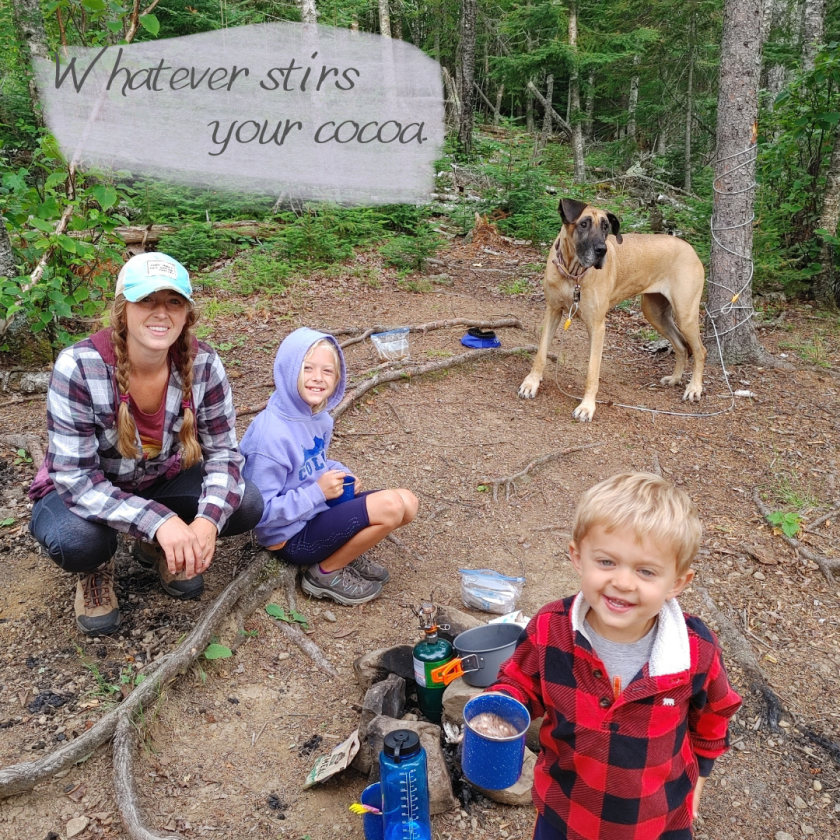
Stirs your cocoa.
Animals
Whatever….
Swats your skeeter.
Calls your loon.
Spots your moose.
Outruns your bear. Just kidding, nobody can outrun bears.
Croaks your toad.
Snaps your turtle.
Mix it up and make up your own! It’s a fun way to go with the flow of camping life.
Do you have an adventure dog? Dogs have been accompanying me on my adventures since I was a kid. What dog wouldn’t love a grand adventure off in the wild? Okay… Maybe not my sister-in-law’s 4 pound Pomeranian, but most others would be ecstatic if they saw the leash come out while you’re packing up. That fluffy pocket-pom might want to take a ride in her pack instead.
Know Before You Go
First things first, check to make sure dogs are allowed where you intend to hike. Most national forests, state or regional parks and recreation areas are dog friendly. On the other hand, there are very few national parks that allow dogs on hiking trails.
Leash Up
Check the regulations at your destination. Odds are if dogs are allowed, leashes are required. Be respectful of this rule, it keeps everyone safe on trail. A dog running loose, especially with a poor recall, can cause chaos on trail. We’ve experienced this far too many times. I spot a loose dog and a hiker not paying attention, then I call out, “Hold your dog!” Usually the response I get is, “Oh, he’s friendly.” Every time I have to shout back that my dog isn’t. Meanwhile, their dog is rapidly approaching my “not so gentle giant” of a Great Dane. It’s absolute nonsense. Please abide by the leash regulation in leash only parks. For some folks, like me, they’ve chosen this park because they have leash only rules.
**Side note- Please don’t let a child walk a dog that can overpower them in an exciting situation. I’ve watched small children walking large dogs let go of the leash or get dragged when the dog sees something it wants.
A retractable leash has no business being on a hiking trail. **Deep breath** They are bulky to hold on to, can cause burns if the line is grabbed while the dog is running, get tangled up easily, doesn’t give the dog clear direction, can injure the dogs neck if stopped abruptly, can be chewed through quickly, allows the dog to get too far from the handler’s reach for protection and inhibits the handler’s ability to give other hikers their space. Did I leave anything out? As a dogwalker, I speak from experience using them and watching others fumble with them. Don’t bring a retractable leash. A 6 foot nylon leash will suffice.
Give Space
Passing other hikers and dogs on trail is a great opportunity for you to practice a “heel” cue with your dog. Give plenty of room to passing two and four legged adventurers.
Loads of people love seeing dogs on trail, but there are a few that would rather not encounter a dog for various reasons. Some have allergies, have their own dog on trail, have a fear of dogs, or are bonkers and don’t like dogs. Weird, I know. Whatever the case, be respectful of others using the trail. If you do encounter an unruly dog or person who appears afraid, step off the trail to allow them more room.
A great way to ensure a successful passing is to get your dogs attention with a treat and place them in a sit while treating them when the other dogs passes. This is great for very friendly dogs who are eager to say “hello,” but are asked not to.
Ask First
This goes for both dogs and people. Asking the handler before petting a dog is common sense. This common sense seems to go out the window when someone else also has their dog out and about. Never assume the other dog is friendly. While there is still plenty of space between the two dogs, ask if their adventure pal is friendly and would like to say “hi” to your dog. If the answer is no, respect them and give them space to pass. If the answer is yes, always take into account the body language of both dogs before letting them play.
I am very grateful to those who respect my Xena’s space. She loves her adventures so much, and it’s always appreciated when we can enjoy them in peace and pass others without incident.
Right of Way
Knowing who has right of way is helpful in being a considerate hiker, with or without a dog.
Hikers with dogs yield to hikers without.
Hikers descending a hill yield to hikers ascending.
Bikers yield to hikers and horses.
Hikers yield to horses.
A proper yield means slowing down, stopping completely if on a bike, and stepping slightly off trail if possible. Calmly make yourself known, especially when approaching from behind.
Gear Up
Packing the appropriate gear is essential for hiking with your pooch. Take into consideration the weather and your dogs size, ability, and medical needs while packing. Is your dog carrying his own pack or is the dog gear doing in your pack. Does she need a coat in the winter or is she fluffy? If she’s fluffy, how will she cool down if she gets hot in the summer? Be sure to check your dog’s packing list before you set out.
Leave No Trace… That Means Poo Too
Follow the “Leave No Trace” principals and bring the poo bags. We don’t clean up bear poop in the woods, so why should we have to clean up dog poop in the woods? Because it’s gross, that’s why. Nobody wants to see a big pile of dog poo on the trail. Bring the baggies and take it out with you. In some cases, such as the Boundary Waters Canoe Area, it can be disposed of in the latrine or buried. DO NOT bury or throw poo bags in the latrine. If you bag it, it must be packed out or tossed in the nearest trash bin.
No digging or destroying trees. Dogs love to dig, make sure you are putting the forest back the way you found it or better yet, preventing your dog from digging it up in the first place. Xena has a hilarious habit of biting trees. She is only allowed to do this on private property, not on public trails or protected wilderness areas, though it is comical to watch.
Shhhh
SQUIRREL! Oh yes, we’ve all experience the mayhem of a squirrel crossing. It’s exciting for sure, but once the excitement is over be sure to hush your puppies. Folks in the wilderness are seeking serenity and a barking dog isn’t it. Be respectful and keep your pup focused and relatively quiet.
Be aware of your surroundings, especially when hiking in areas where there are large animals such as moose, bears, and bison. Give these animals space and keep your dog under control.
Respect Hiking Limits
Dogs come in all shapes, sized and abilities just like people. Your one year-old Siberian Husky will go a lot farther and faster than my 15 year-old Border Collie did at Gooseberry Falls. Learn your dogs limits and abilities and adhere to them, grow their ability slowly. Starting off with short fun hikes and gradually increasing the time, distance, and difficulty will have your pups whipped into shape in no time.
Likewise, respect breed abilities. A lean short-coated dog may not do will with a long winter hike in the mountains and a fluffy heavy-coated dog won’t fair so well in the desert heat. Pay attention to your dogs, they’ll know what they can do they just can’t say it in words.
Take breaks when needed. Not just a physical break but if they’ve been in a “heel” for a long while when passing a crowded area give them a mental break to sniff around once you’ve passed the congestion. It’s important to let a dog sniff their area, it makes them relax and feel more comfortable with their surroundings.
Taking a sniff at the trail head at Charles A. Lindberg State Park, MN.
Know When to Leave Fido at Home
Be watchful of seniors, while they have more experience under their collars, they don’t adjust as quickly and may eventually enjoy the view from home better. Our Border Collie mix, Oreo, went on so many adventures in her 17 years, coast to coast, mountains to desert. In her final years, she slowed down and was content to meander about the trails behind our house. On her last canoe trip to the Boundary Water Canoe Area, I knew it would be her last and I think she knew it too. She soaked in every bit of her adventure, I can still picture her basking in the sun on the warm rocks near camp. She was the best adventure dog and I miss her greatly.
Oreo’s last trip to the BWCA 2016It would be easier to carry her if I were holding a less bulky leash.